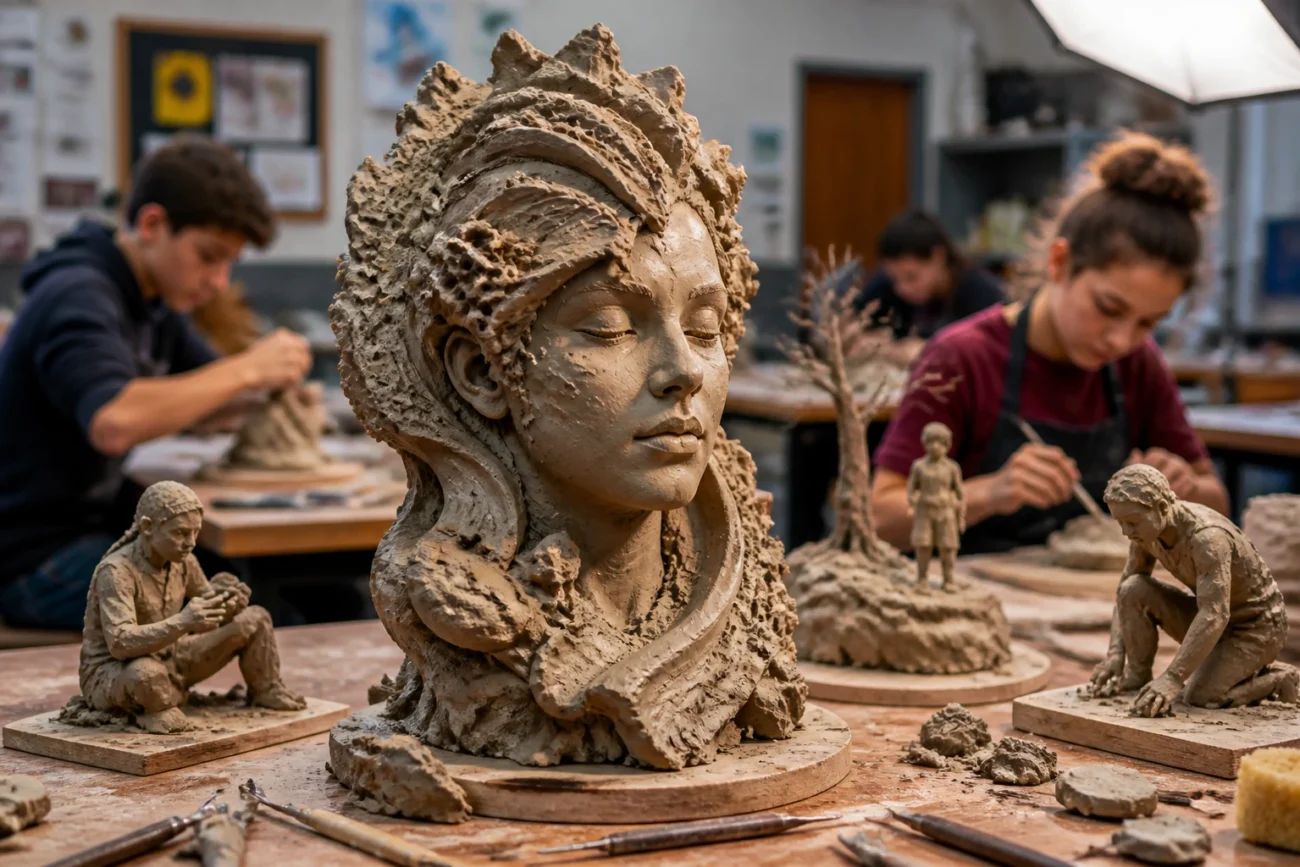
Ready to unleash your inner sculptor and impress the whole class? You’re about to discover ideas that are fun, doable, and totally Instagram-worthy.
These projects push creativity, teach fundamentals, and look amazing on display or in your portfolio. FYI, you’ll want to start right away no matter your skill level.
Grab some clay, a few tools, and let’s dive into ideas that will make you the resident clay master in your art room.
1. Layer Textures Like a Pro
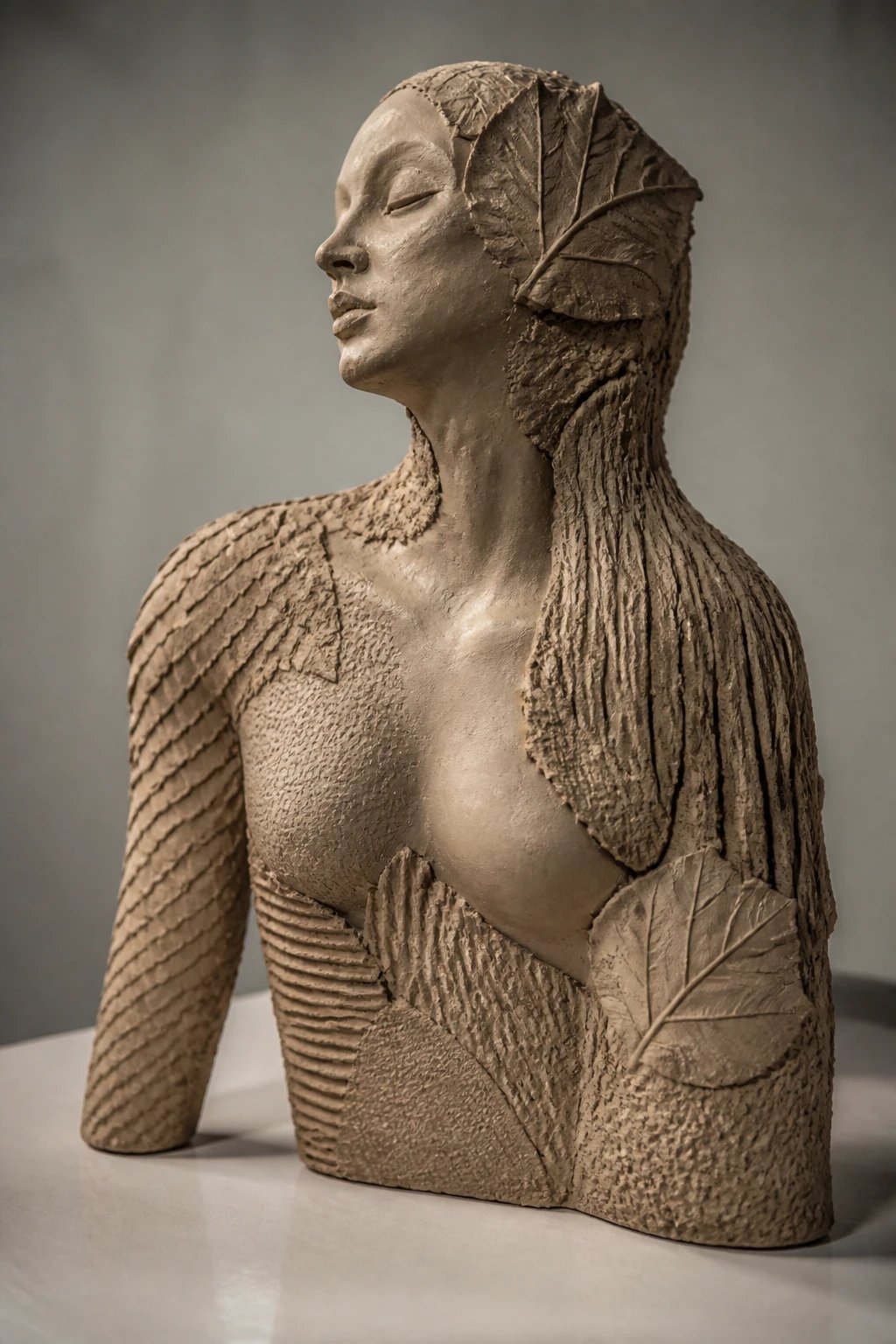
Texture turns a simple sculpture into something tactile and alive. This idea celebrates different surfaces built into one piece.
Key Points:
- Combine smooth skin with rough scaly patches for contrast
- Use scoring and slipping to attach textured pieces securely
- Experiment with imprinting fabrics, leaves, and corrugated cardboard
Start with a basic clay core and build textures around it. The result will pop under lighting and invite viewers to touch (in a safe classroom setting, of course). This is perfect for a portfolio piece or a 3D sketchbook page.
2. Miniature World Diorama Figures
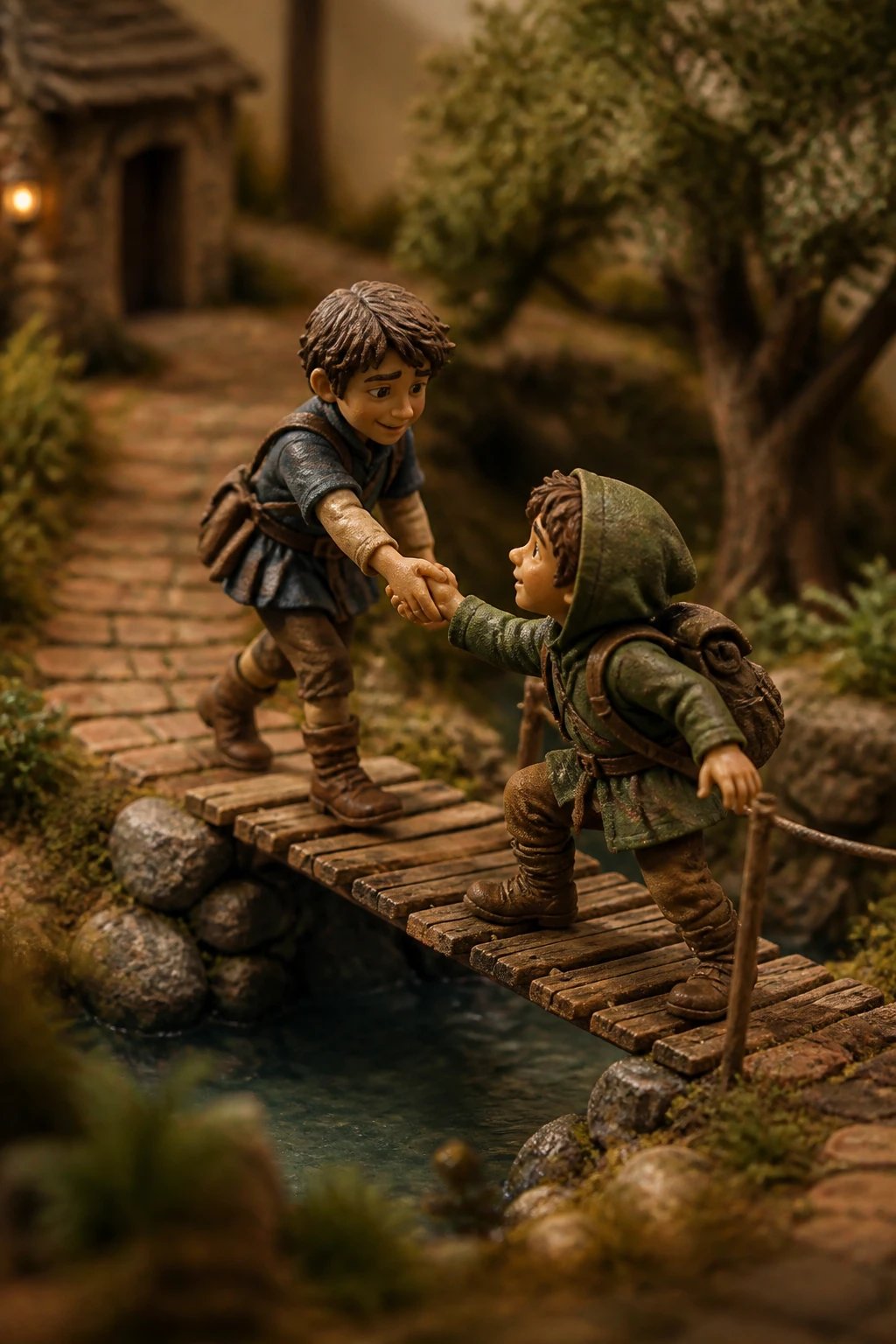
Scale down big ideas into tiny characters that tell a story. This project blends narrative with sculpting finesse.
Why it shines:
- Encourages storytelling through pose and expression
- Easy to break into a series for a class display
- Great practice with proportion and balance
Materials include polymer or air-dry clay and a small diorama base. End with a caption card that explains the scene to viewers who didn’t catch the story at first glance.
3. Whimsical Creature Mashups
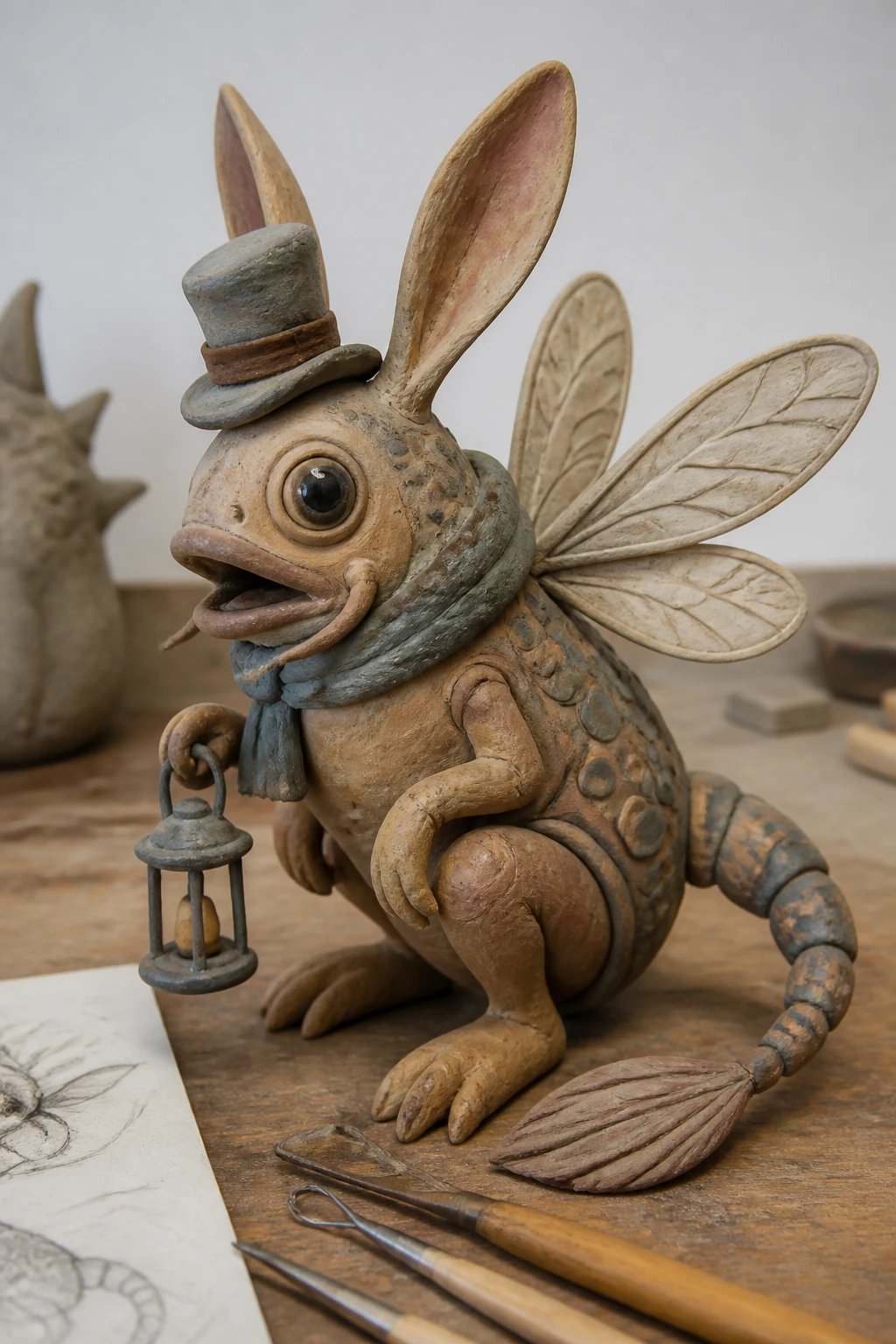
Creativity thrives when you mix the familiar with the fantastical. Create creatures by combining features from different animals or objects.
Tips to nail it:
- Sketch before you sculpt to map the hybrid look
- Use simple shapes as building blocks for stability
- Add quirky accessory elements to give personality
These creatures are excellent for quick-turnaround assignments or as a standout sculpture in a class display case.
4. Busts That Capture Emotion
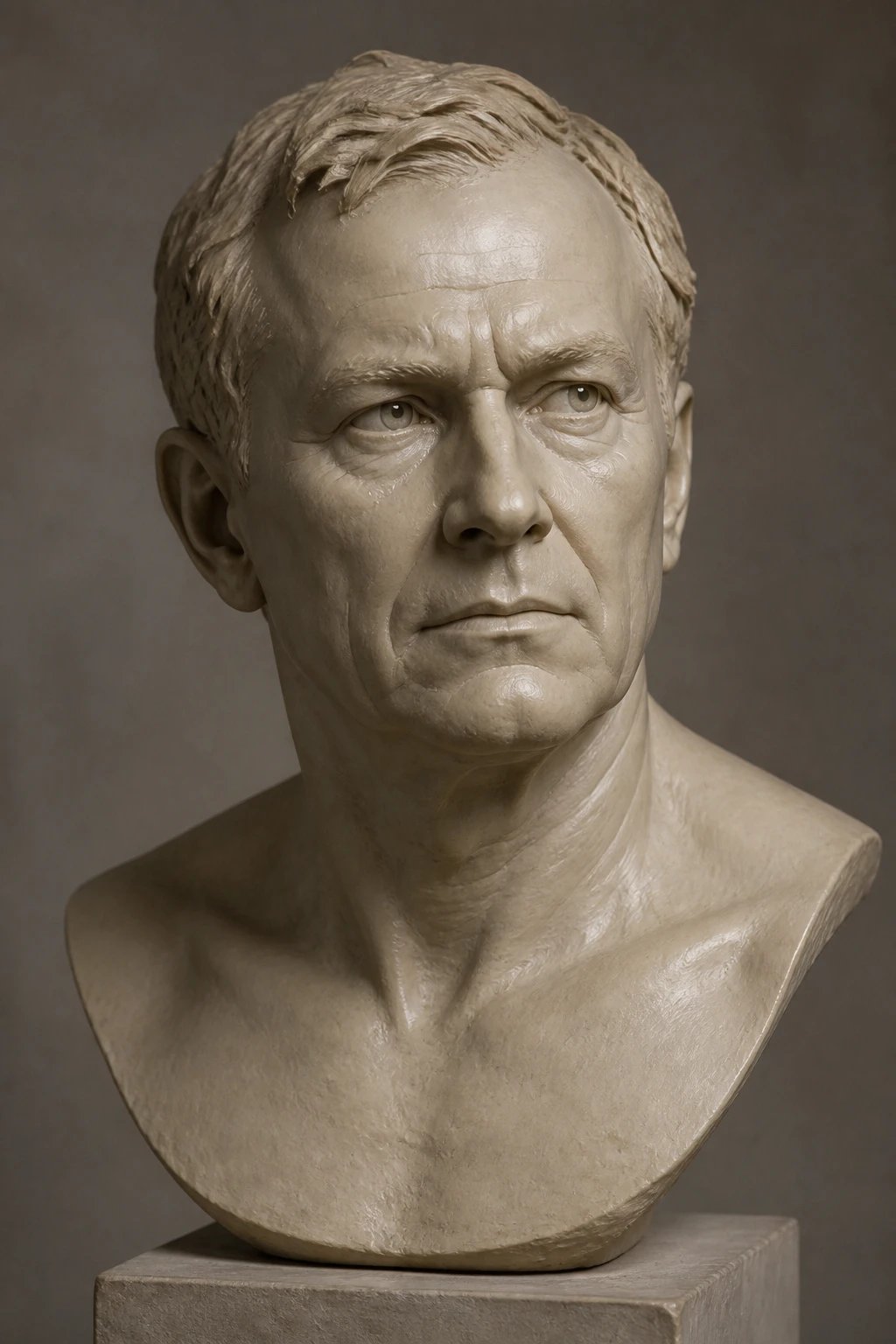
Heads and facial expressions tell powerful stories. A bust focuses on anatomy and expression without needing full figure work.
What to concentrate on:
- Proportions of the head and neck
- Expressive features like eyes, mouth, and brows
- Smooth surfaces for a polished finish
Finish with a light glaze or paint to emphasize light and shadow. This piece works beautifully as a challenge piece for seniors or advanced beginners.
5. Nature-Inspired Leaf Impressions

Nature is endlessly inspiring and easy to replicate with clay. Leaf prints add delicate beauty to a sturdy sculpture.
How to approach it:
- Press real leaves into soft clay and remove carefully
- Fill the negative space with a contrasting clay color
- Smooth edges so the impression reads clearly
Use a neutral base and let the leaf-veined texture be the star. Great for partnering with a botany unit or a seasonal display.
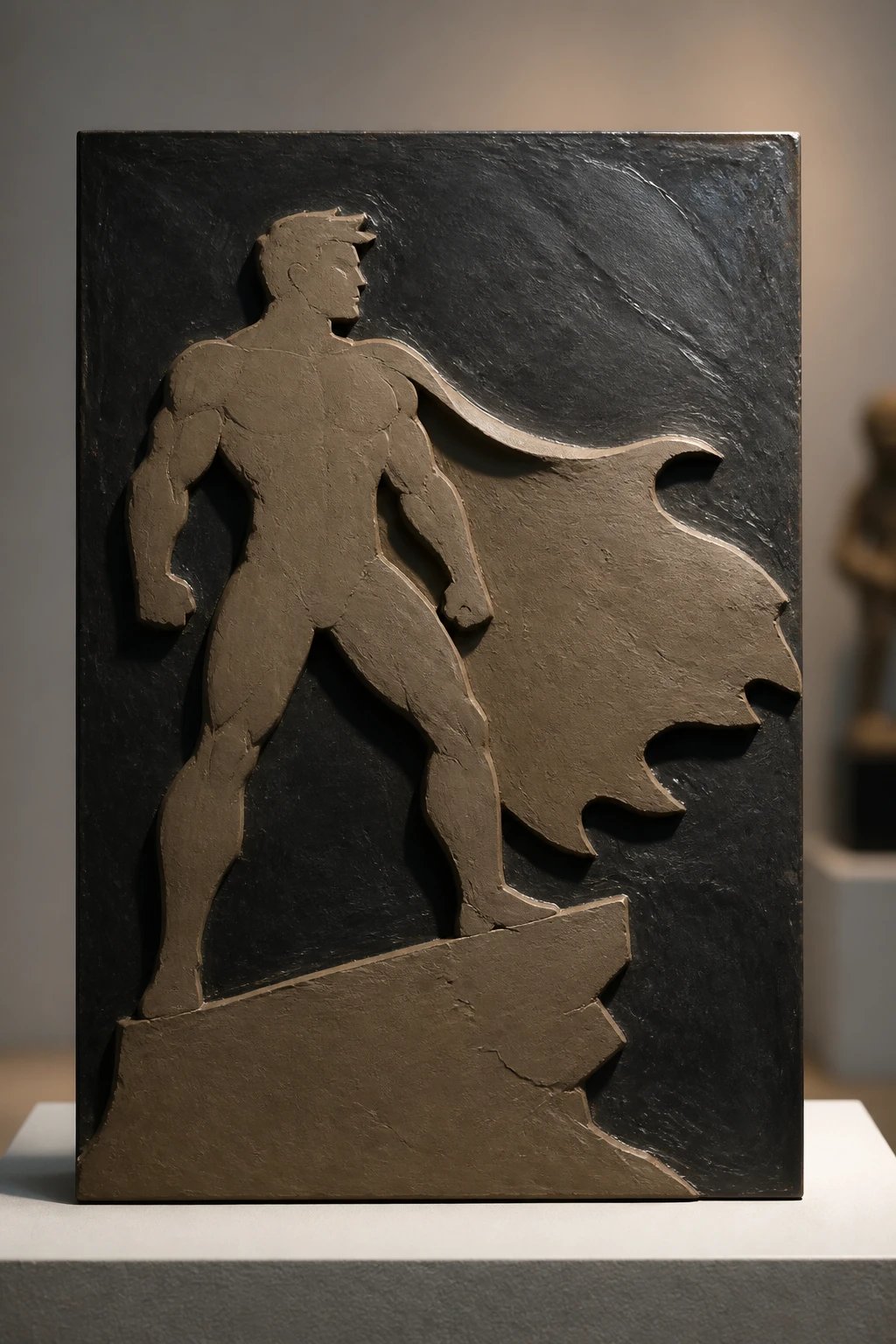
6. Character Silhouettes in Clay
Simplify to amplify. Silhouette relief sculptures can capture dynamic characters without intricate details.
Why this works:
- Sculpt quickly while still looking polished
- Works well with high contrast paint for impact
- Encourages thinking in negative space and outlines
Base an abstract silhouette on a familiar character or create an original hero. It’s perfect for a quick class gallery piece or home display.
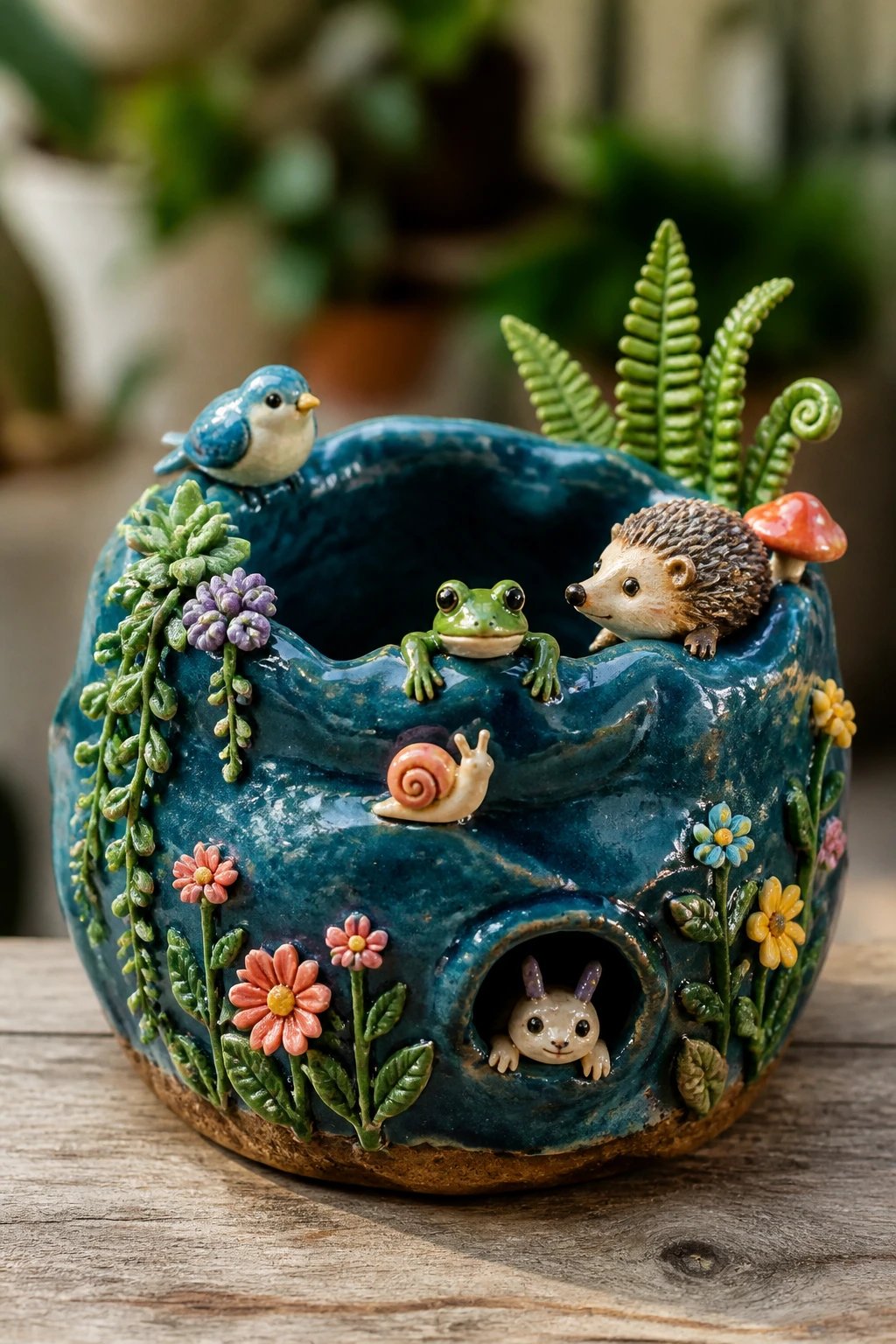
7. Clay Pinch Pot Garden Friends

Start with a traditional pinch pot and breathe personality into it with little friends perched on the rim.
What to add:
- Tiny animals, plants, or whimsical creatures perched on top
- Bright glazes or acrylic paints for bold color pops
- Statement glaze for the pot itself to tie the scene together
These are approachable for beginners and offer lots of room for creative storytelling in a small display. Great as a classroom gallery piece or own desk decor.
8. Abstract Geometric Forms in Motion
Geometry meets sculpture in a dynamic, modern way. Build interlocking shapes that feel like they’re mid-motion.
How to execute:
- Experiment with asymmetry and balance
- Use thin slabs to create angular pieces that cast interesting shadows
- Keep joints visible or deliberately clean for a cool mechanical vibe
This is ideal for a contemporary art unit and looks striking under directed lighting.
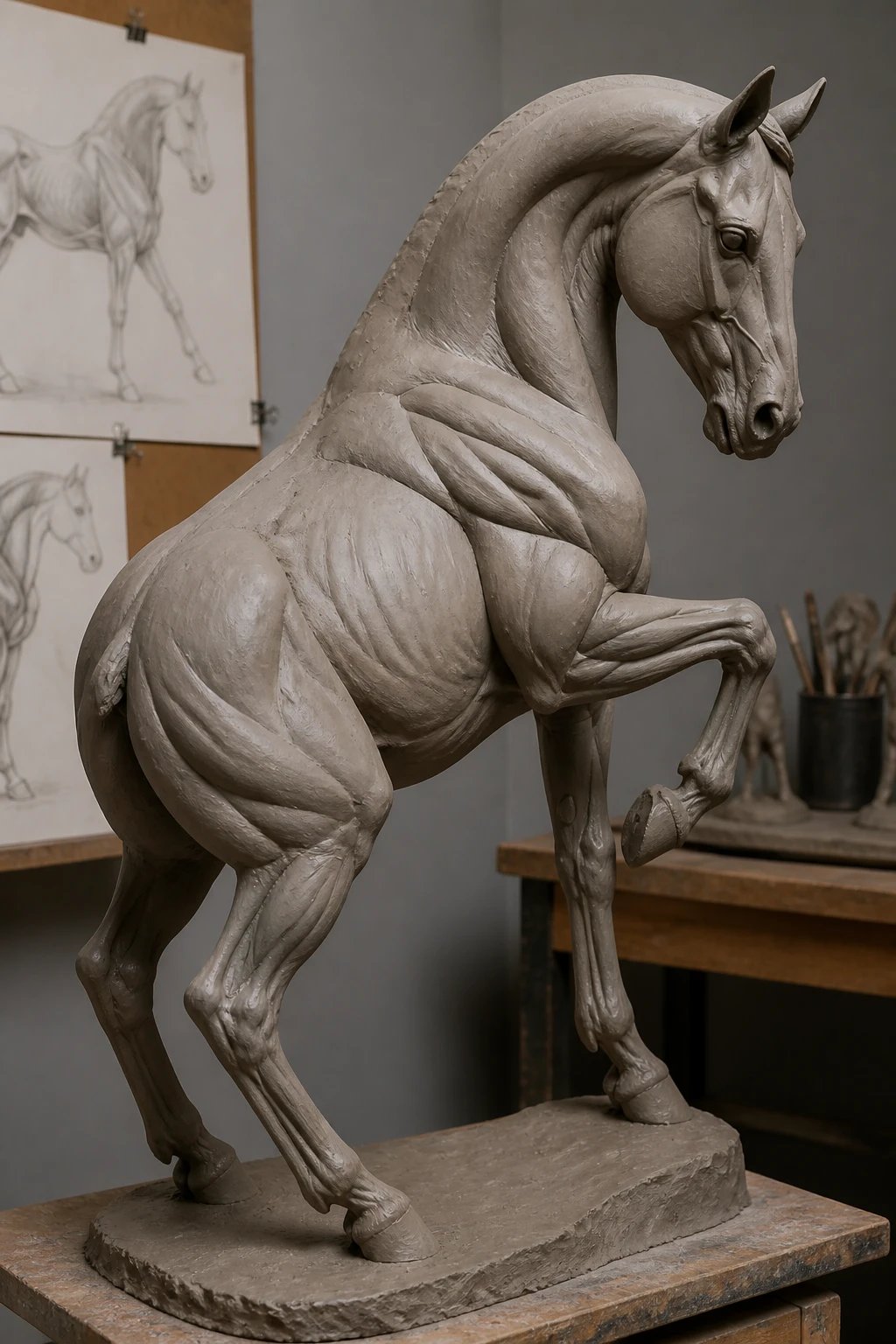
9. Animal Anatomy Studies in Clay
Go beyond cute shapes and study true animal form. A realistic or stylized animal study builds anatomical understanding.
Smart steps:
- Block out major muscle groups before detailing
- Pay attention to joints and hooves, paws, or claws
- Finish with matte or satin glazes to highlight textures
Perfect as an advanced project or as part of a science-art cross-over unit. Students gain both art and biology insights.
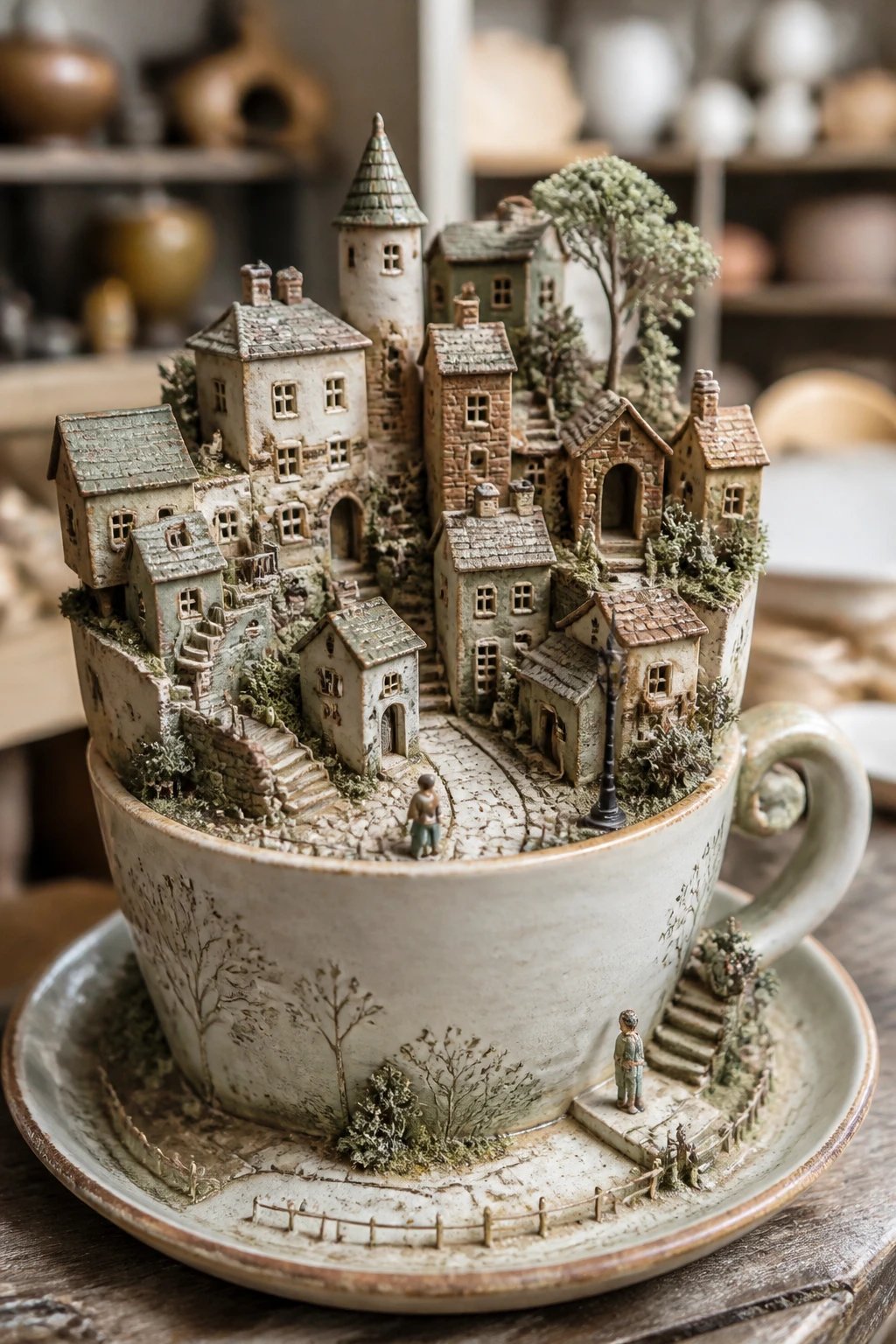
10. Tea Cup Towns and Tiny Buildings
Architecture meets sculpture in a charming miniature world. Tiny buildings sit inside a clay landscape that tells a neighborhood story.
What to remember:
- Keep a consistent scale for all buildings
- Vary textures on walls to imply age and material
- Use underglaze pens for fine details after baking
A whimsical display piece for hallways, art shows, or a classroom project that fosters collaboration.
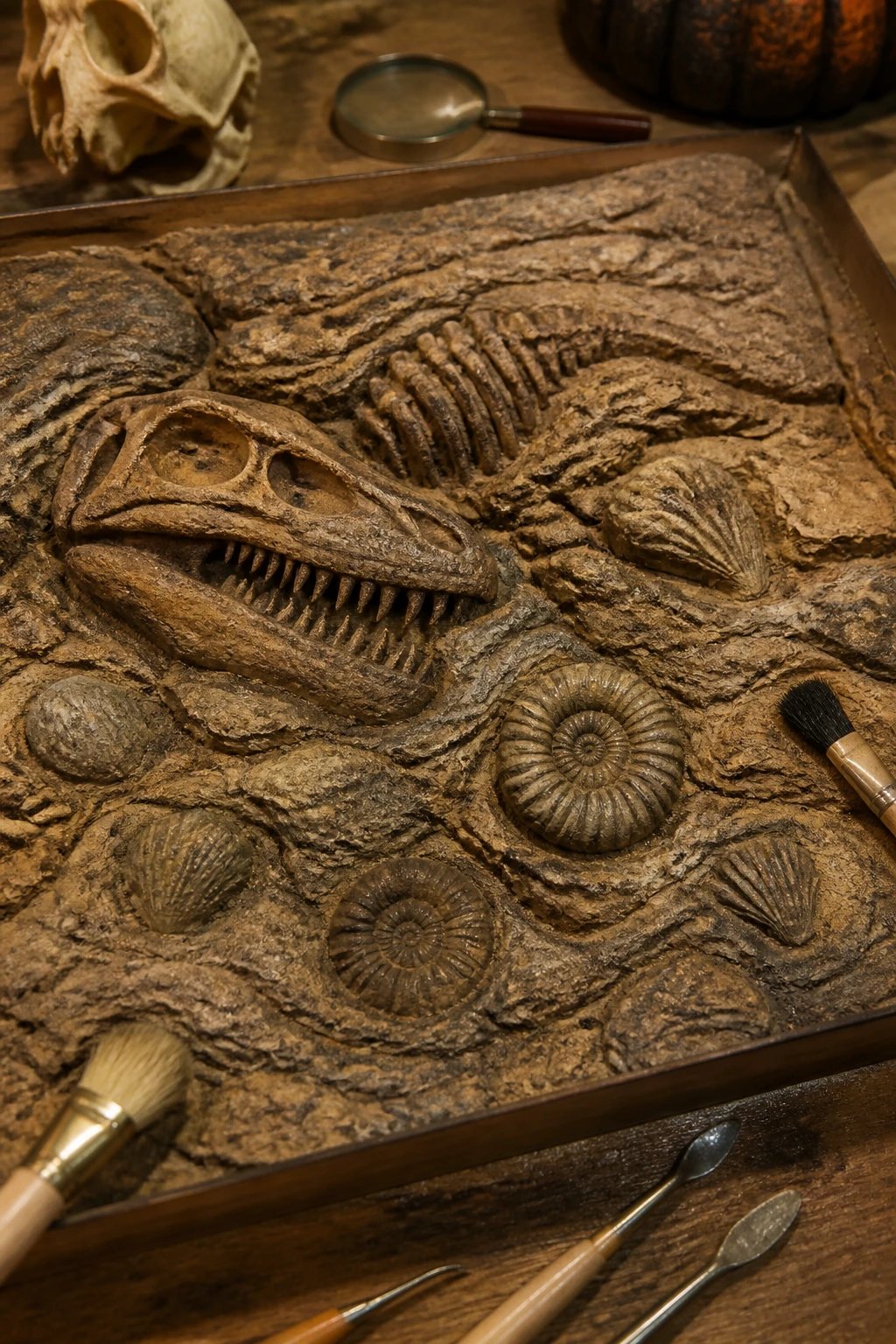
11. Fossil Fossick — Ancient Clay Dig
Unearth history with fossil-inspired textures and shapes. This project feels like a mini dig site in your art room.
Key aspects:
- Layer ridges and impressions to resemble ancient shells or bones
- Use a leathery surface texture to simulate fossilized rock
- Paint with earth tones to complete the look
Fun for a science integration or a Halloween display with a prehistoric vibe.
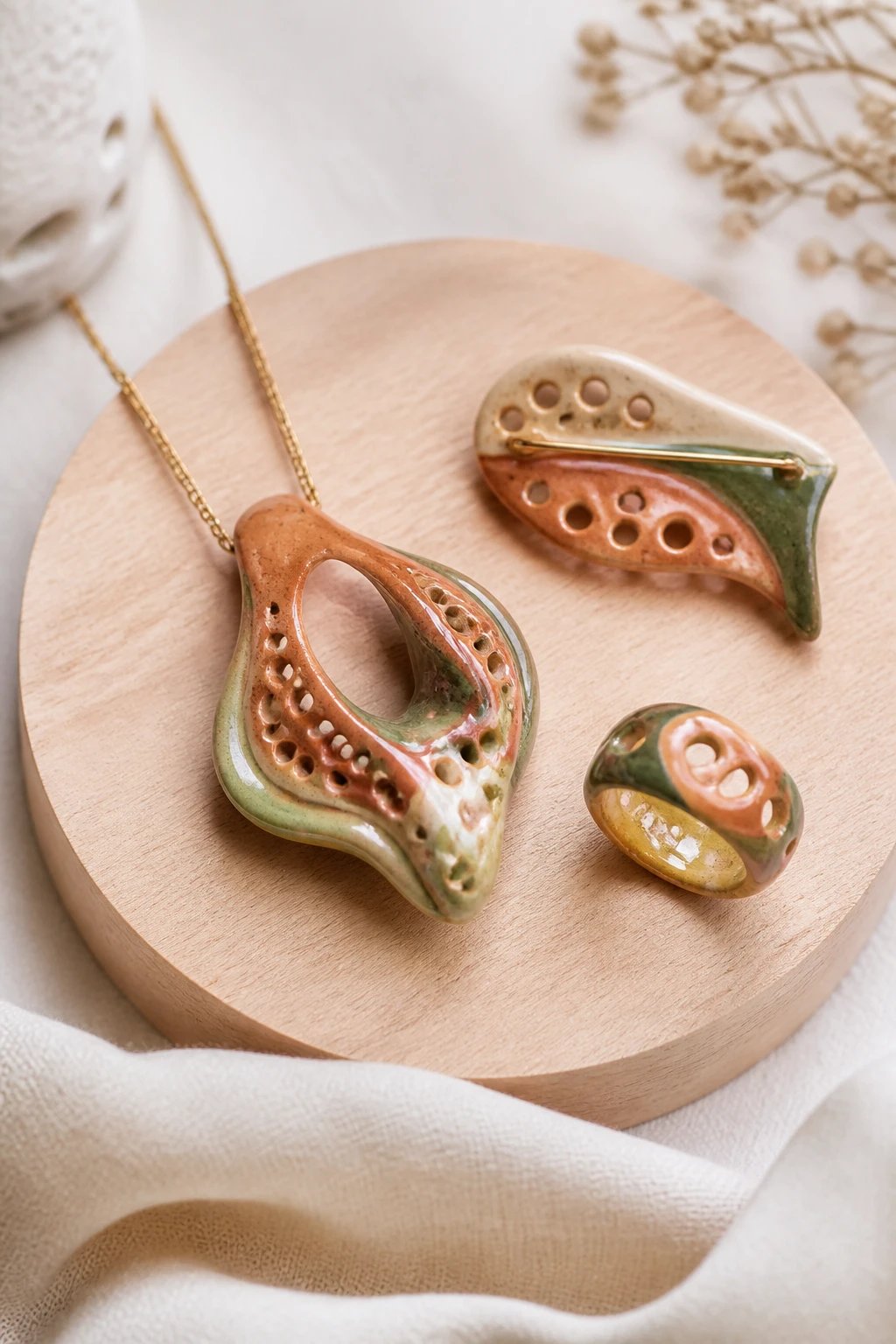
12. Functional Clay Jewelry Sculptures
Turn sculpture into wearable art or decorative accessories. Create sculptural pendants, pins, or rings that double as art pieces.
What to consider:
- Embed a vent for air-dry clay to prevent cracking
- Drill small holes early or use pre-made settings
- Seal with food-safe finishes for wearable items
These pieces translate well to a portfolio or craft fair display and really boost confidence in hand-building skills.
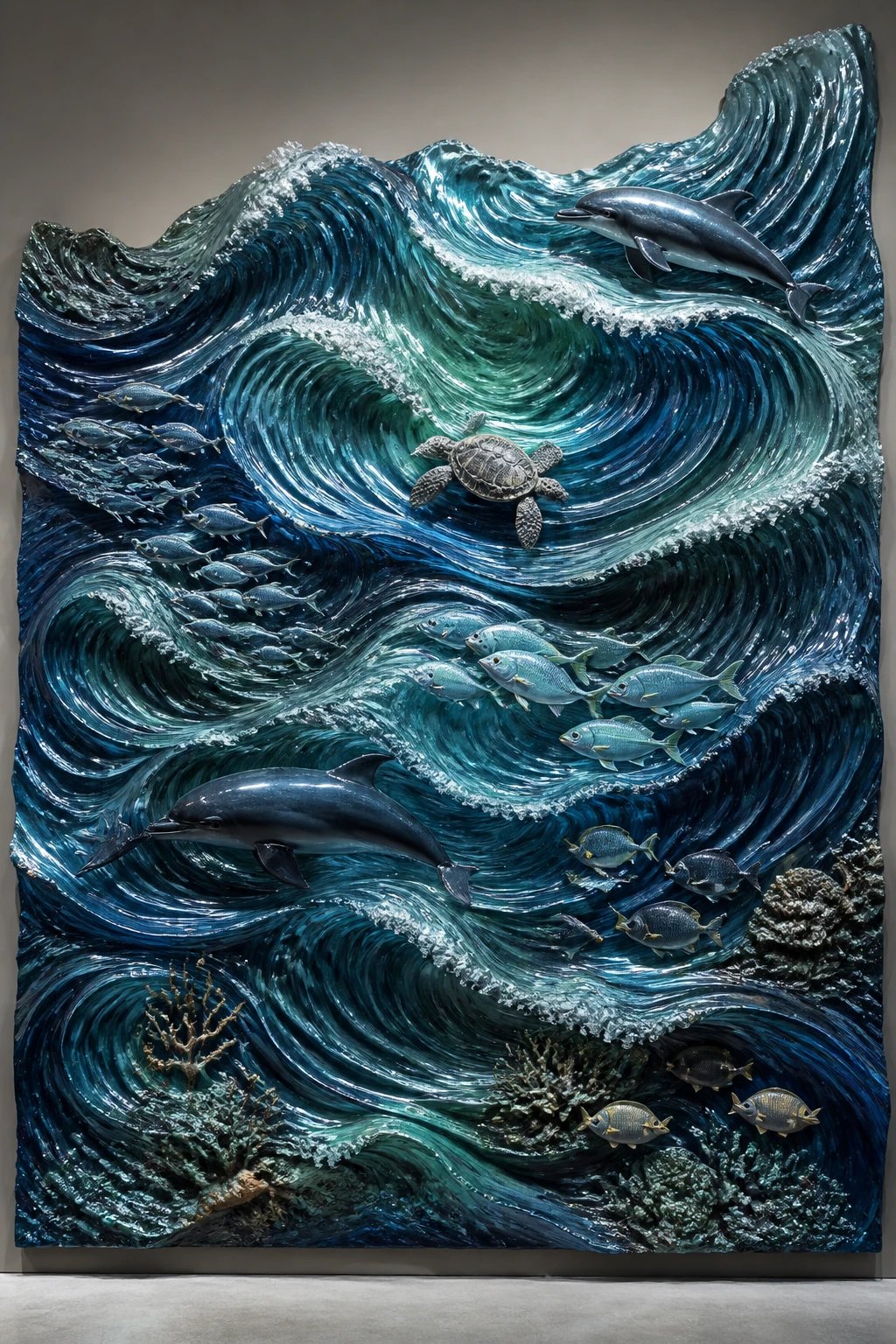
13. Ocean Waves and Sea Life Relief
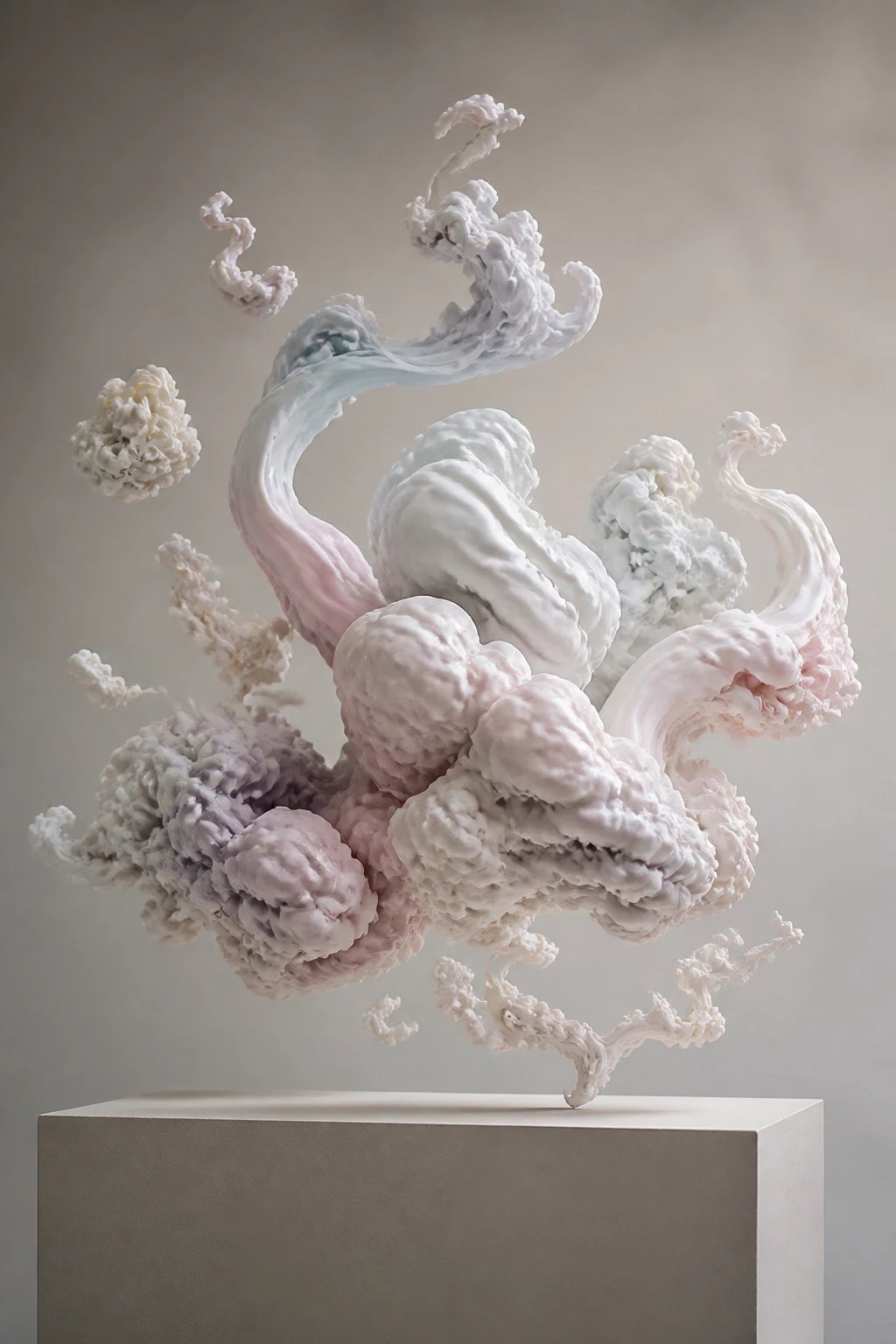
Capture the motion and color of the sea with layered relief sculpture that rises like a six-foot wave on a wall panel.
How to approach it:
- Layer waves at different depths for a 3D effect
- Incorporate sea life silhouettes for focus points
- Finish with glossy glaze to mimic water sheen
Ideal for a dramatic wall piece or a collaborative class mural that tells a marine story.
14. Whipped Cloud Sculpture with Floating Elements
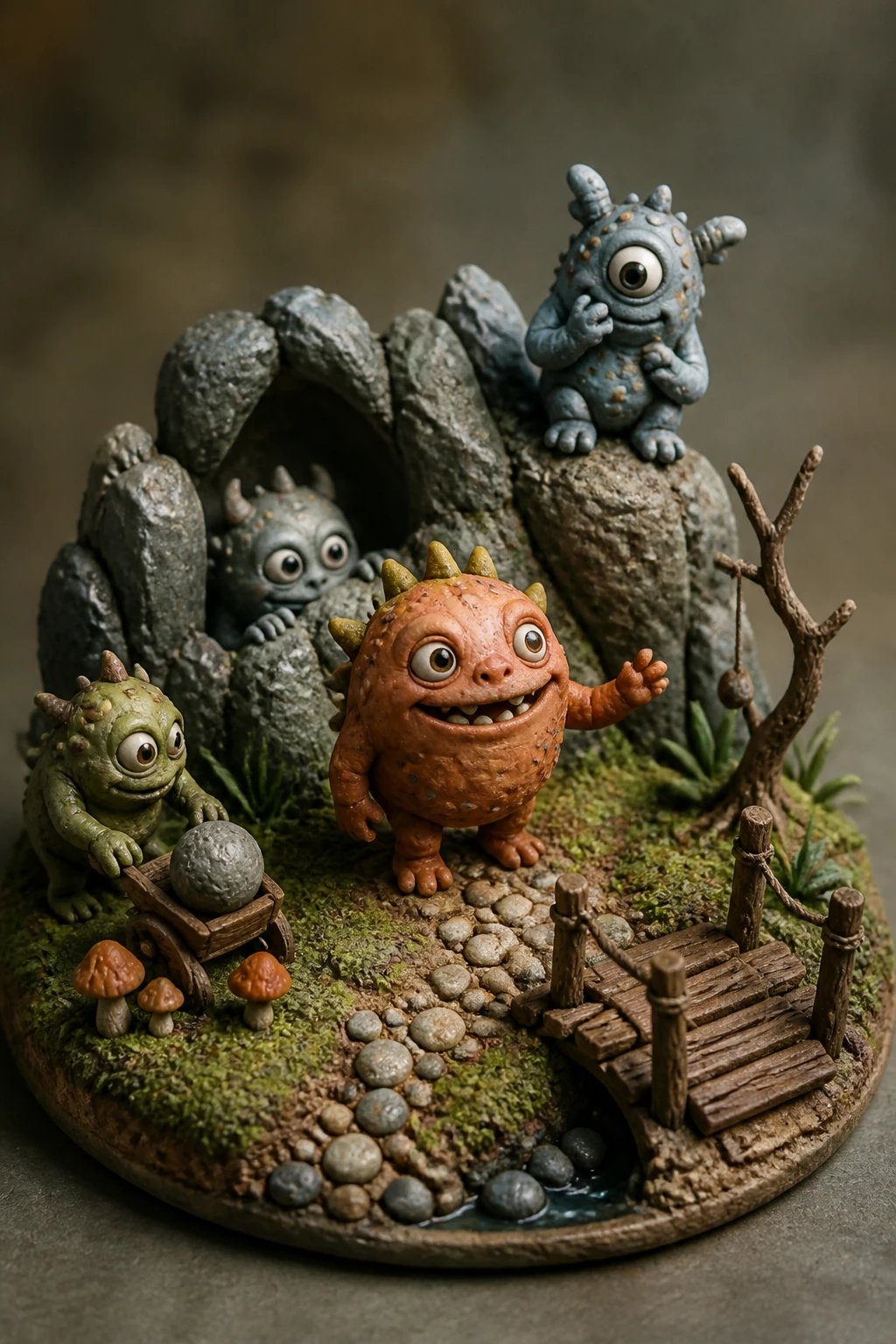
Soft, fluffy forms that seem to drift off the surface. This idea leans into lightness and whimsy.
Tips to achieve it:
- Use tool marks sparingly to keep the cloud texture organic
- Attach floating elements with delicate supports that hide after firing
- Paint with light pastels or white glazes for a celestial look
Wonderful for a dreamlike display or as a comparison piece alongside more solid sculptures in a portfolio.
15. Monster Setup: A Scene in Clay
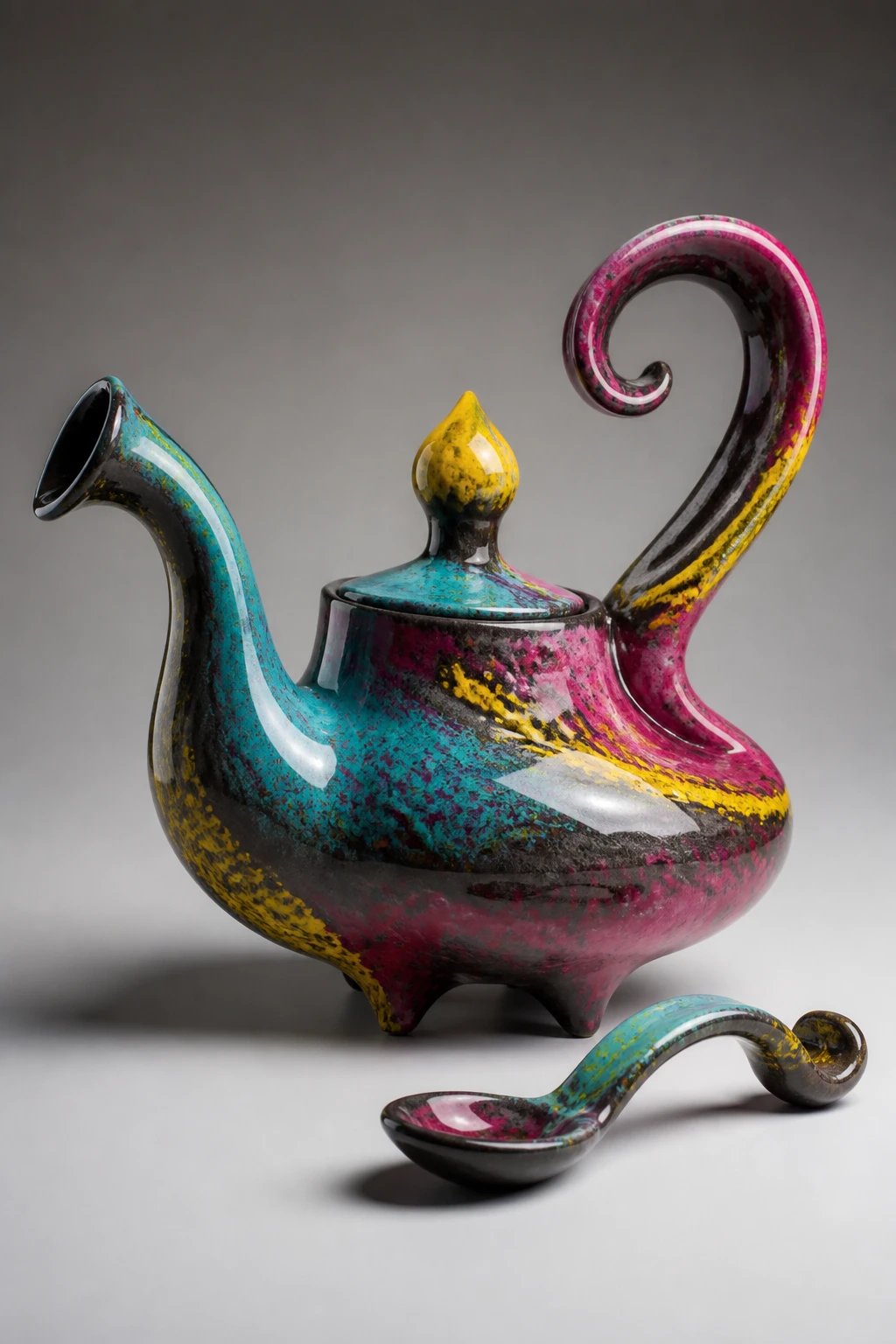
Create a little scene featuring quirky monsters interacting in a tiny habitat. It’s storytelling with sculpting bones.
What to plan:
- Design characters first with personality sketches
- Build a base habitat with terrain, rocks, and props
- Arrange figures to tell a humorous or dramatic moment
Great for a classroom display or a year-end portfolio piece that shows composition and character design skills.
16. Everyday Objects Reimagined
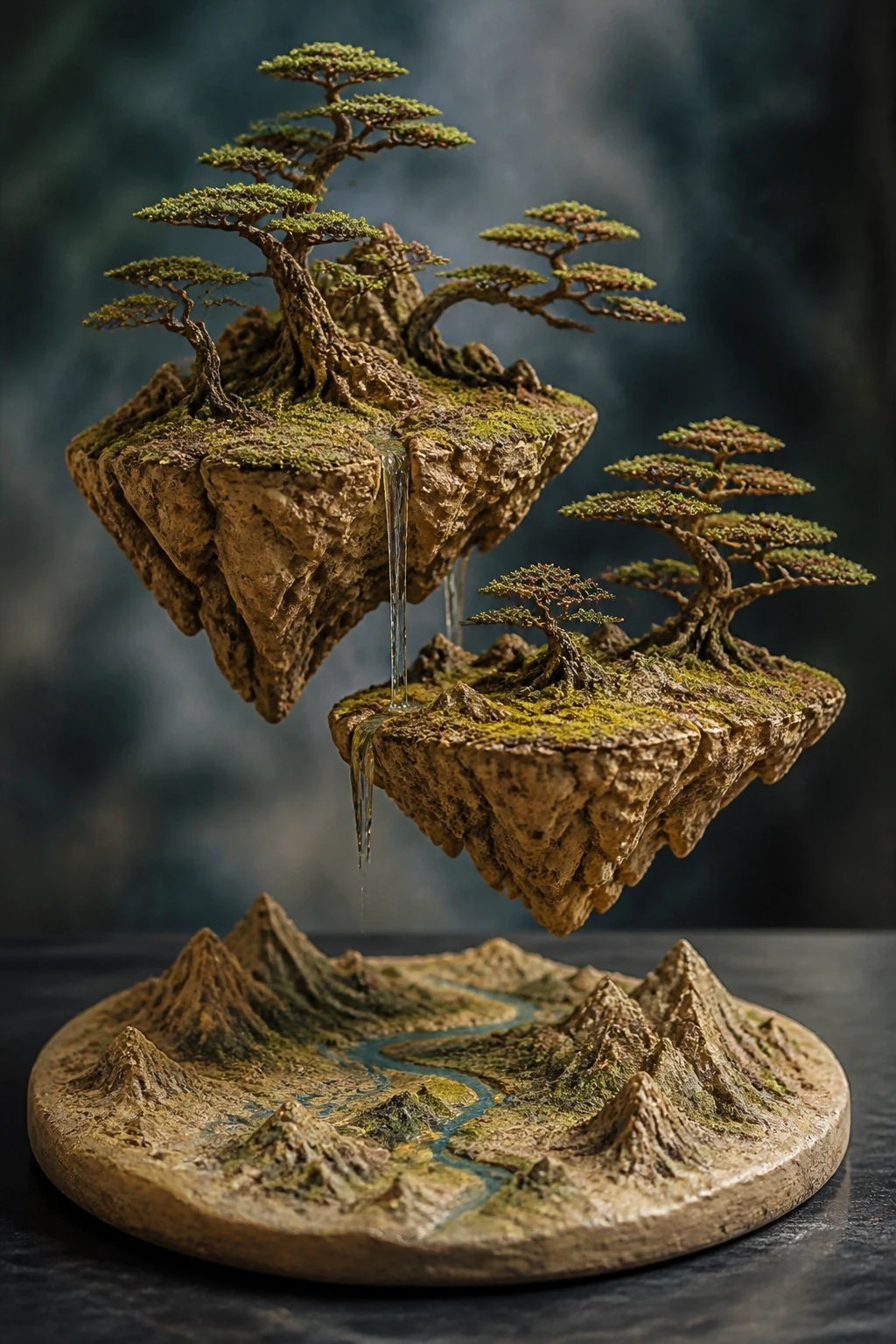
Take familiar items and give them a sculptural twist. Elevate the ordinary to celebrate creativity.
Approach:
- Sculpt a teapot with exaggerated curves or a spoon that bends into a new shape
- Play with scale to surprise viewers
- Use glaze colors that clash for a bold effect
Perfect for a pop-art inspired gallery wall or as a playful way to practice sculpting fundamentals.
17. Floating Islands in a Clay Landscape
Bring fantasy into reality with mini floating islands that hover above a base landscape. It feels magical and immersive.
What to include:
- Thin air between island and base for the illusion of flight
- Layered textures for trees, water, and rock
- Soft, atmospheric painting to complete the scene
Use as a dramatic centerpiece or a standout piece in a sculpture display. Seriously impressive.
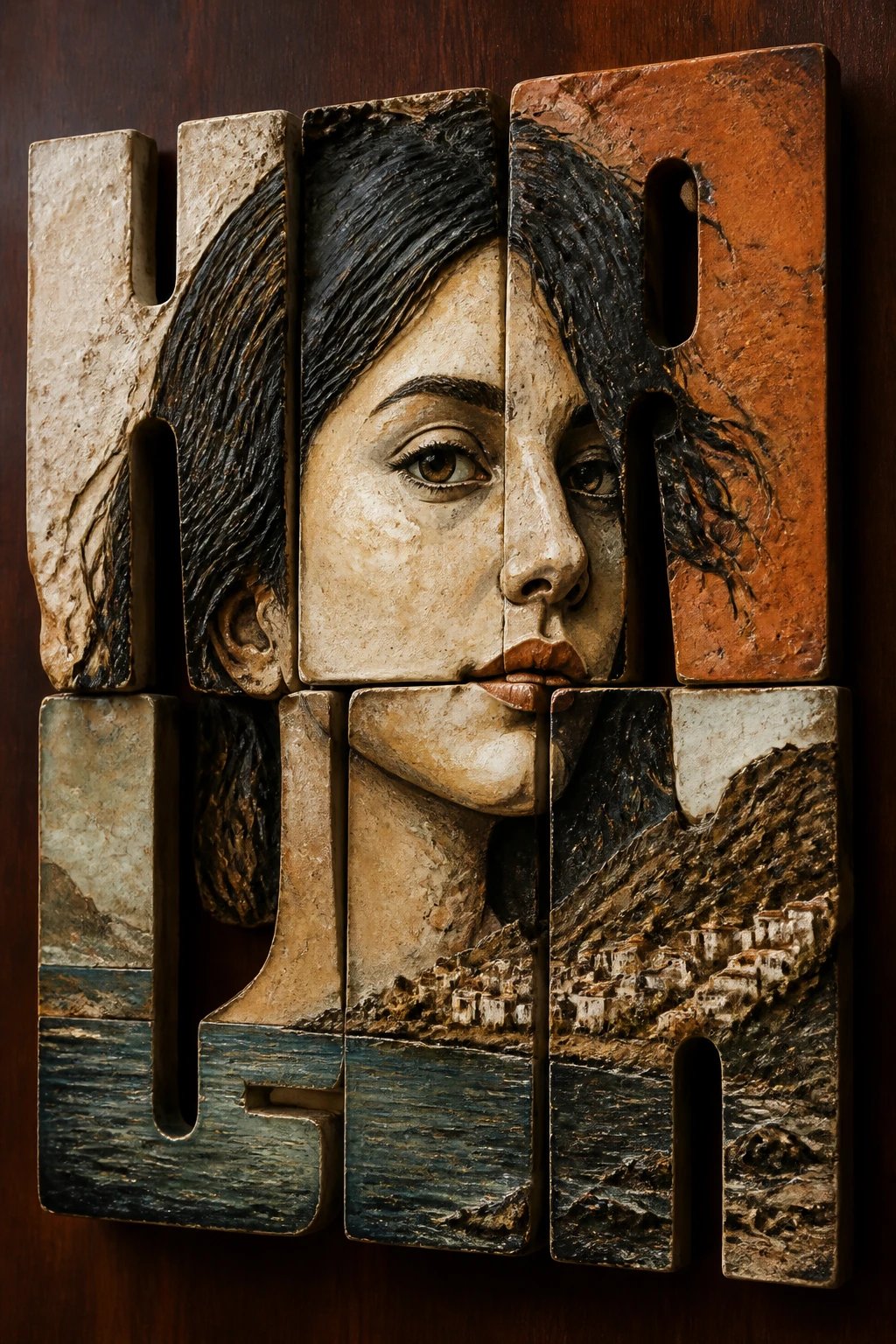
18. Ceramic Letterblock Portraits

Turn typography into texture by sculpting letters that spell a name and adding a portrait or scene on or around the letters.
Key ideas:
- Rough textural contrast between letters and portrait areas
- Paint or glaze to reinforce the letter shapes and facial features
- Mount on a wood backing for display readiness
These are bold, expressive, and perfecto for a senior year project or creative class gallery wall.
19. Interactive Clay Puzzle Sculpture
End on a high note with a sculpture that doubles as a puzzle. It challenges minds and hands alike.
What to build:
- Interlocking pieces with a visible mechanism
- Hidden magnets or pegs to hold segments in place
- Bright glaze colors to differentiate parts
This project fosters problem solving, collaboration, and a truly satisfying reveal when the pieces click together. A playful way to wrap a unit.
These 19 ideas give you a toolbox of textures, scales, narratives, and techniques you can mix and match. Trust me, your art room is about to get a serious upgrade.
Ready to dive in or want a personal tweak to fit your class? IMO, start with one project that mirrors your interests and layer in variations. You’ve got this and your future gallery wall will thank you.
