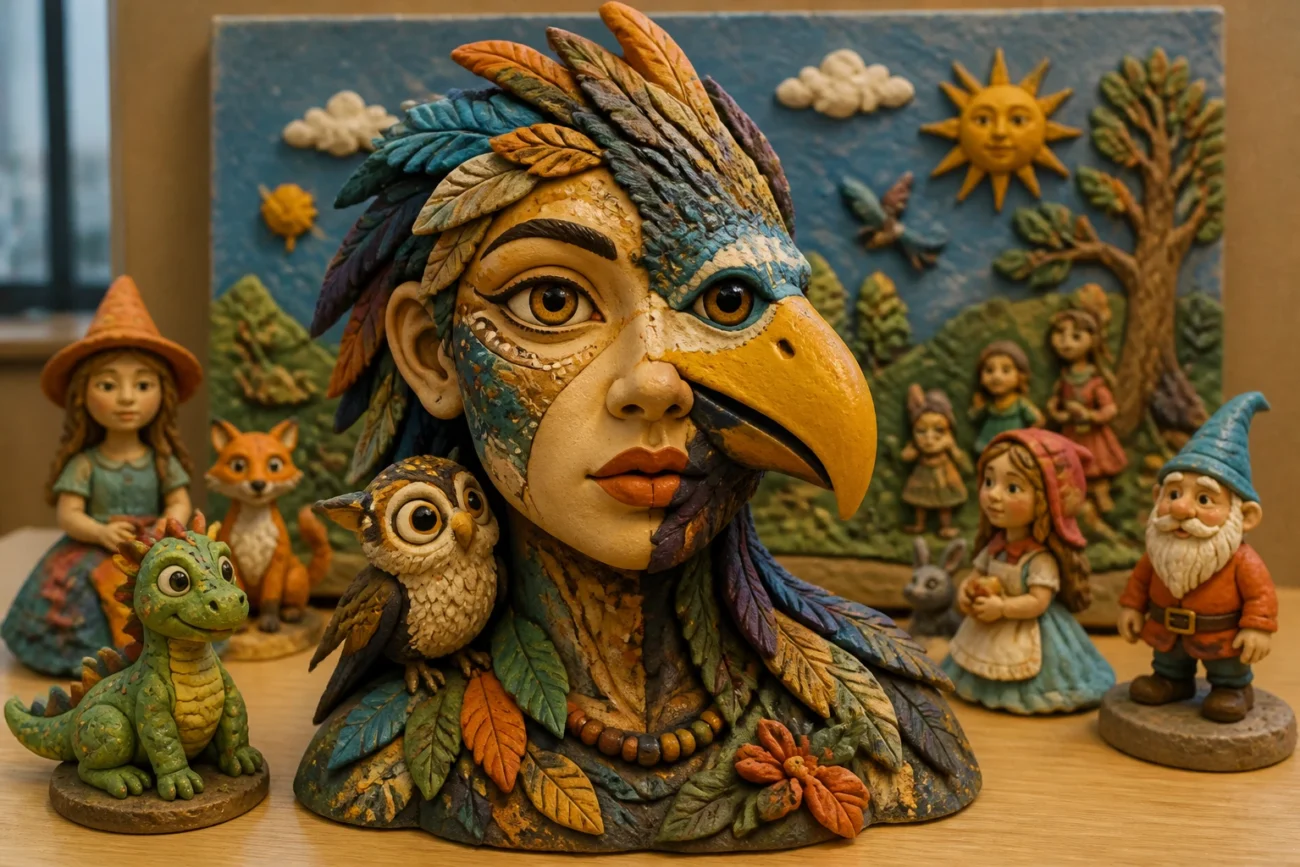
Stuck on what to mold next with your class or your own kids? You’re in the right place and we’re about to have serious fun with clay.
These ideas turn boring clay into showstoppers that are easy to level up with paint, texture, and a sprinkle of imagination.
Stay with me and you’ll leave with a map of projects that kids actually want to make and display
1. Layered Animal Portraits with Expressive Features
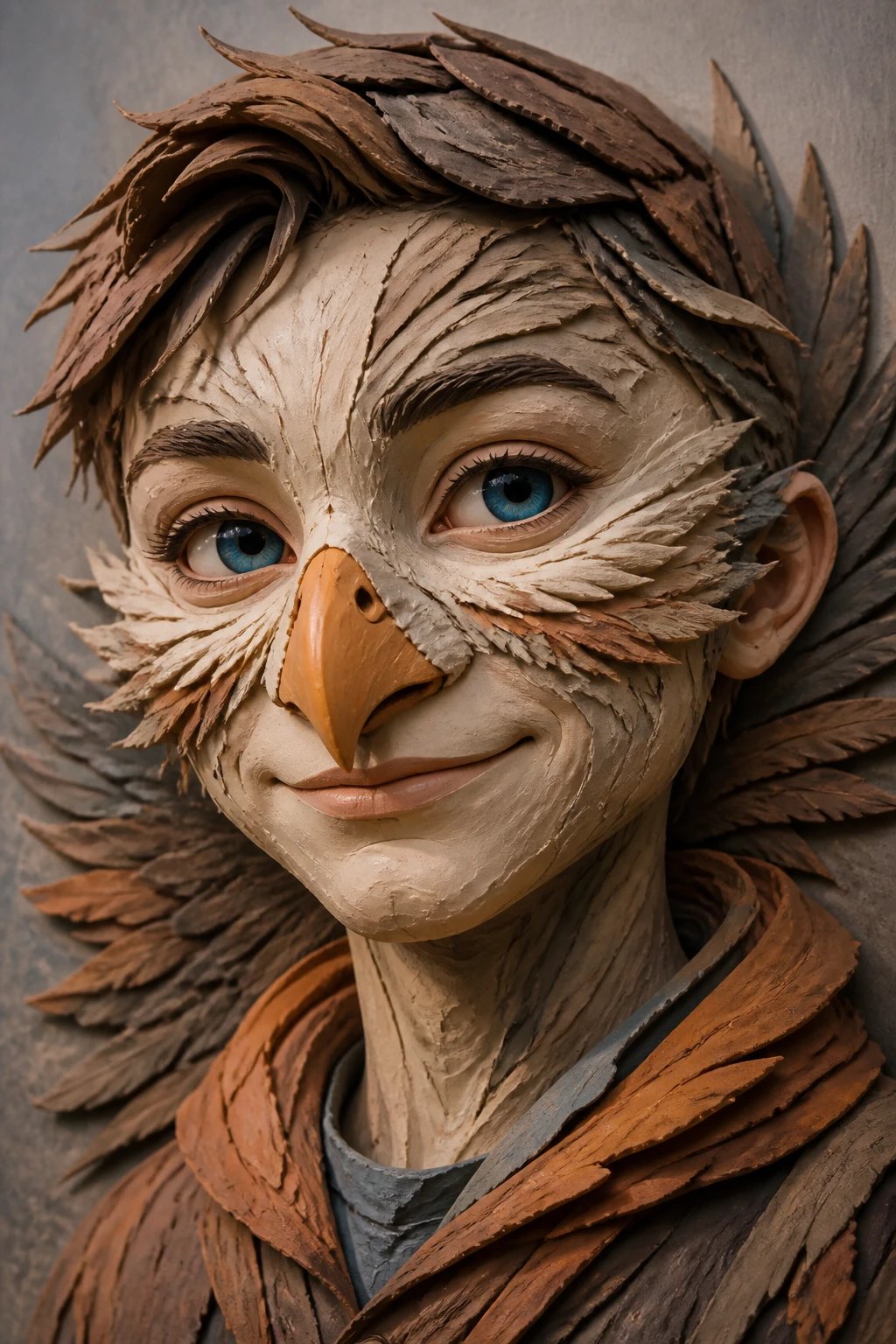
Imagine a portrait where the animal and the human vibe collide. Clay lets you layer shapes and textures for big personality.
Why this rocks: it develops observation, proportion, and character design in one go. Plus the results are adorable for display walls.
Tips to shine: keep a few bold colors for the eyes and beak or snout to make characters pop. FYI, contrast is your best friend here.
2. Miniature Fairy Tales: Storybook Characters
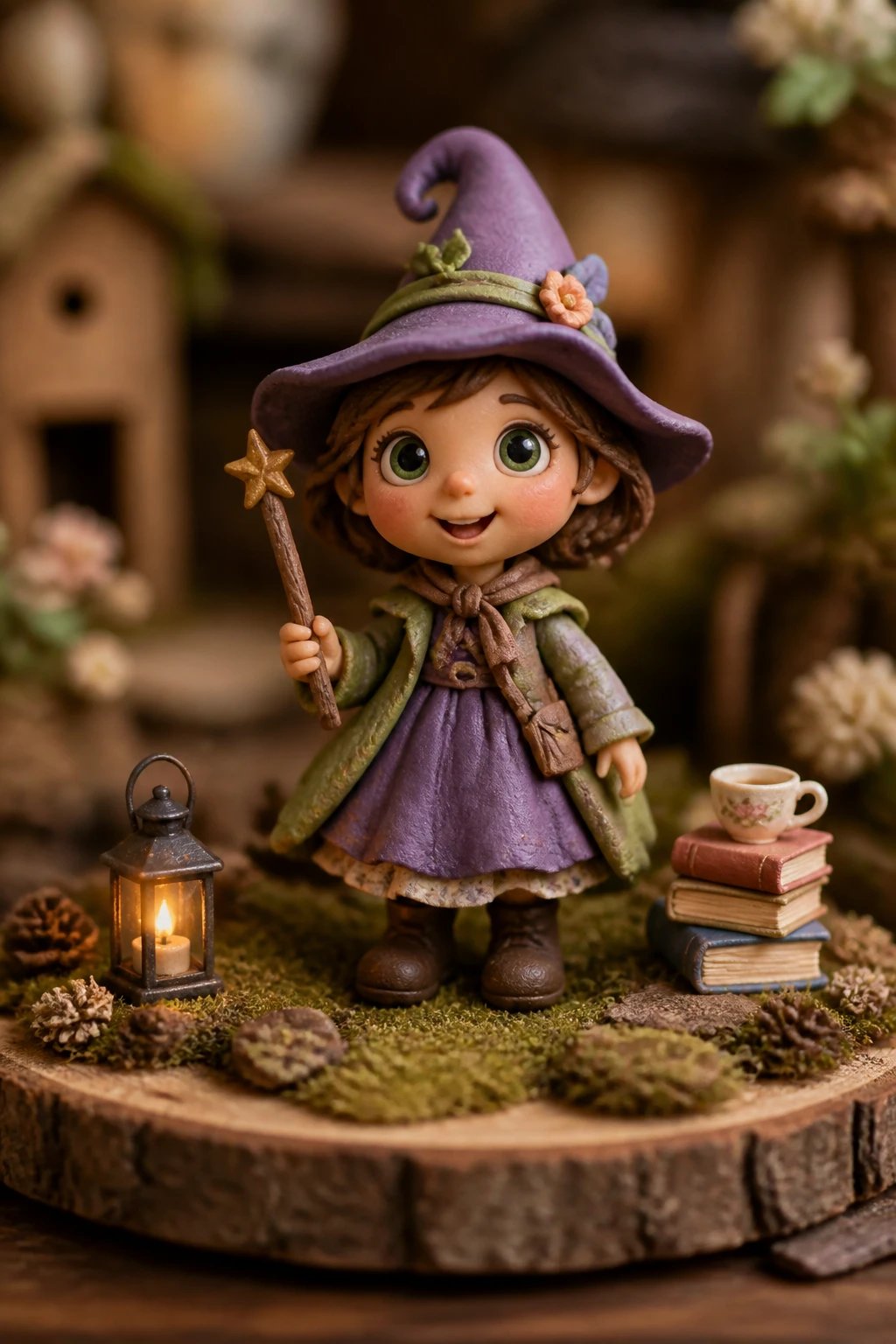
Bring favorite stories to life with toy-like figures that tell a tiny narrative. Kids love gifting these to friends or parents.
What to focus on: exaggerate features that hint at personality, like big smiles or quirky hats.
Materials at a glance: clay, small found objects for props, and a simple display board to stage a little vignette
3. Conceptual Relief Panels: Emotions in Clay
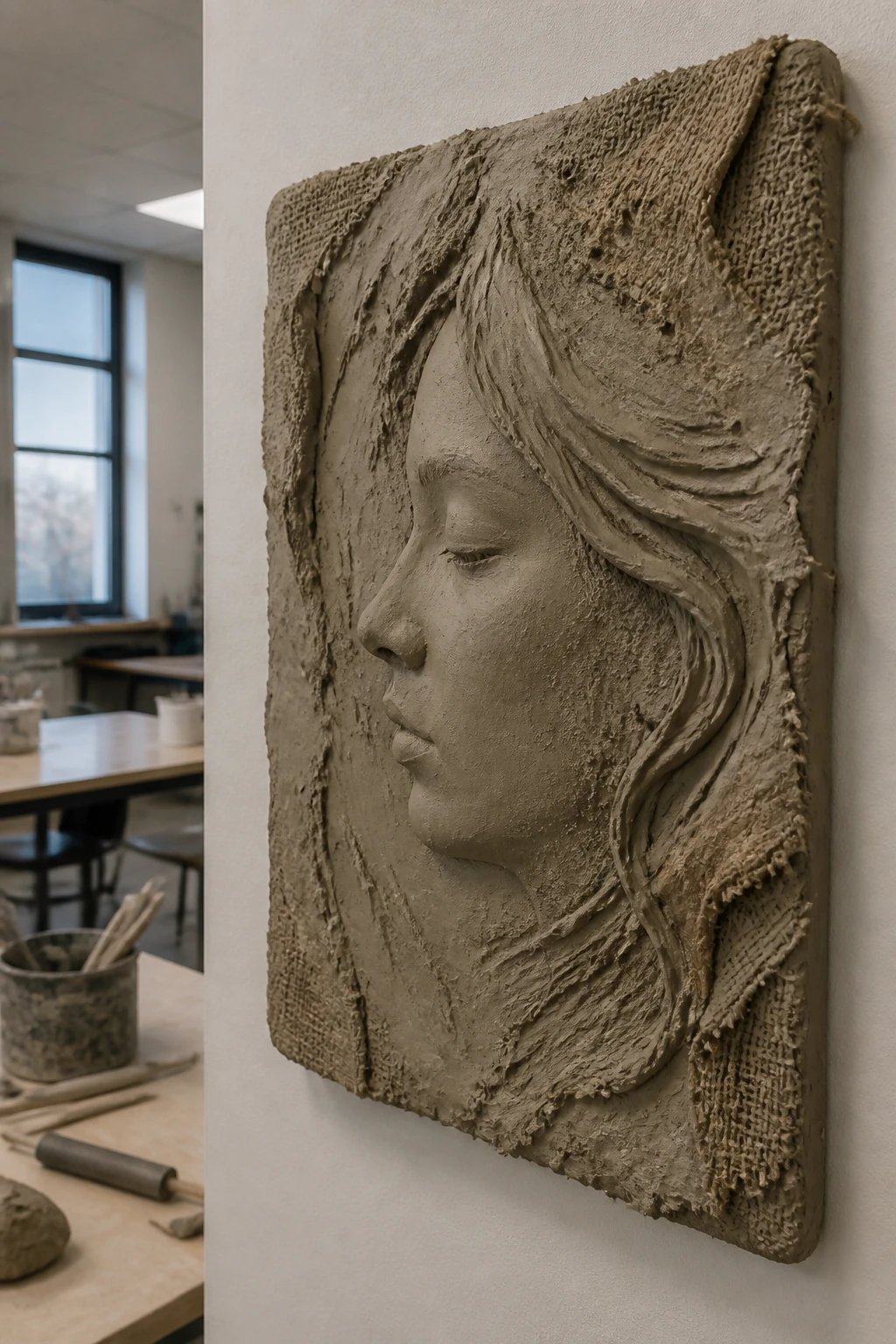
Turn feelings into texture and form by creating relief sculptures that show a mood through surface design.
Why it matters: students explore symbolism and storytelling through tactile art rather than just color.
Key points: use shallow relief for beginners and build up texture gradually. You can add fabric scraps or sand for texture variety
4. Layered Mandalas with Natural Elements

Mandala inspired pieces help students focus on symmetry and pattern while staying accessible.
What to include: a central motif, repeating rings, and small raised details for depth
Benefits: improves fine motor skills and concentration, plus the finished piece looks stunning on a wall
5. Whimsical Creature Hybrids
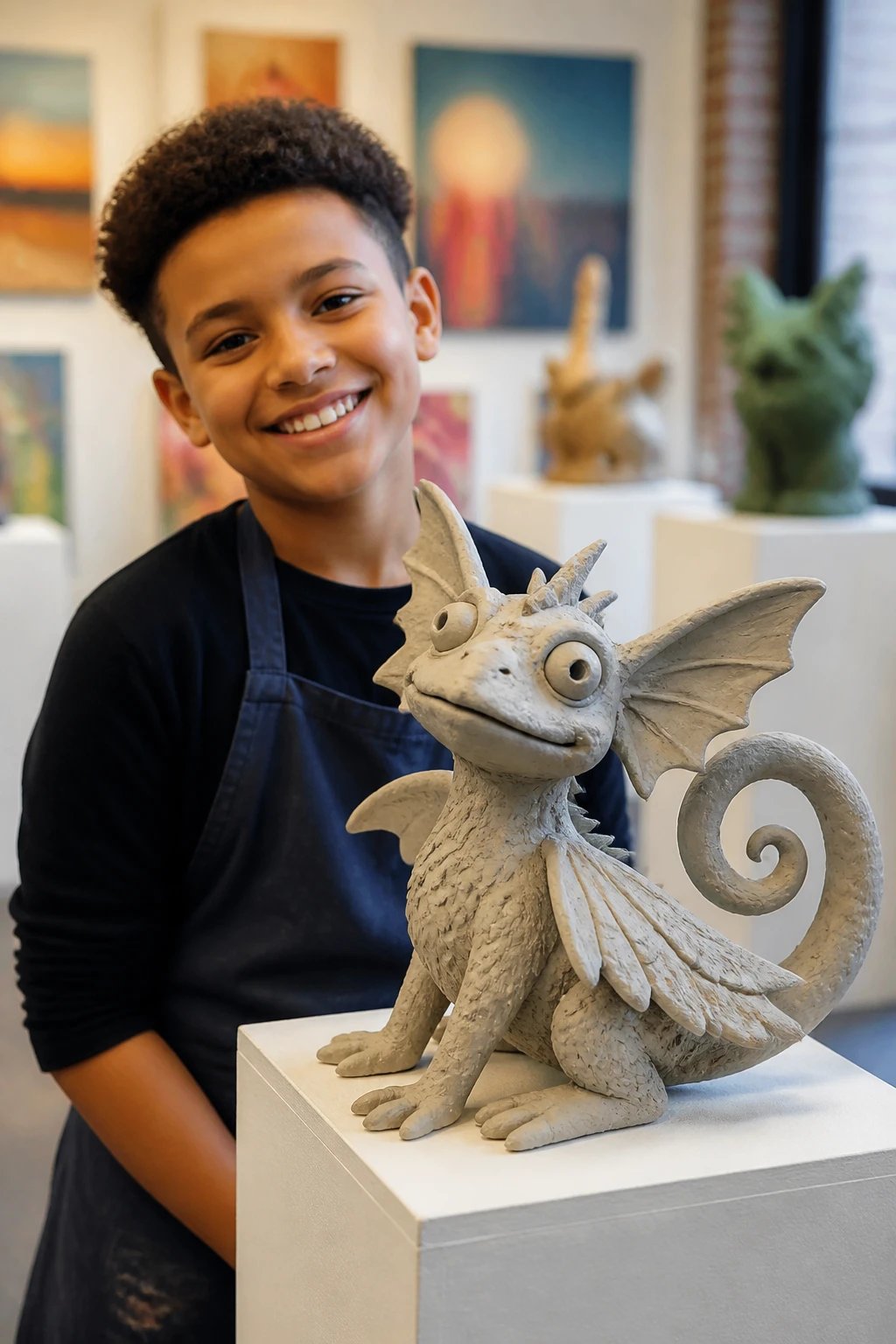
Mix and match animal parts to invent playful hybrids with silly personalities. These are perfect for gallery walks and humor.
Why it sticks: kids love designing quirks, and the clay holds these shapes firmly so you can paint later without worry
Pro tip: sketch quick thumbnails first and decide which parts will be the strongest feature
6. Mini Architecture: Clay Buildings with Texture
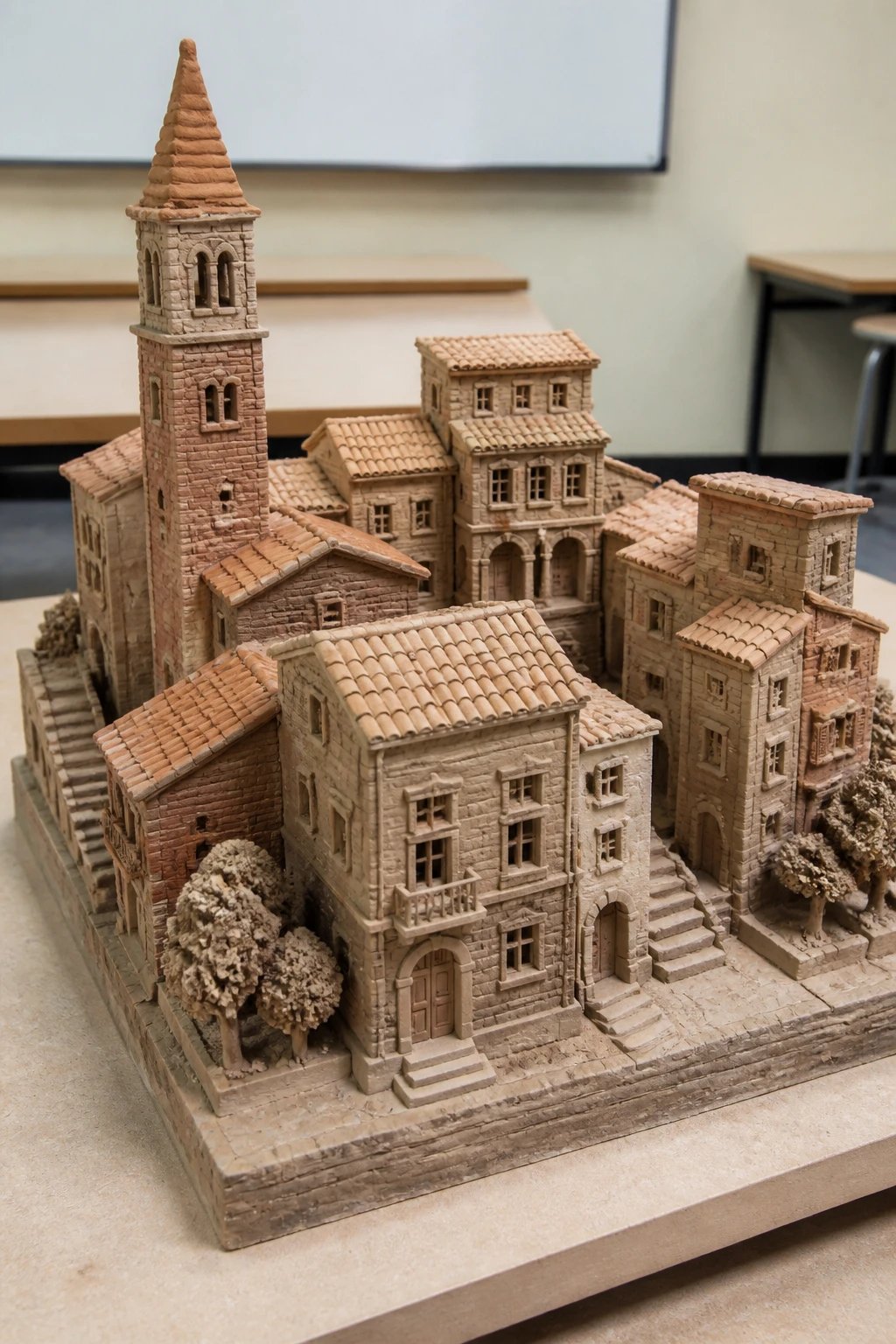
Turn classroom tables into a tiny city with clay buildings that feature brick, tile, and window textures.
What to nail: clean lines for structure and rough textures for surfaces to mimic real materials
Quick note: use a toothpick tool for crisp edges and consider a small base so pieces stay sturdy
7. Character Portrait Medallions
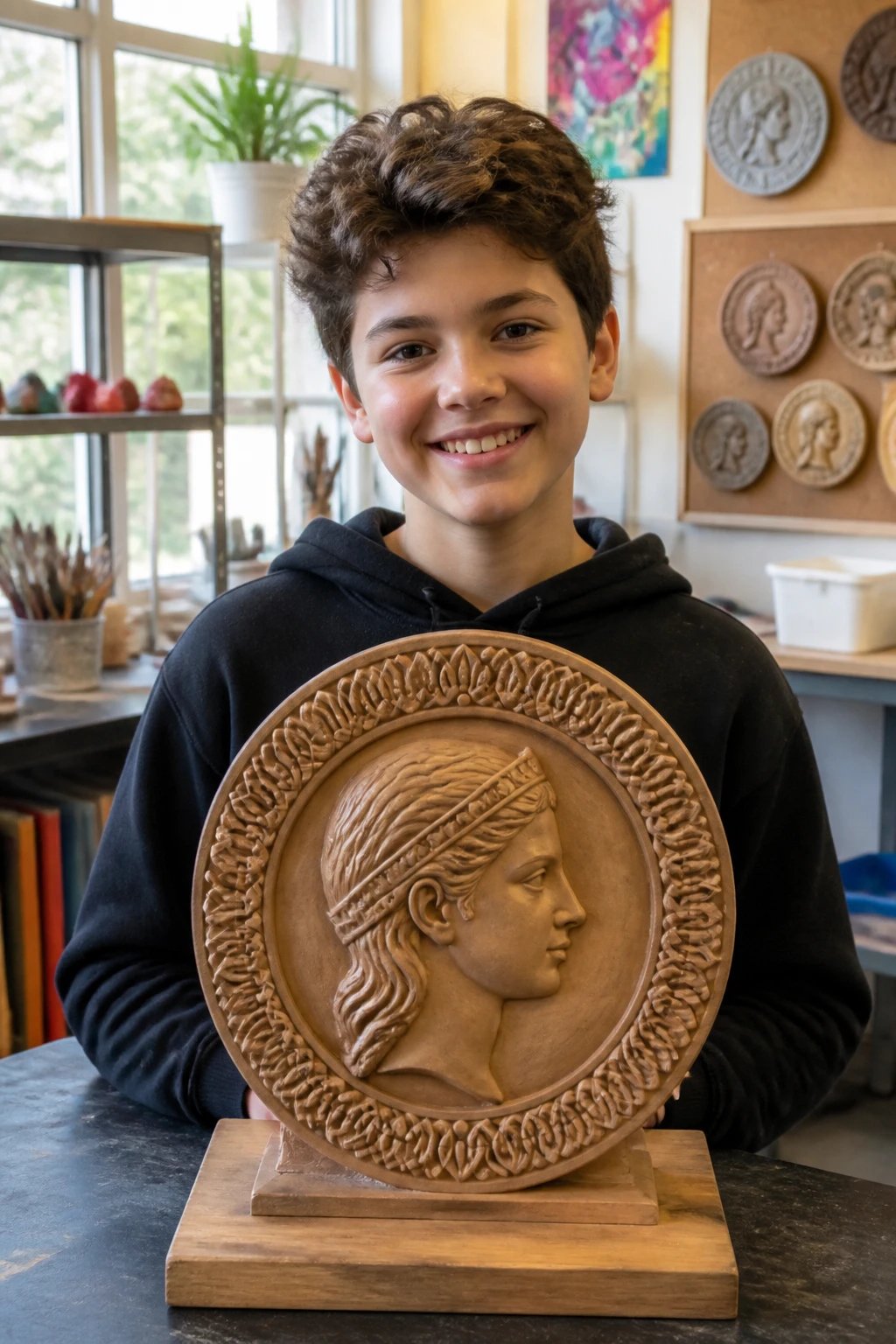
Turn students into small relief portraits set into decorative medallions. It feels like a trophy for creativity.
How to do it: sculpt a round base, build a facial profile in relief, and add a bold border
Benefit: celebrates individuality and results are perfect for display cases or lockers
8. Oceanic Creatures in Silhouette
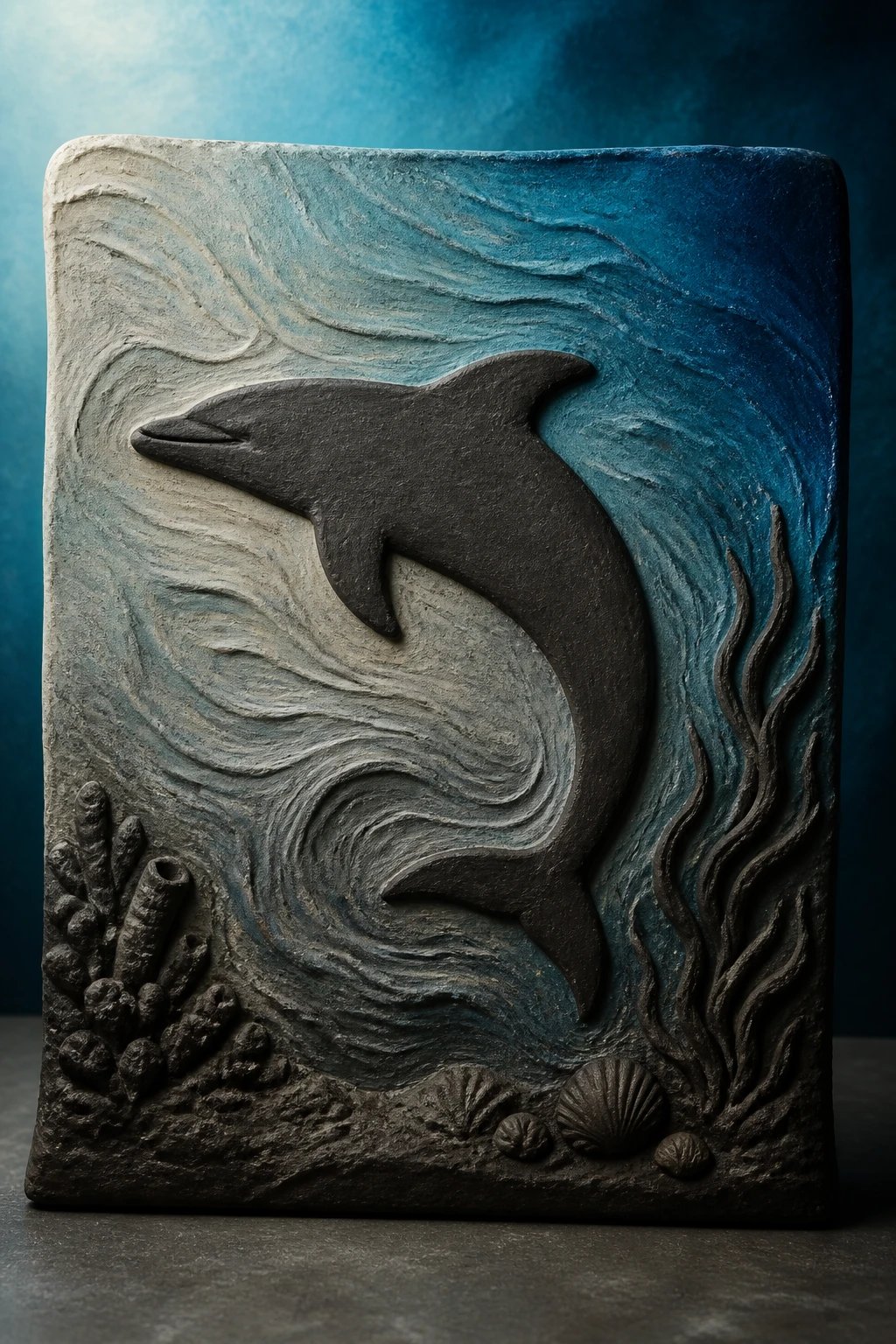
Silhouette + subtle texture creates dynamic sea life scenes that are surprisingly easy to assemble.
What to include: a dark profile with a textured, lighter underlay to suggest water movement
Tip: carve the base first so the silhouette sits flush and paint the background to imitate a watery look
9. Pop Culture Critters: Parody Figures
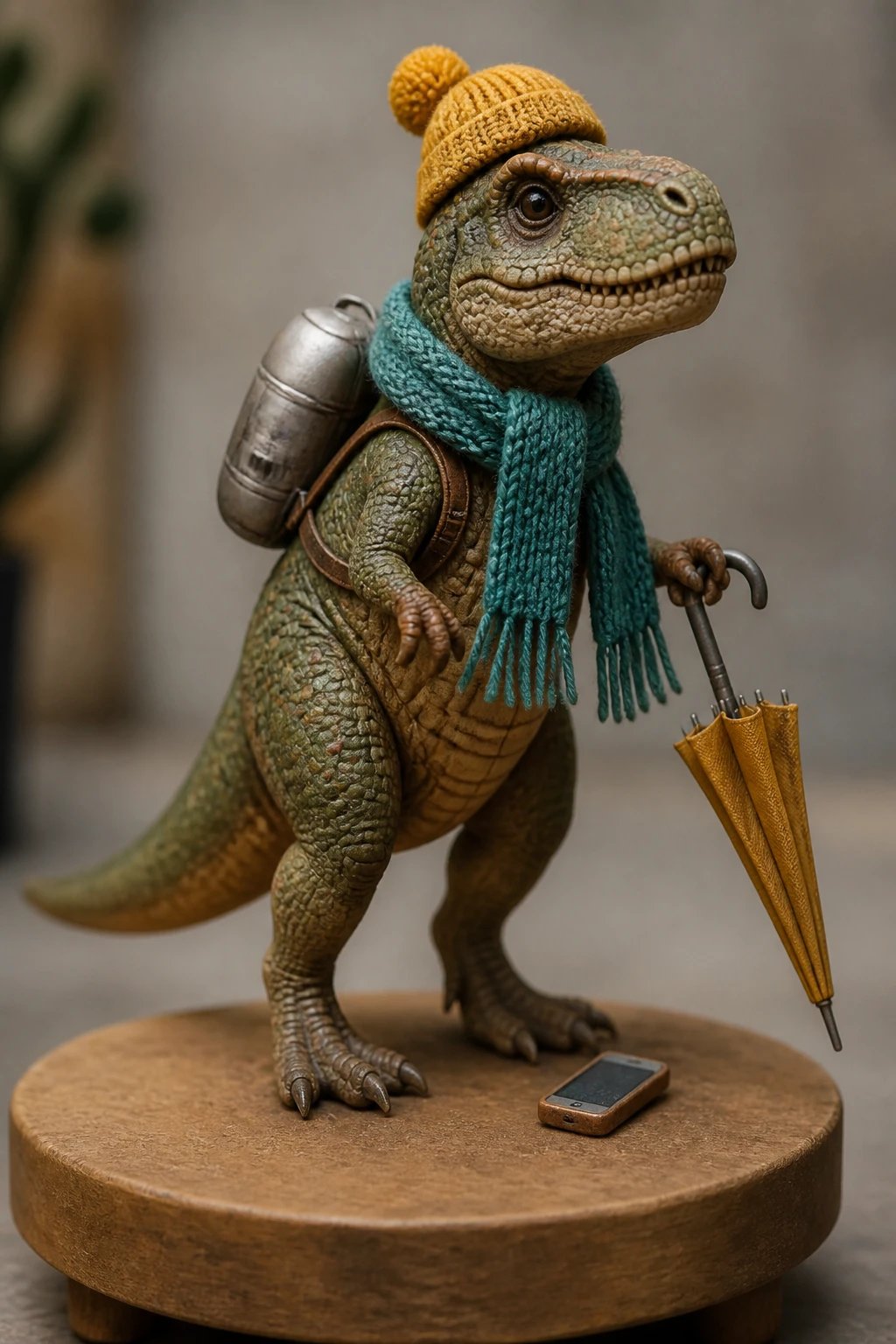
Lighthearted parodies of famous characters teach caricature drawing with clay while keeping things friendly and fun.
Why it works: students practice exaggeration and proportion in a low pressure way
Note: avoid copyright issues by leaning into spoofing rather than exact replicas
10. Dinosaurs That Have a Modern Twist
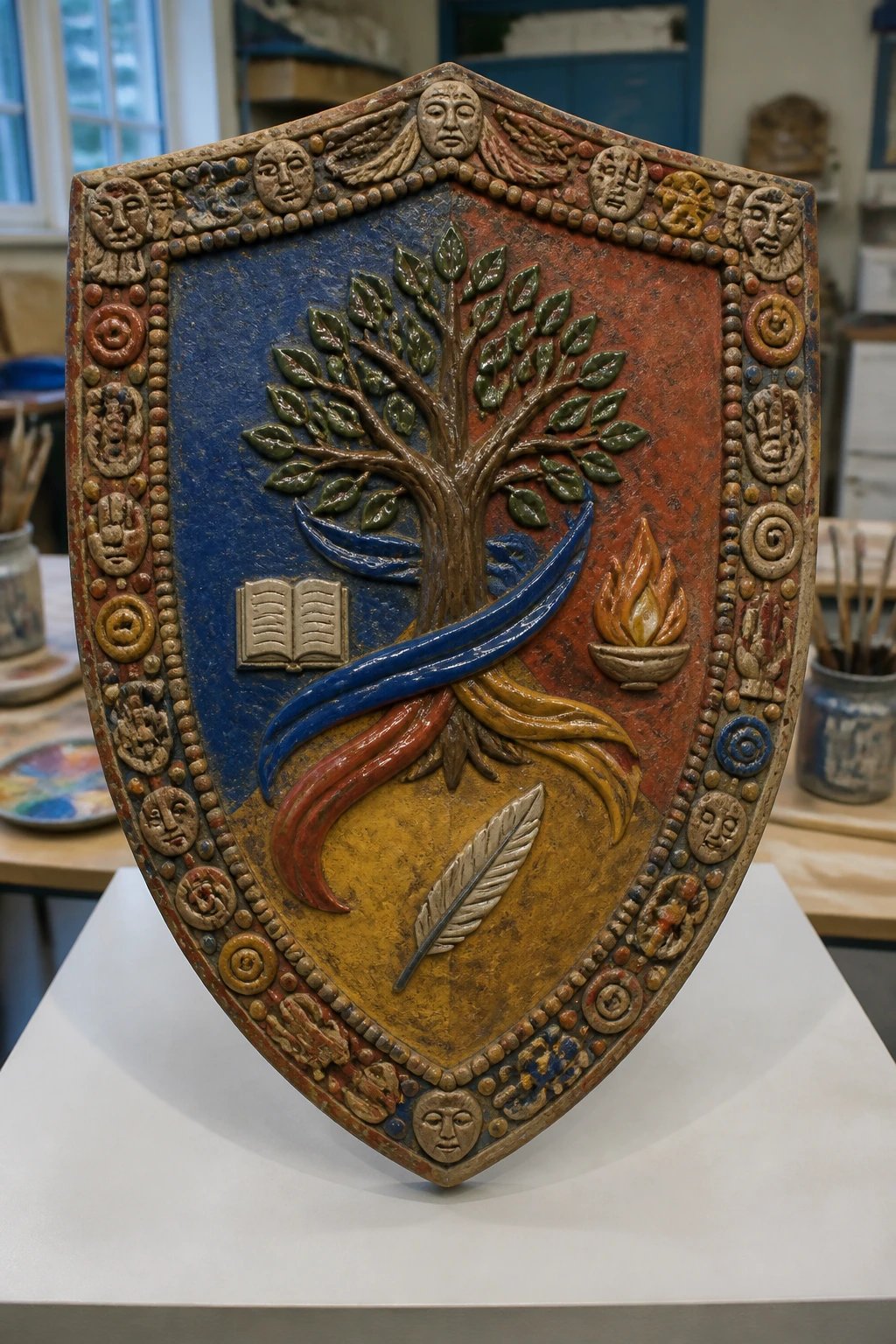
Dinosaurs never go out of style, especially when you remix them with contemporary accessories or quirky poses.
What to plan: basic dinosaur shapes with added pods, hats, or scarves for humor
Takeaway: this project builds 3D thinking, scale, and texture layering
11. Cultural Clay Crests: Symbols and Stories
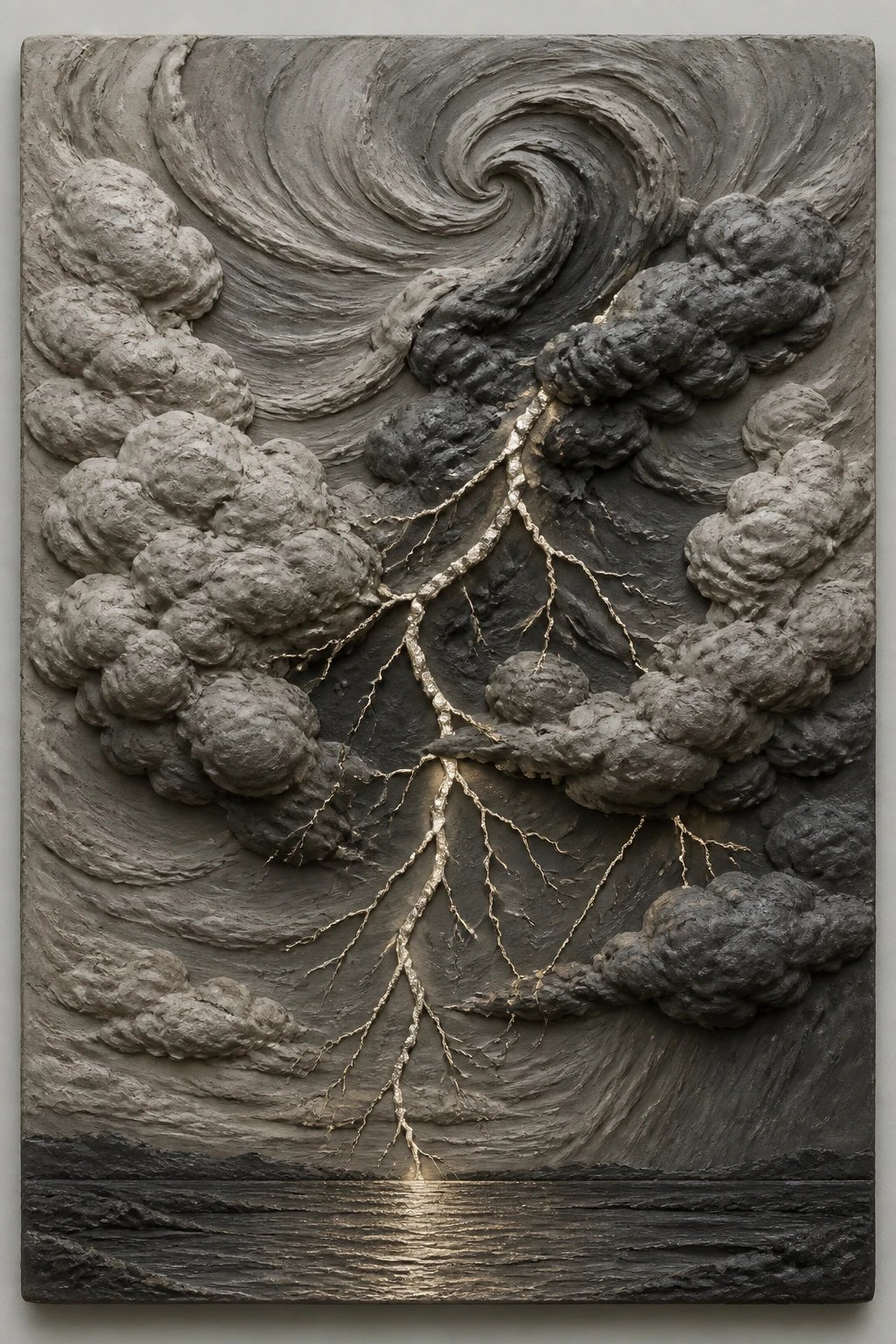
Crest designs celebrate heritage and storytelling through bold symbols and color choices.
What to include: a shield-shaped base, central emblem, and border motifs representing stories
Why it matters: reinforces research skills and helps students connect art to culture
12. Weather Wonders: Storms and Skyscapes
Capture the drama of weather with swirling shapes, cloud textures, and lightning accents in clay reliefs.
Helpful approach: start with the sky as a flat plane, then build raised cloud forms and crackle texture for lightning
Benefit: great for weather science connections and dramatic display pieces
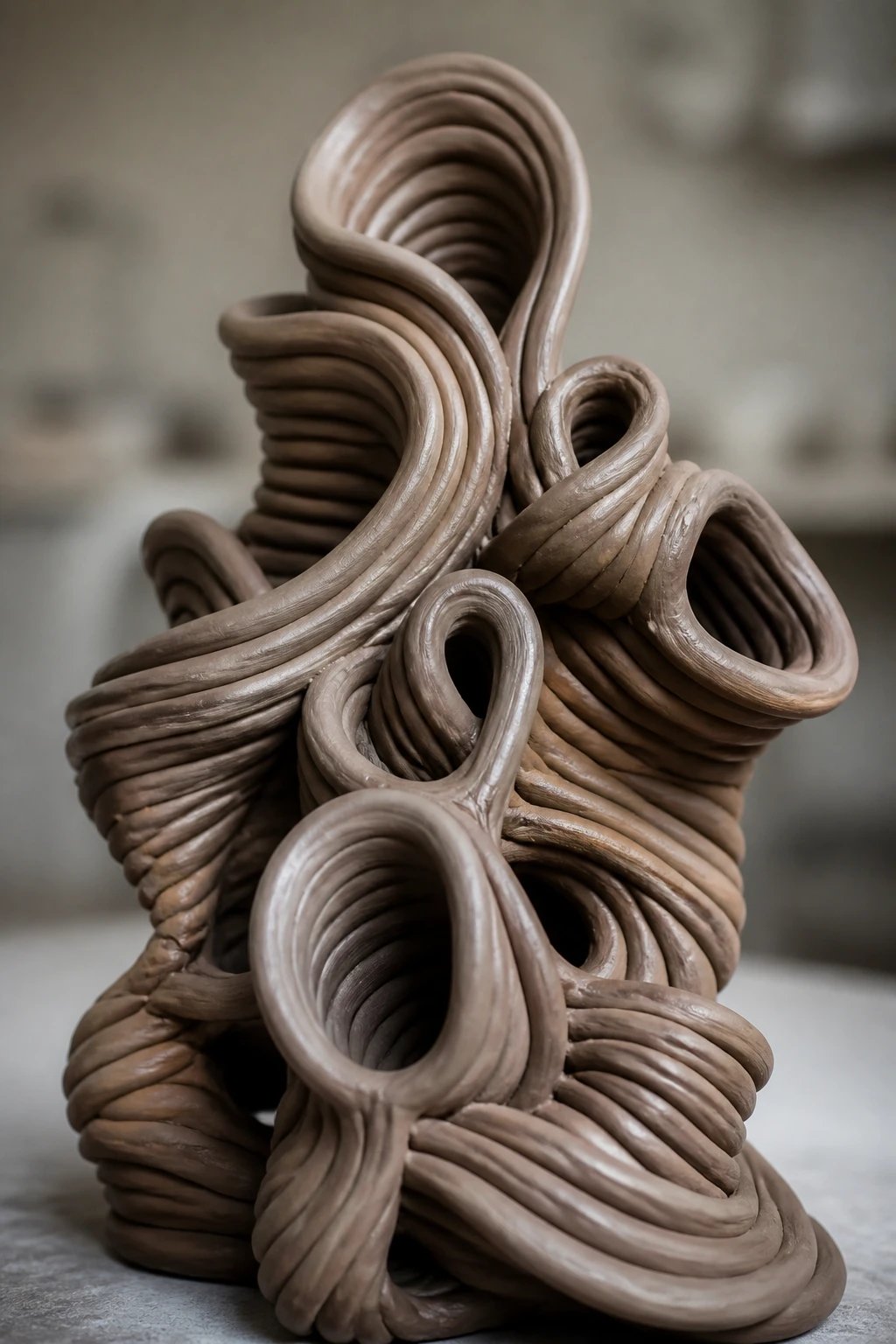
13. Abstract Coil Sculptures: Flow and Form
Encourage experimentation with coils to create flowing, organic forms that feel alive.
What to try: vary coil thickness, twist directions, and overlap layers for depth
Why it rocks: coil sculpture is forgiving and invites creativity without worrying about perfect symmetry
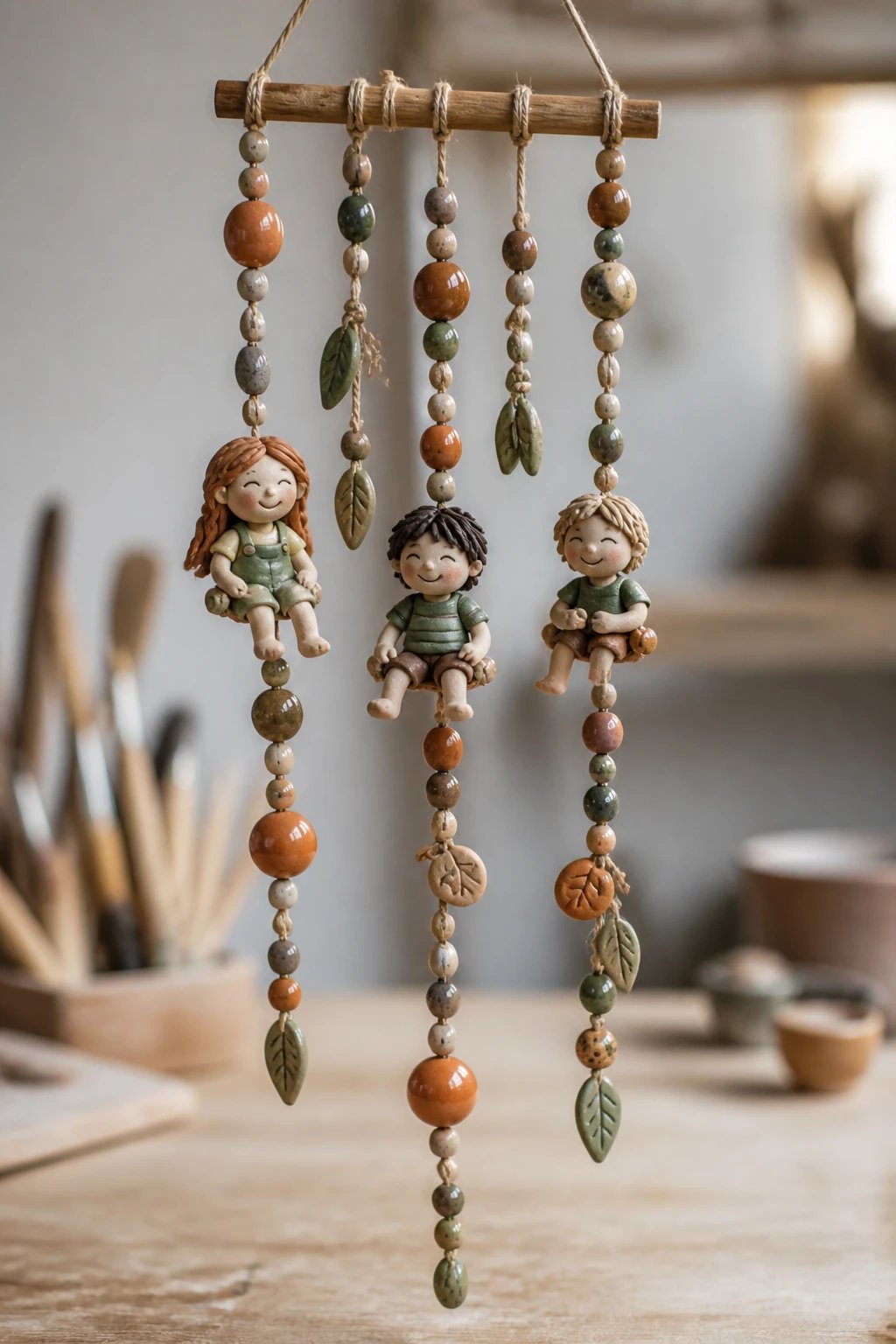
14. Seeds of Friendship: Clay Bead Strings and Figures
Combine beadwork with small clay characters to tell a tiny friendship story in a hanging sculpture.
Key idea: thread a sturdy base and attach clay beads or tiny charms for texture and color variety
When to use: great for portfolio pieces and family art nights
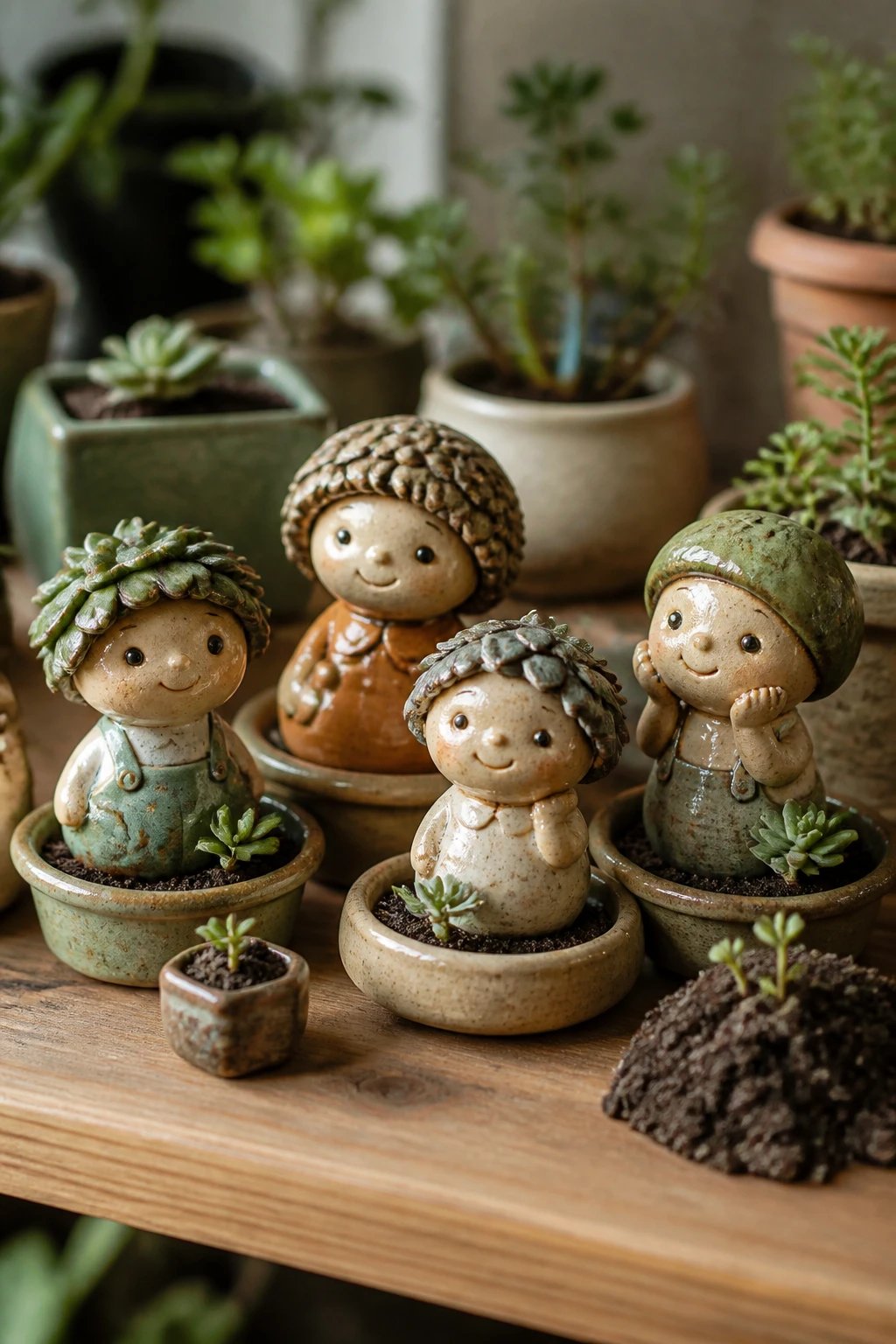
15. Garden Buddies: Cute Planter Folk
Craft small clay figures that can sit on a shelf next to tiny planters or mock soil mounds.
What to cover: plant-friendly base, weatherproof glaze options, and a friendly face to invite care
Bottom line: these pieces encourage responsibility and creativity in a real-world context
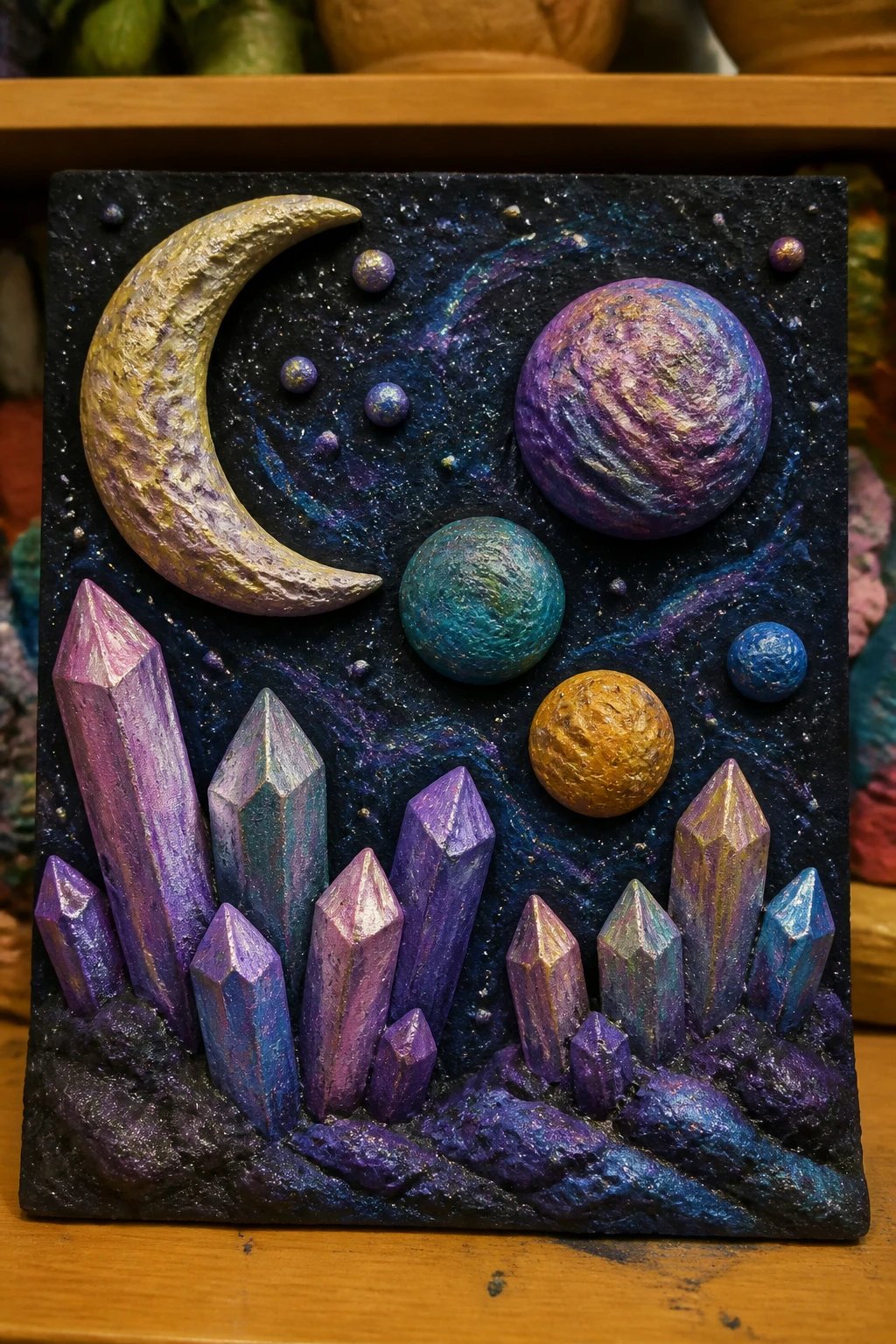
16. Cosmic Crystals and Celestial Bodies
End the list with a splash of space and sparkle. Crystals, moons, and planets in textured relief feel magical.
How to approach: use simple geometric shapes and add shimmering paint or glitter glaze for wow factor
Final note: these pieces look incredible on a shelf or a classroom bulletin board and inspire future projects
Ready to start? Grab some clay, a few tools, and a dash of imagination. These 16 ideas are your fast track to a vibrant, student-friendly clay unit that everyone will remember – including you!
