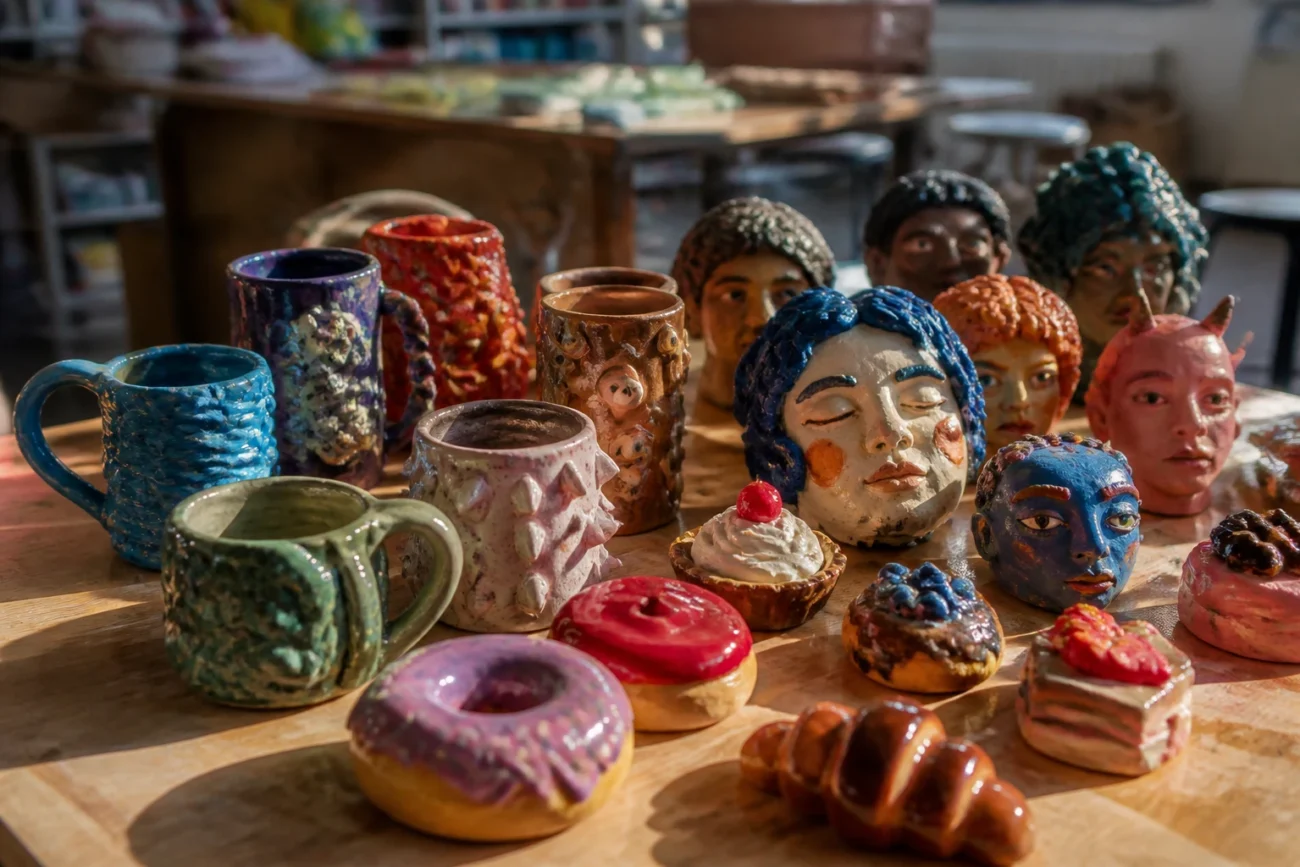
Ready to sculpt your way to the top of the class with projects that are as fun as they are doable?
These ideas are designed to spark creativity, boost confidence, and keep you smiling from first sketch to final glaze.
Keep reading to uncover projects you can start this weekend and actually finish with flair.
1. Layer Textures Like a Pro
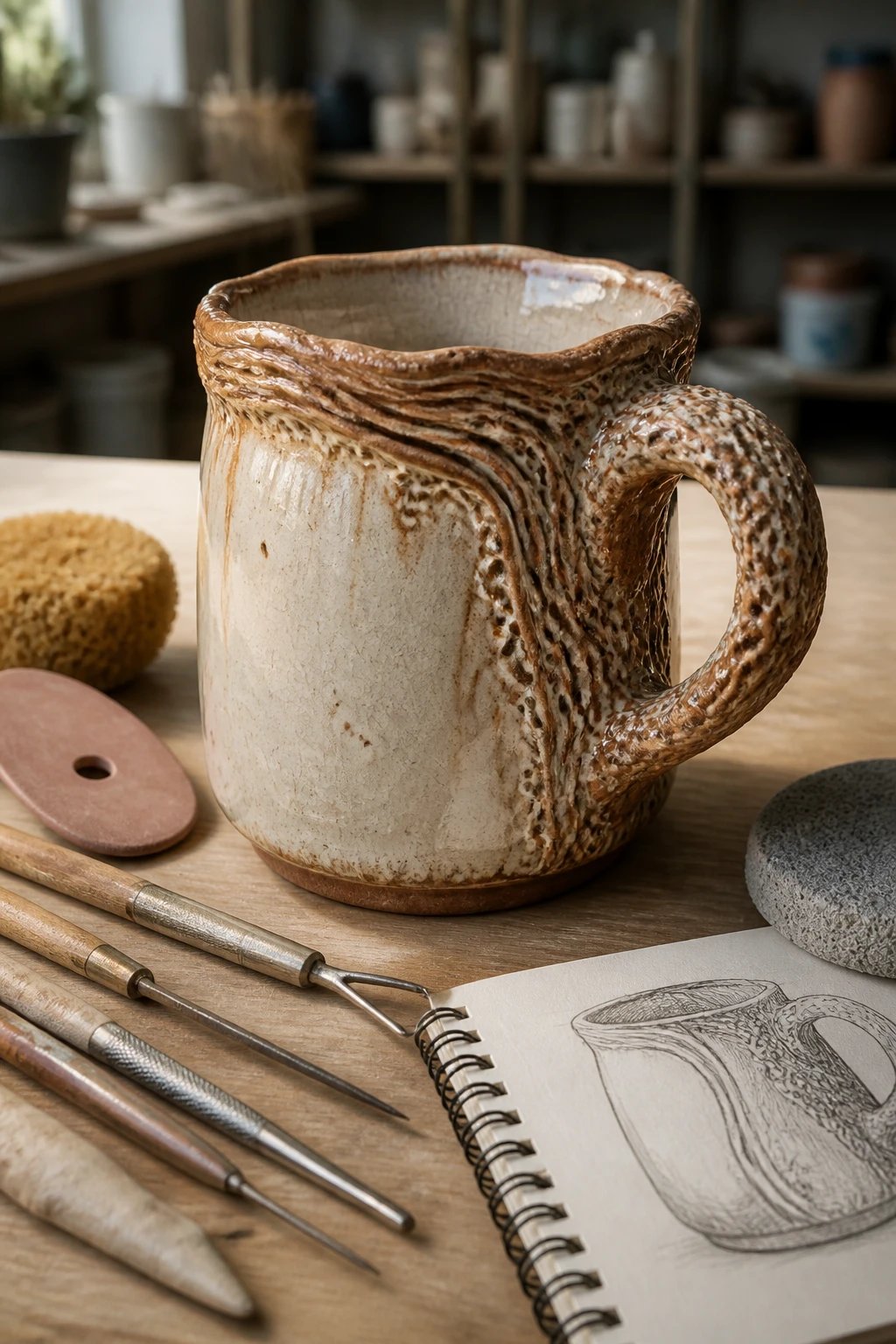
Cocoons of clay textures add depth and character to simple shapes. You can mix smooth surfaces with rough, bumpy textures for a dynamic piece.
Key Points
- Combine textures using a variety of tools
- Finish with a light glaze to enhance ridges
- Keep a small sketch handy to plan texture placement
This approach makes even a basic mug or figurine pop with personality. It also teaches you about contrast and tactile interest.
2. Miniature Food Fantasy
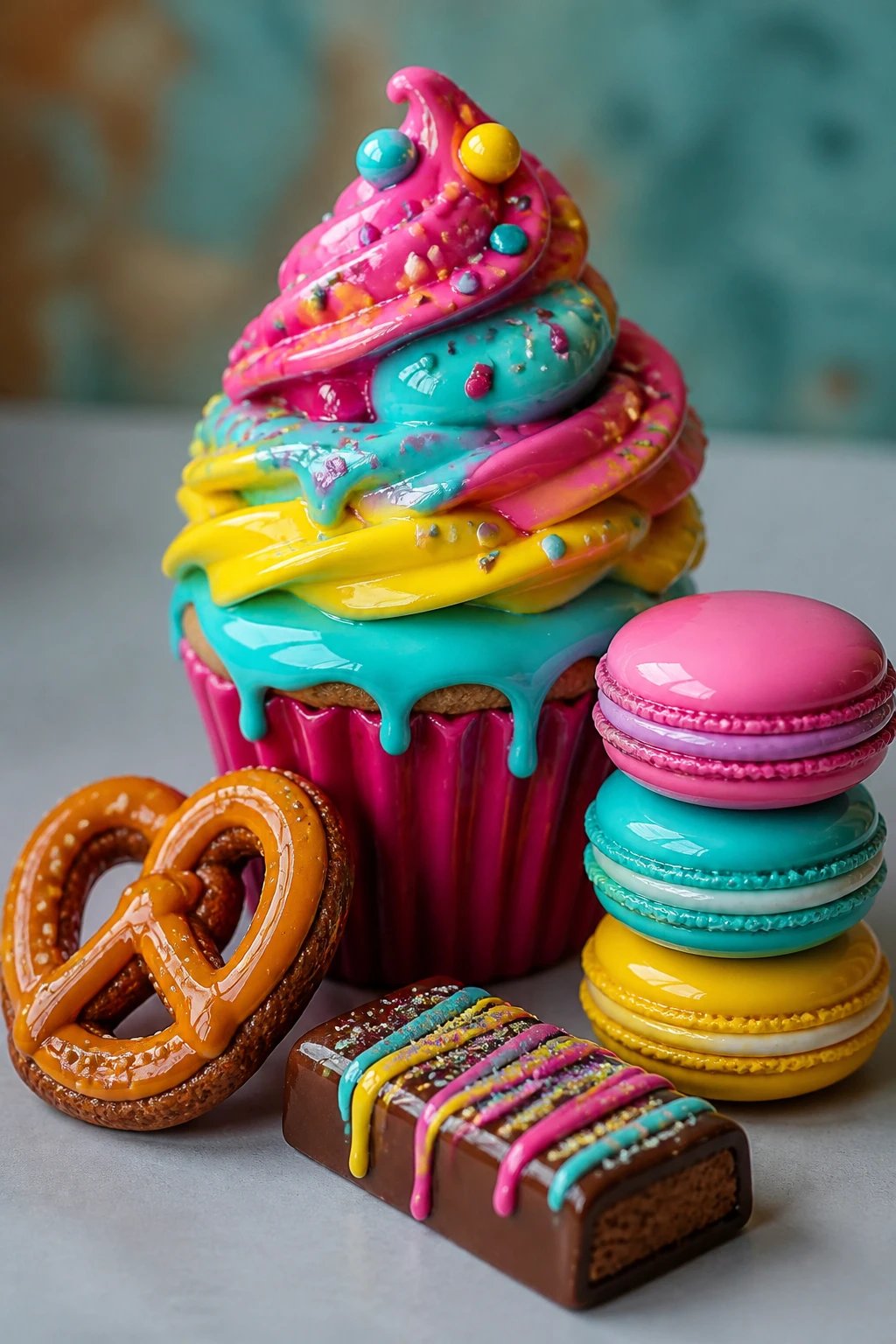
Turn favorite snacks or whimsical desserts into clay sculptures that look almost good enough to eat. The trick is exaggeration and color play.
Materials
- Colored modeling clay
- Fine sanding sponge for smoothing edges
- Gloss glaze for realistic shine
These pieces translate well into a class display and show off your attention to detail.
3. Expressive Faces in 3D
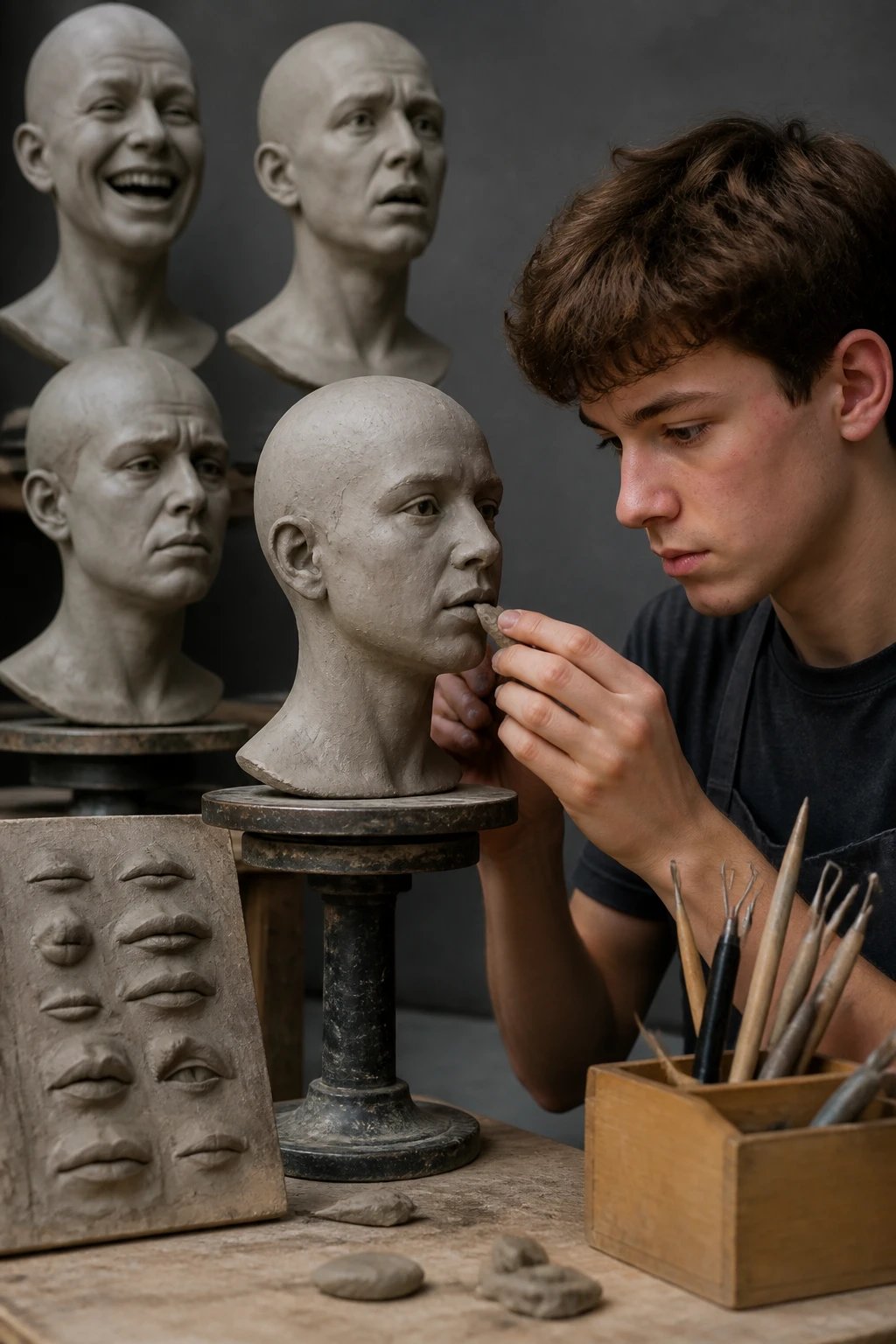
Human expressions capture emotion without words. This project helps you practice proportion and storytelling through facial features.
Tips
- Start with a neutral base head, then add features gradually
- Use small clay scraps to refine lips and eyes
End result? A set of characters that convey mood as vividly as a portrait painting does.
4. Whimsical Animal Portraits

Animals with personality make sculpture approachable and fun. Think big eyes, quirky ears, and bold color choices.
Key Points
- Aim for stylized forms rather than hyper realism
- Experiment with asymmetry for charm
- Display on a painted or textured pedestal
These pieces look great on a desk or gallery wall and are surprisingly forgiving for beginners.
5. Abstract Geometric Mashups
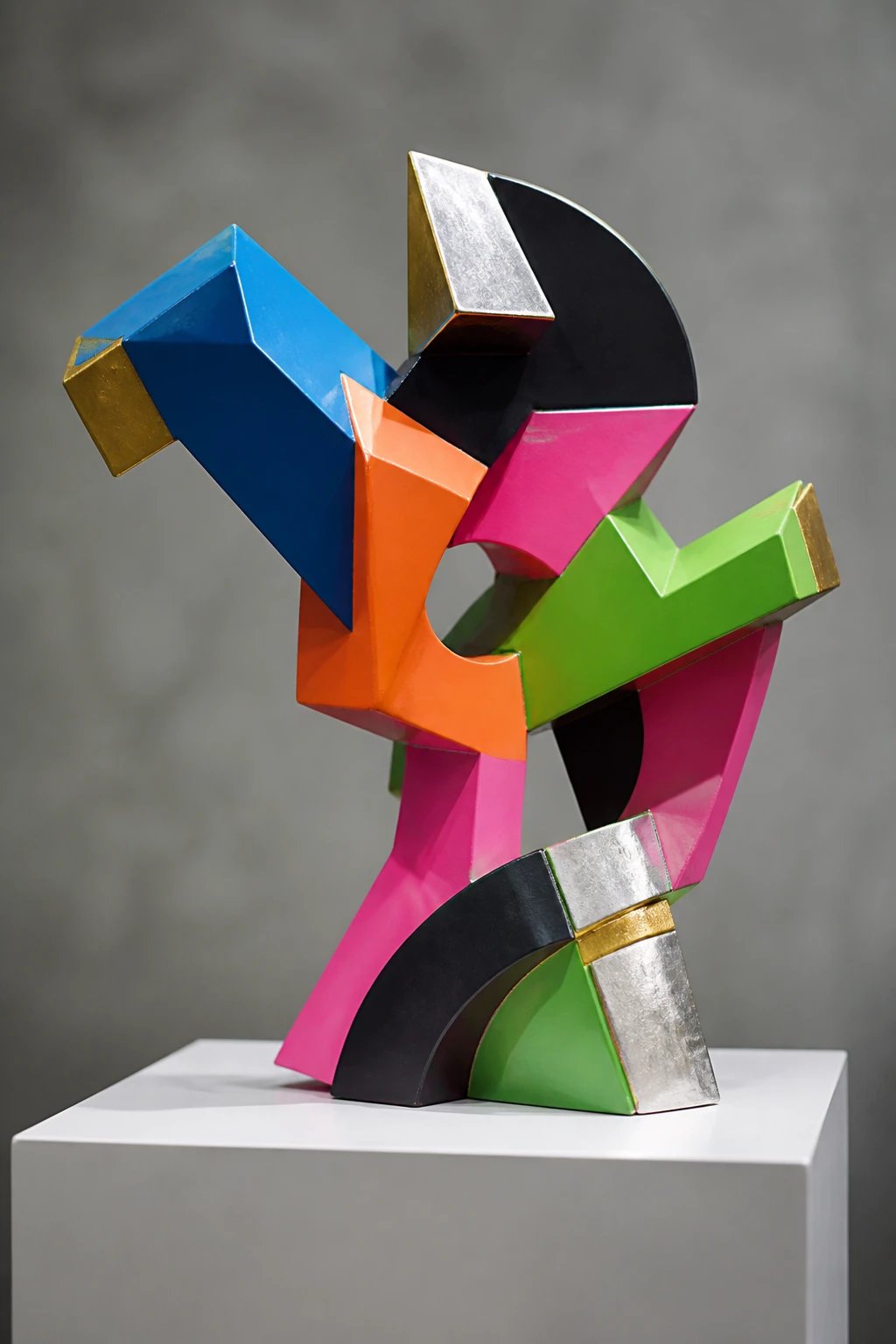
Geometric shapes locked together create a modern sculpture that screams contemporary art energy. Use asymmetric arrangements for drama.
Materials
- Soft polymer clay in bold colors
- Clay blades for clean edges
- Paint or glaze for metallic accents
Abstract work teaches balance, composition, and the beauty of negative space.
6. Nature-inspired Branch Figures
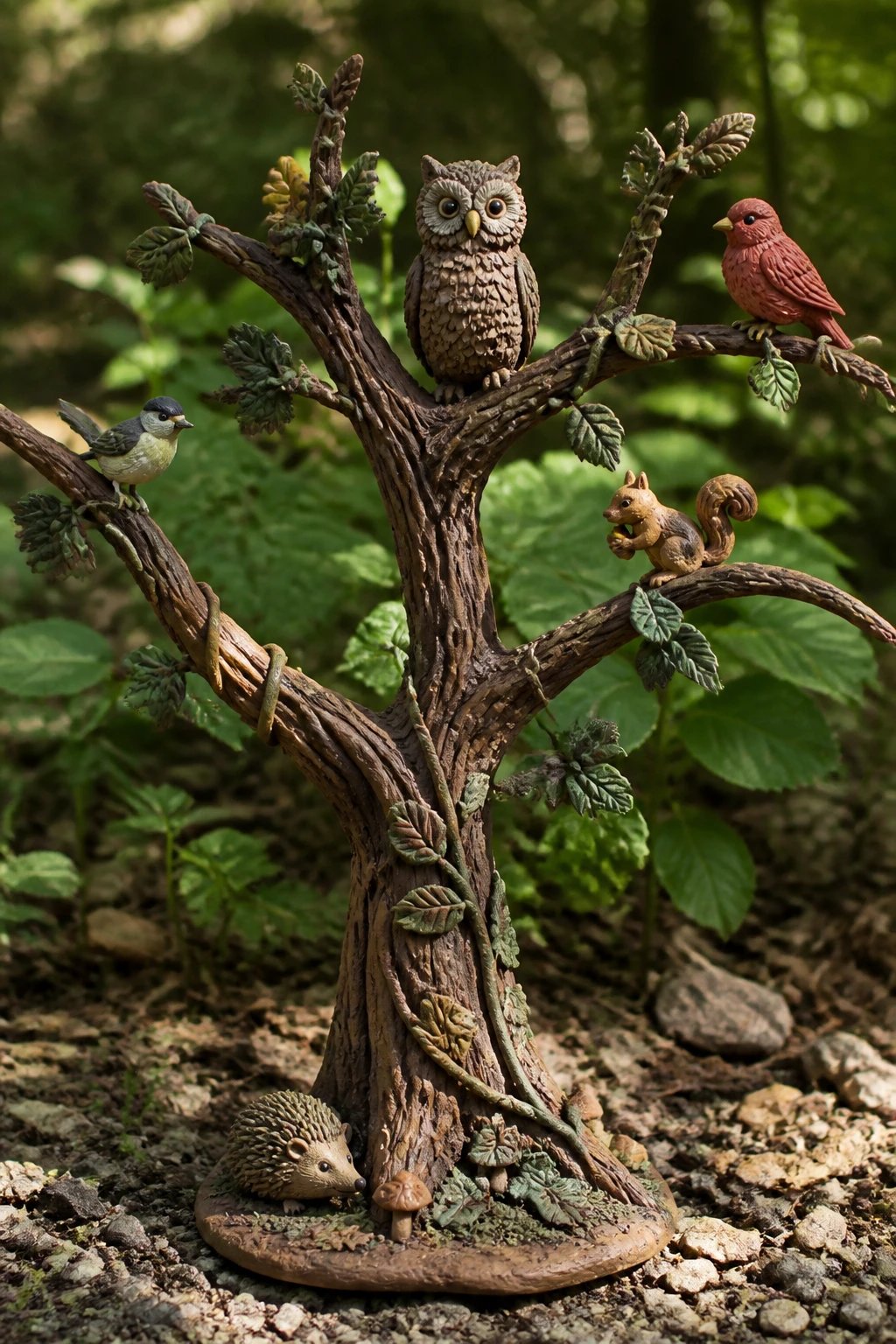
Branches are nature’s sculpture already. Create stylized trees, birds, or forest scenes using clay for texture and form.
Tips
- Wrap thin coils around a twig to anchor pieces
- Use bark-like textures with needle tools
These pieces celebrate outdoorsy vibes and translate well into Earth Day or science-themed displays.
7. Tiny Storybook Scenes
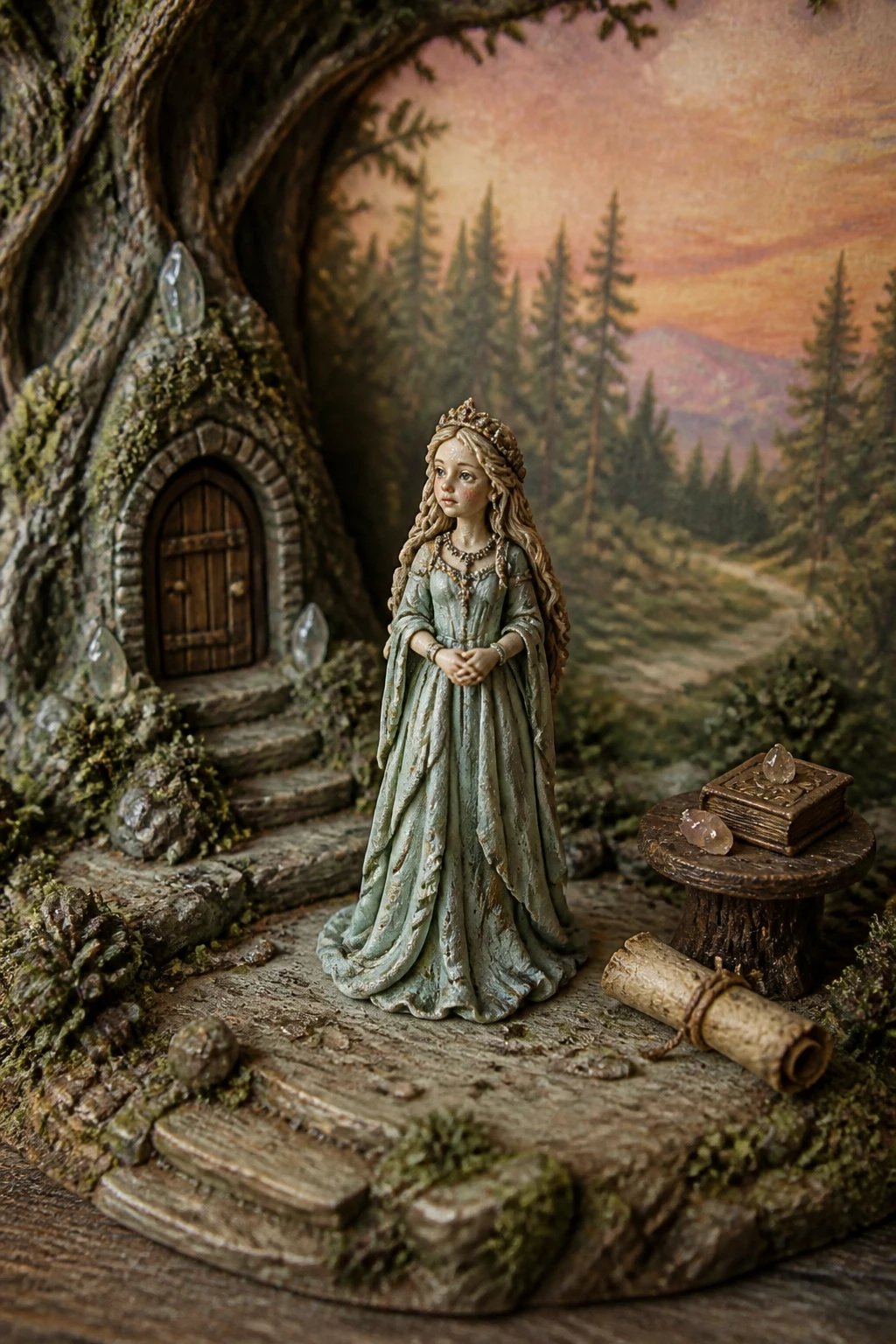
Capture a moment from a fairy tale or a favorite memory in a miniature diorama. Drama comes from micro-details.
What to Include
- Figures, tiny props, and a small setting
- Background painted or pressed texture for depth
Great for storytelling assignments and showcases your narrative skills beyond still life.
8. Sculpted Handprints with a Twist
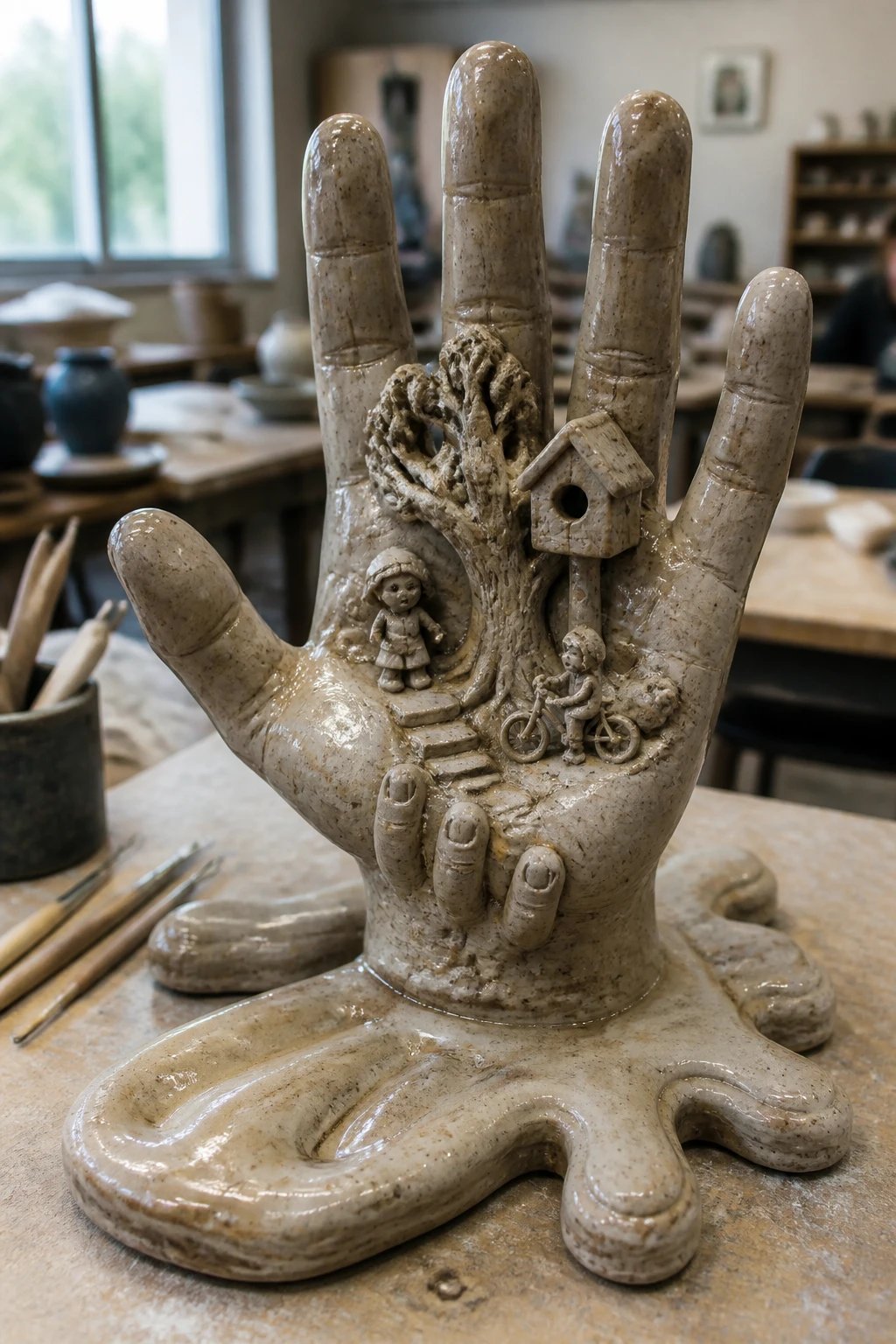
Turn a simple handprint into a three-dimensional sculpture by adding texture, accessories, or a whimsical scene perched on the palm.
Notes
- Experiment with scale by enlarging the impression
- Add tiny fingers or accessories to convey personality
A nostalgic yet fresh project that resonates with all ages and skill levels.
9. Surreal Creature Compositions
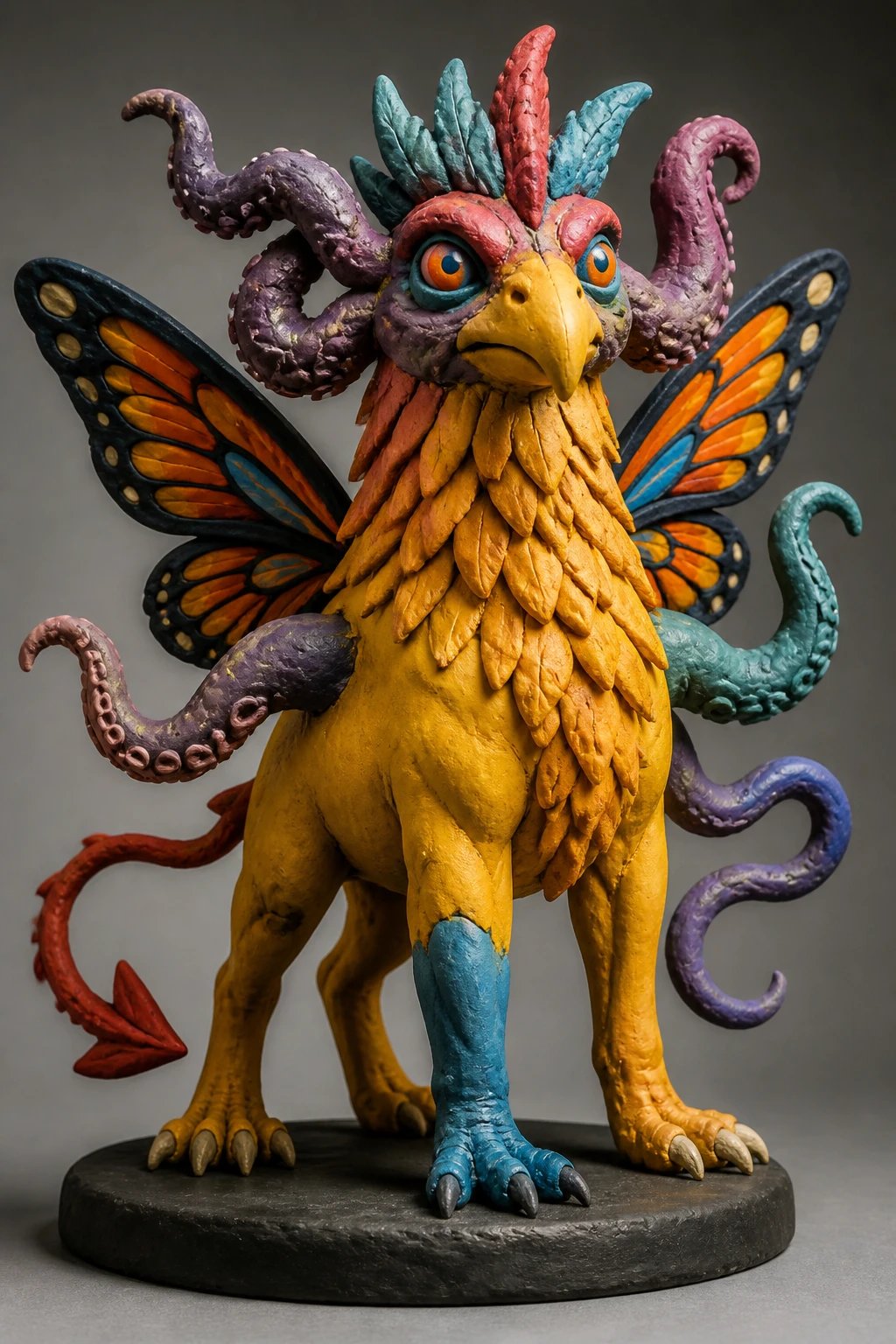
Go playful with hybrid creatures that blend familiar animal traits with unexpected features. It’s like doodling with clay and a dash of chaos.
Key Elements
- Bold color blocking
- Clear silhouette for legibility
- Simple base to support extra limbs or features
Have fun and push your creativity without worrying about perfect anatomy.
10. Everyday Objects Reimagined
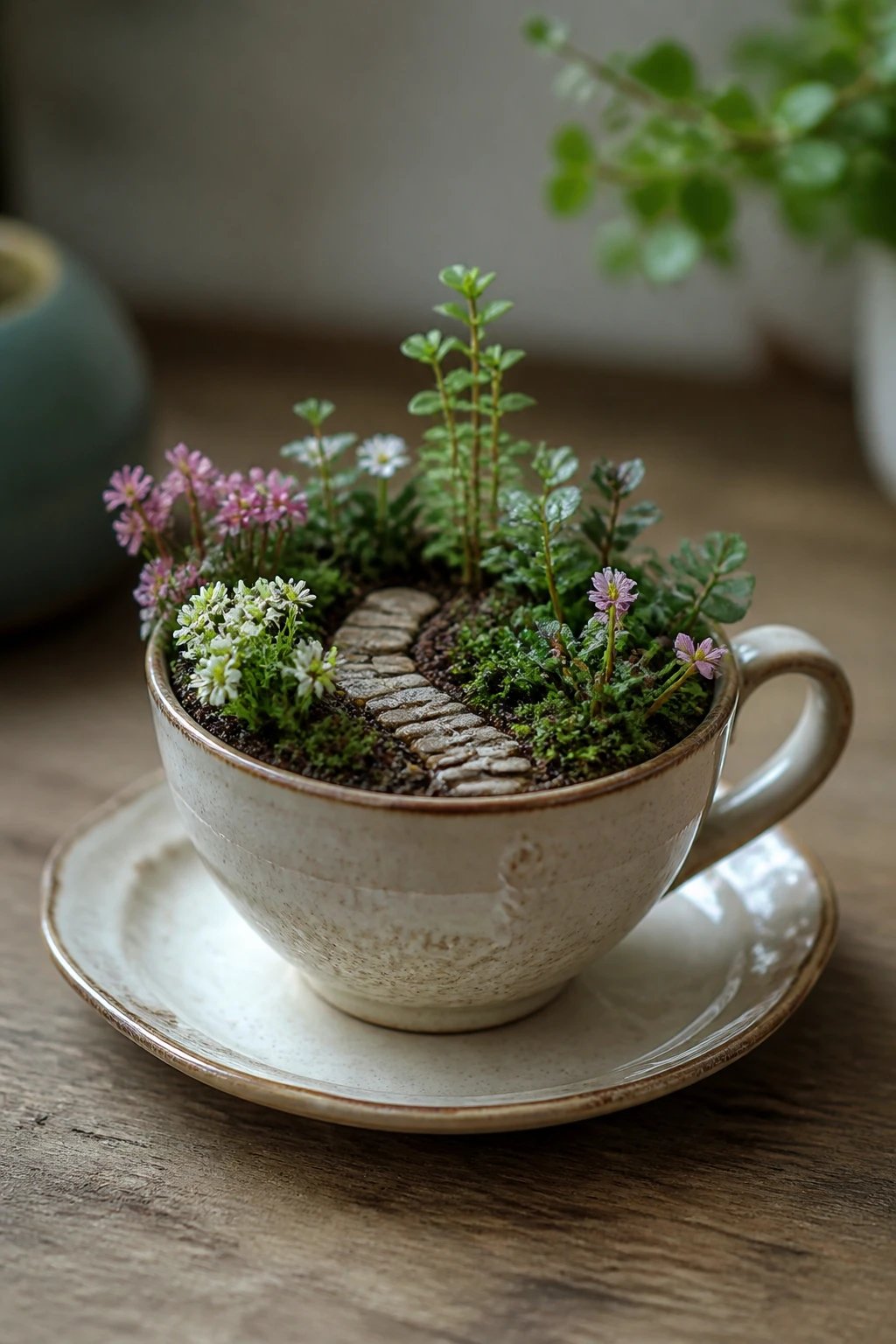
Take mundane items and give them magical twists. A clay pencil sharpener that looks alive or a teacup with a tiny garden inside is instantly captivating.
Why It Works
- Relatable subject matter boosts engagement
- Encourages inventive thinking and problem solving
Great for a quick turnaround project that still feels clever and polished.
11. Sculpted Plant Forms
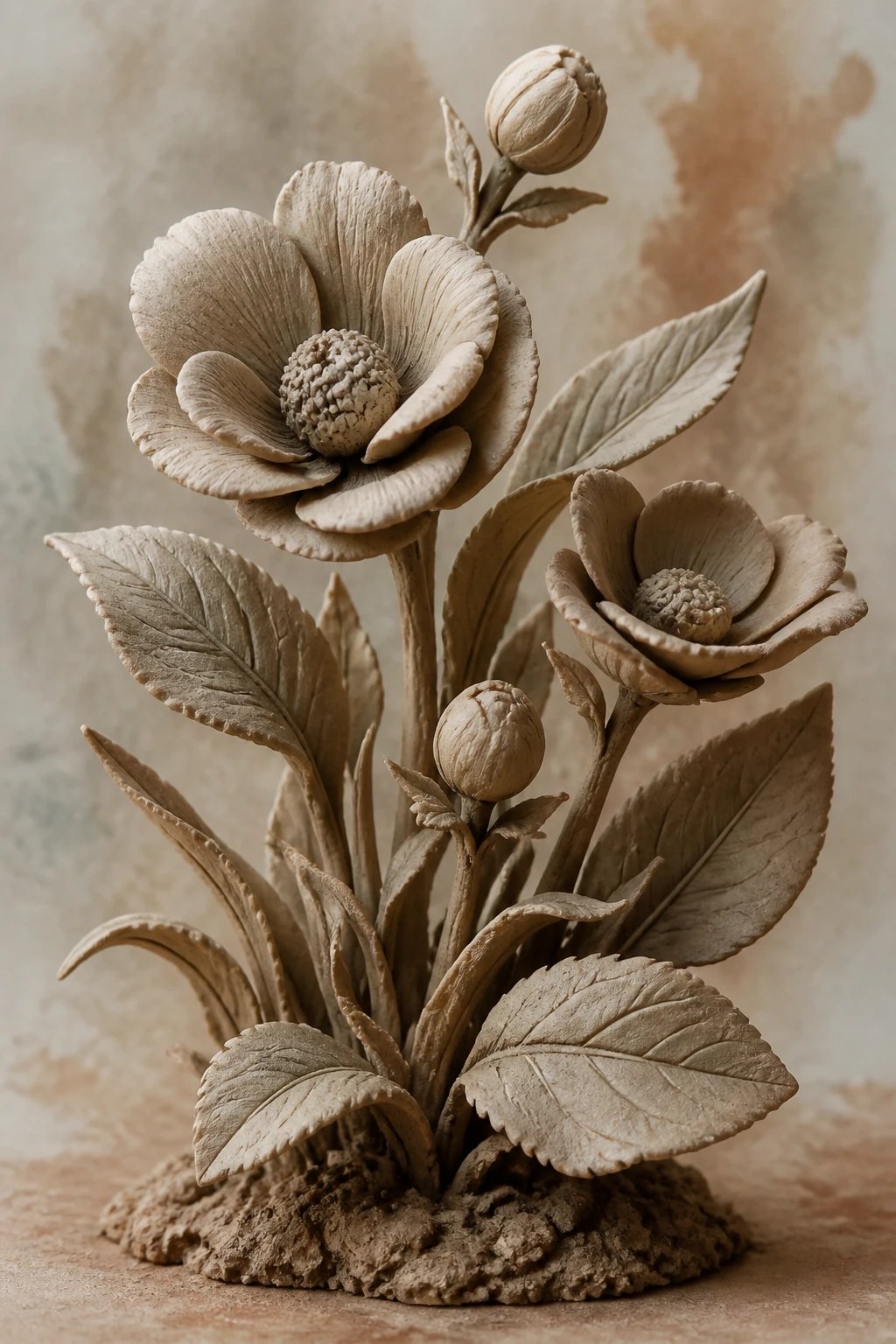
Plants and flowers in clay let you explore organic shapes, veins, and delicate textures without needing a real green thumb.
Tips
- Layer petals gradually for natural curvature
- Use scoring and slipping to attach leaves securely
These pieces bloom in group displays and pair nicely with watercolor backgrounds or soil-toned bases.
12. Creature Eyes and Expressions

Eyes tell the story in any sculpture. Focus on size, placement, and the little gleams that bring characters to life.
Key Points
- Make eyes by rolling small spheres and flattening for lids
- Add a tiny pupil dot for sparkle
A simple feature that dramatically elevates your entire piece and invites viewers to linger.
13. Marbled Masterpieces
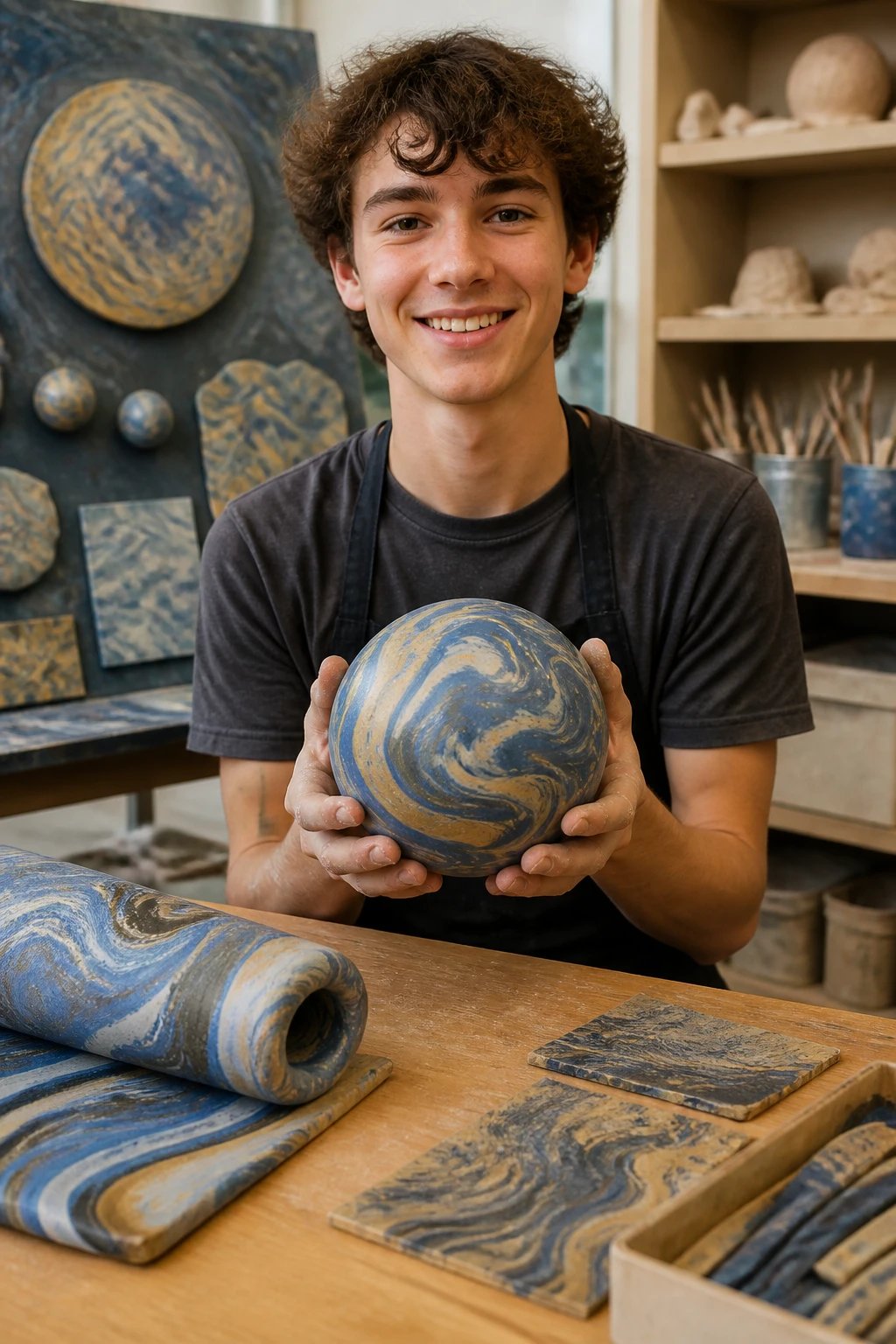
Marbling clay creates swirling color drama without paints. It feels sophisticated but is simple enough for a class project.
How To
- Add two contrasting colors and twist gently to create patterns
- Roll into a ball or create layered sheets for texture
The result looks premium and requires minimal steps to achieve wow factor.
14. Silhouette Sculptures
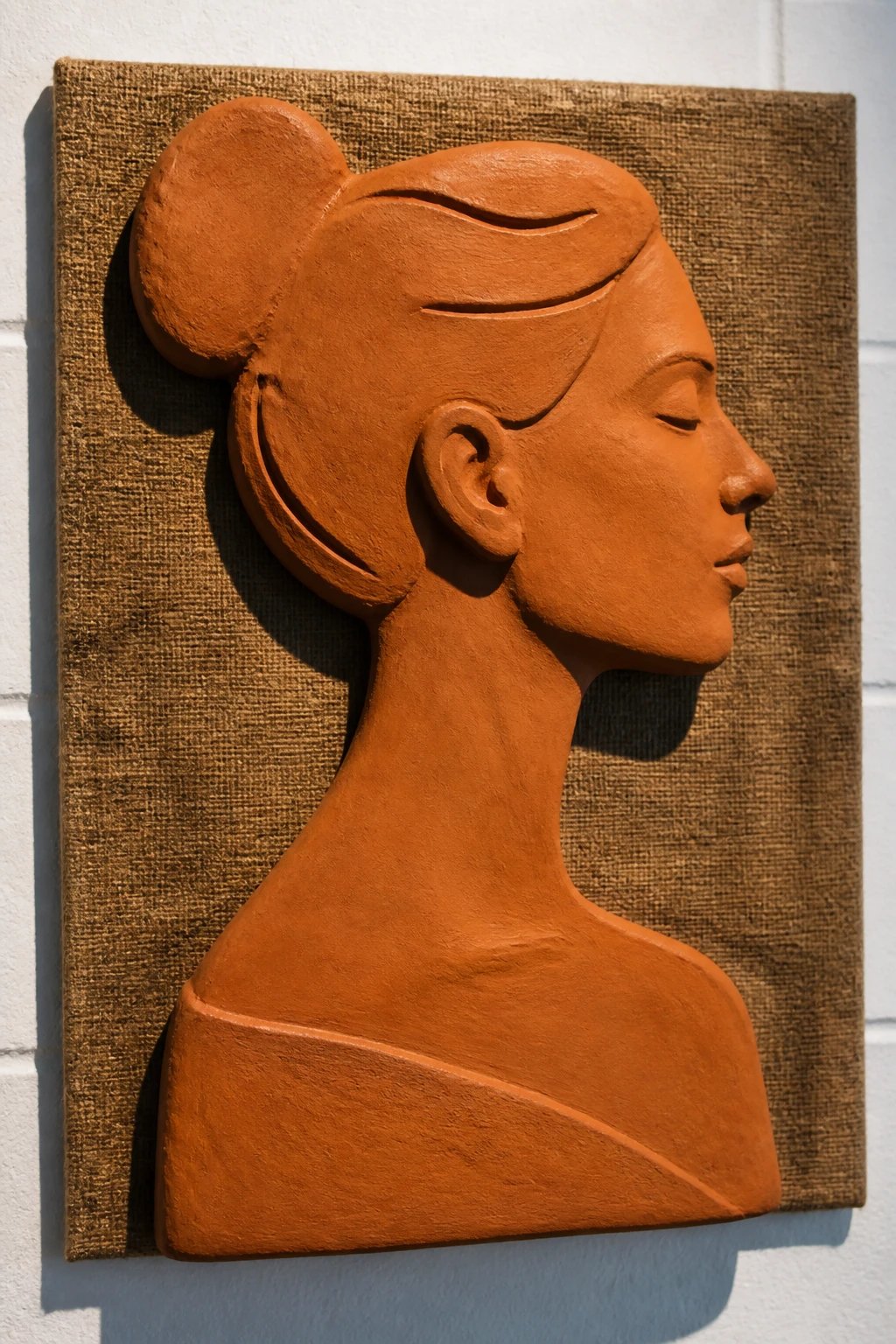
Flat profiles turned into three-dimensional shadows create striking, graphic pieces. Perfect for bold classroom displays.
Suggestions
- Focus on strong side profiles
- Attach to a textured backboard for contrast
Ideal for a quick yet impactful project that emphasizes form over detail.
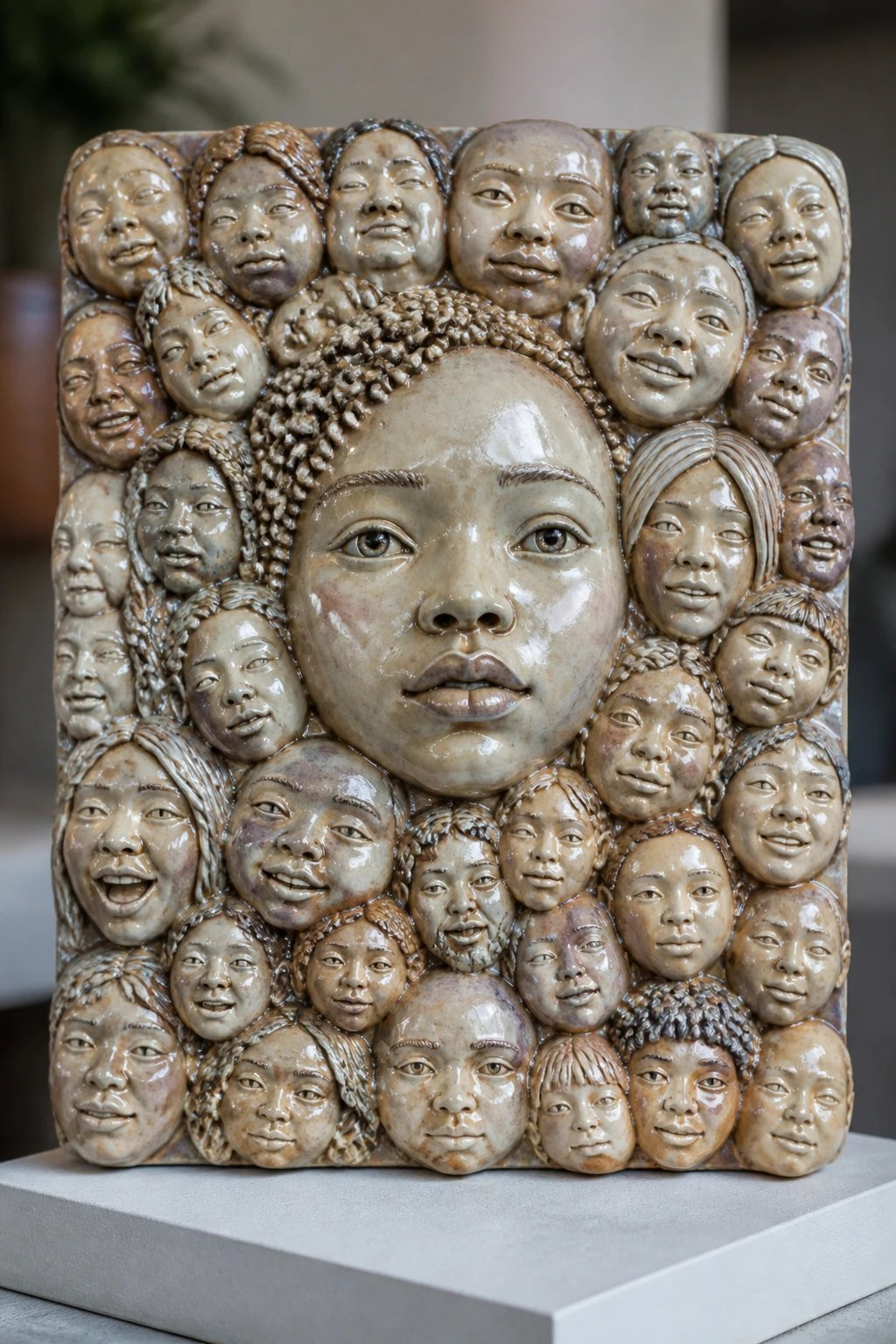
15. Mini Faces Collage
Create a mosaic of tiny faces in a single sculpture. It’s a study in expression and personality across a compact canvas.
Notes
- Vary sizes and expressions for interest
- Seal with a clear glaze to unify the piece
Fun to assemble and great for peer critique sessions where you compare styles.
16. Oceanic Wonders
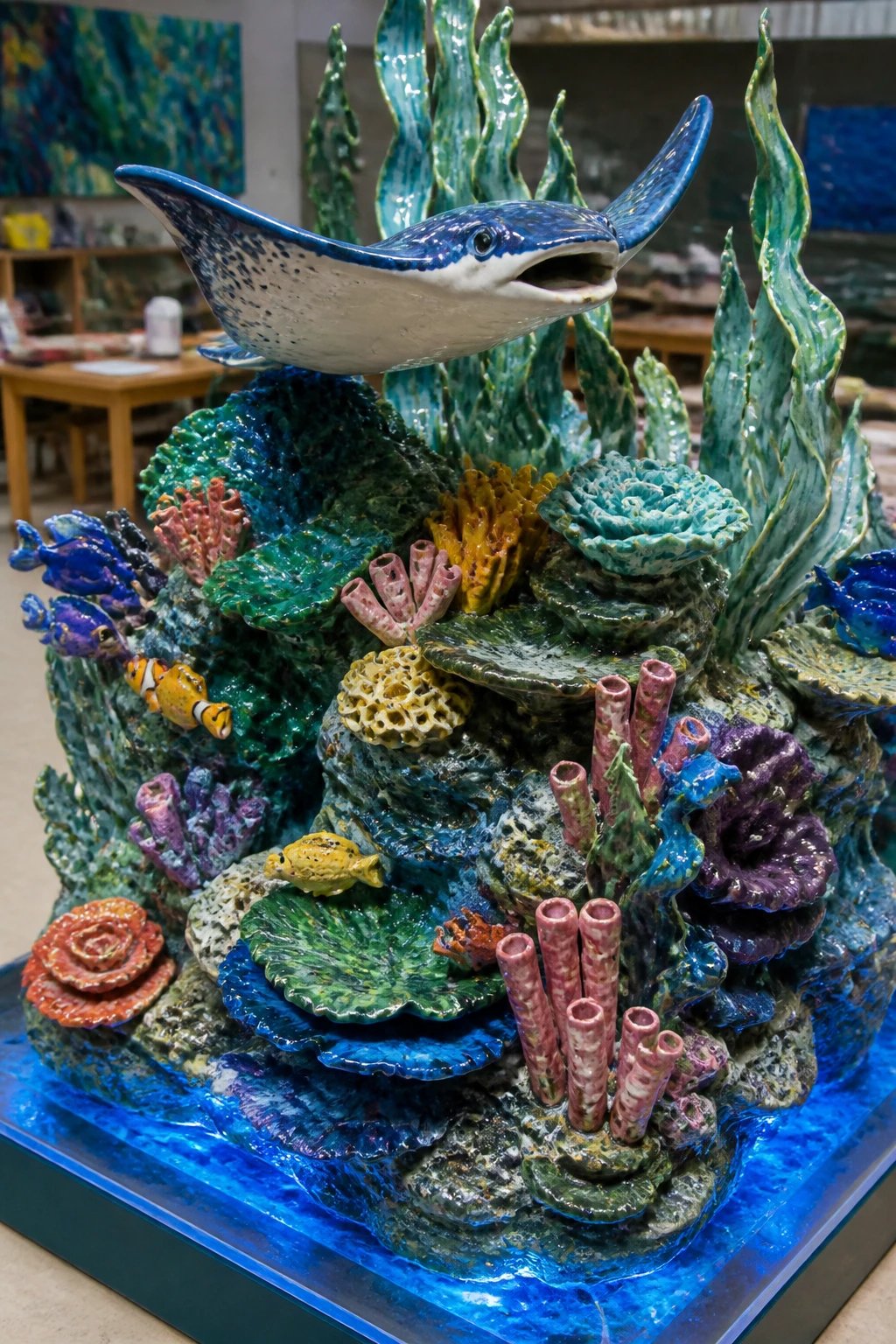
Sea creatures and underwater scenes bring color and motion to life. Think coral textures and wavy forms that mimic currents.
Key Elements
- Layered textures to mimic water and coral
- Bright, saturated glaze to mimic tropical seas
These sculptures look like they belong in a classroom aquarium display and spark conservation conversations.
17. Mythical Symbols

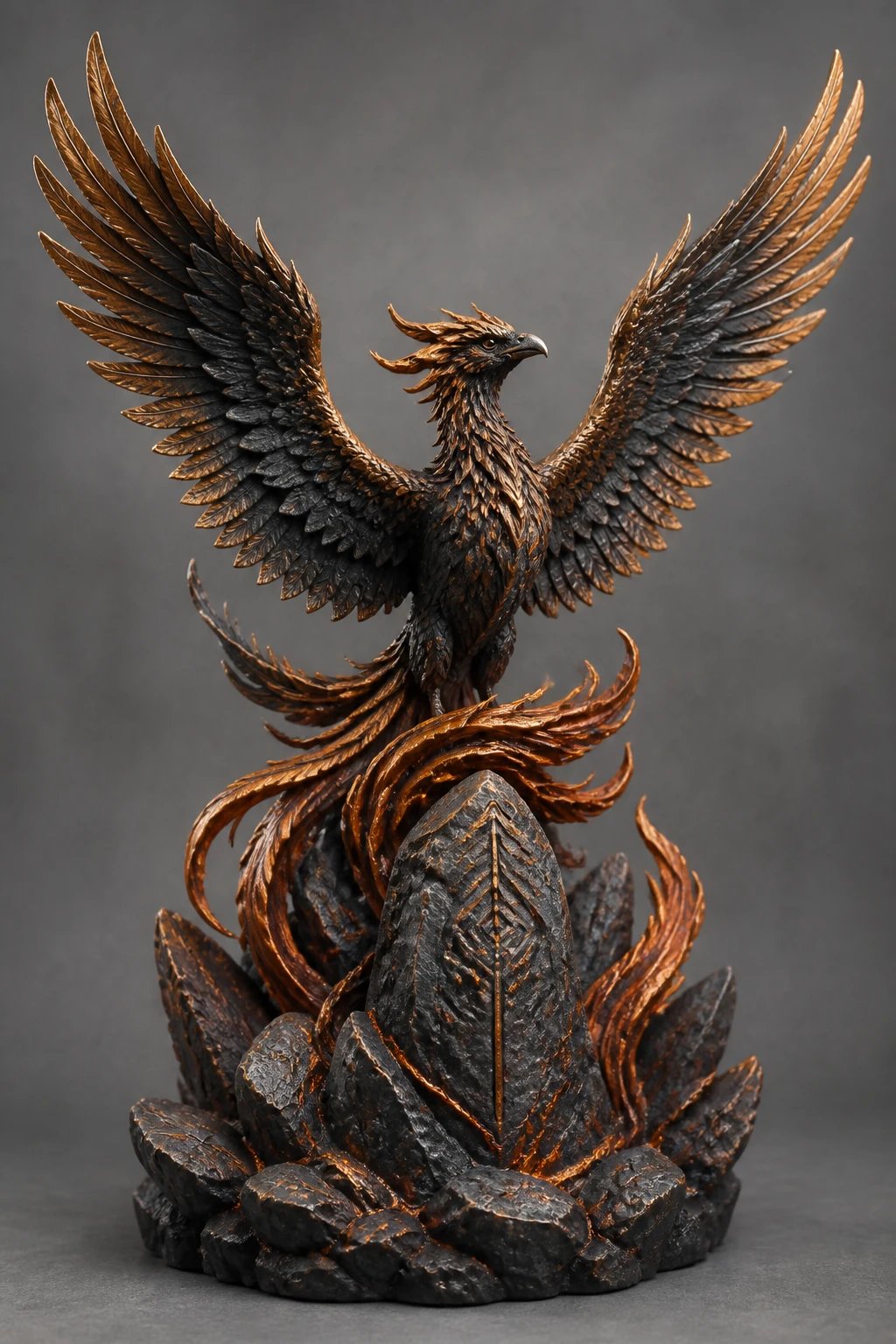
Draw on myths and legends to shape symbolic creatures or objects. A phoenix rising or a rune-stone figure can be incredibly dramatic.
Tips
- Keep the symbol clear and readable from a short distance
- Combine metallic paints with matte bases for contrast
Great for storytelling projects that require a touch of legend and fantasy.
18. Portrait Busts with Modern Flair
Scale down the traditional bust and infuse contemporary style with bold color choices and simplified features.
Materials
- Neutral base tones for skin
- Statement colors for hair and accessories
This merges classic technique with personal expression and is instantly display-worthy.
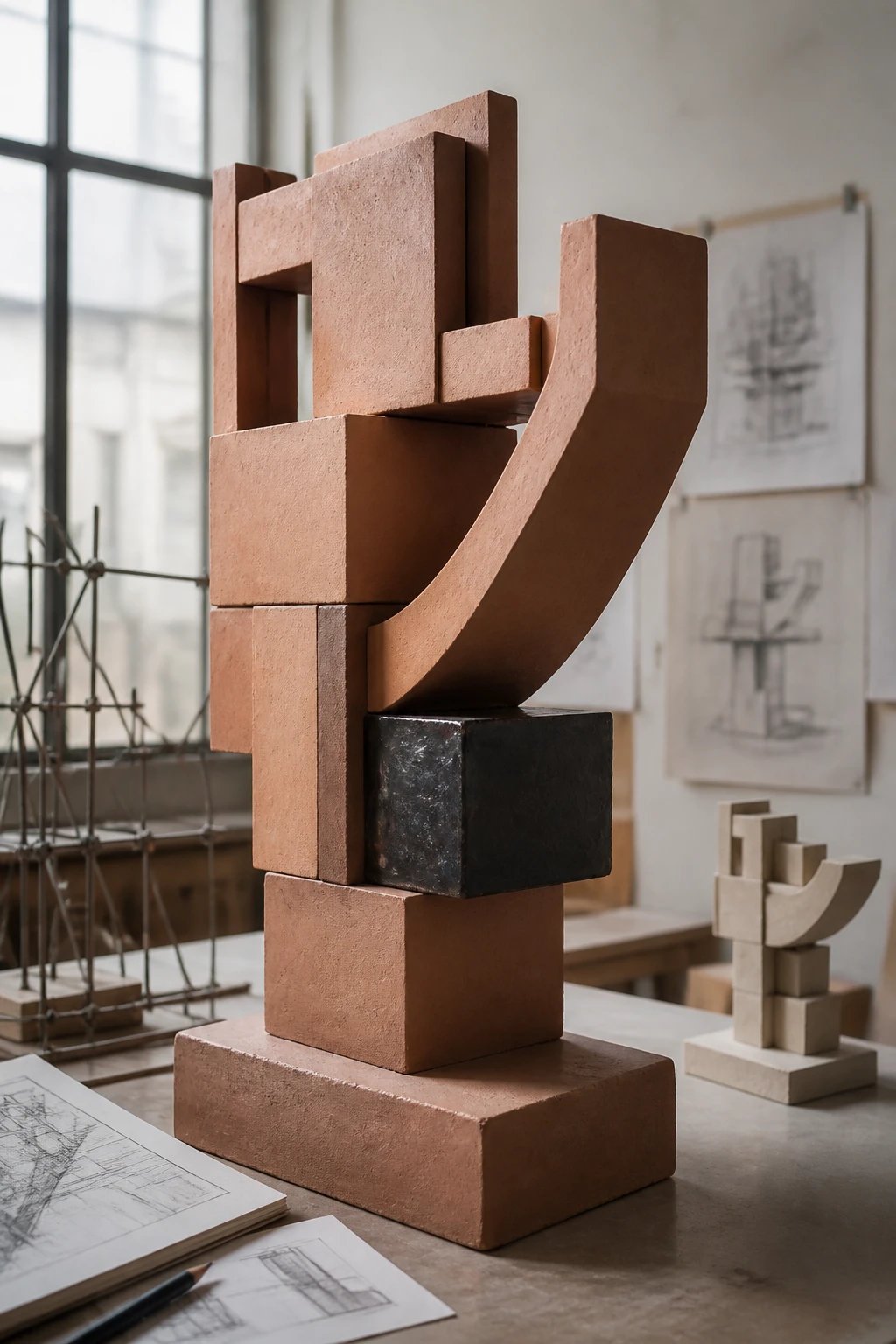
19. Structural Sculptures
Experiment with architecture-inspired forms, stacked blocks, and cantilevered curves. It’s all about balance and angles.
What to Consider
- Plan your support structure ahead of time
- Use contrasting hues or textures to highlight joints
These projects emphasize engineering thinking alongside artistry and wow teachers with your problem-solving chops.
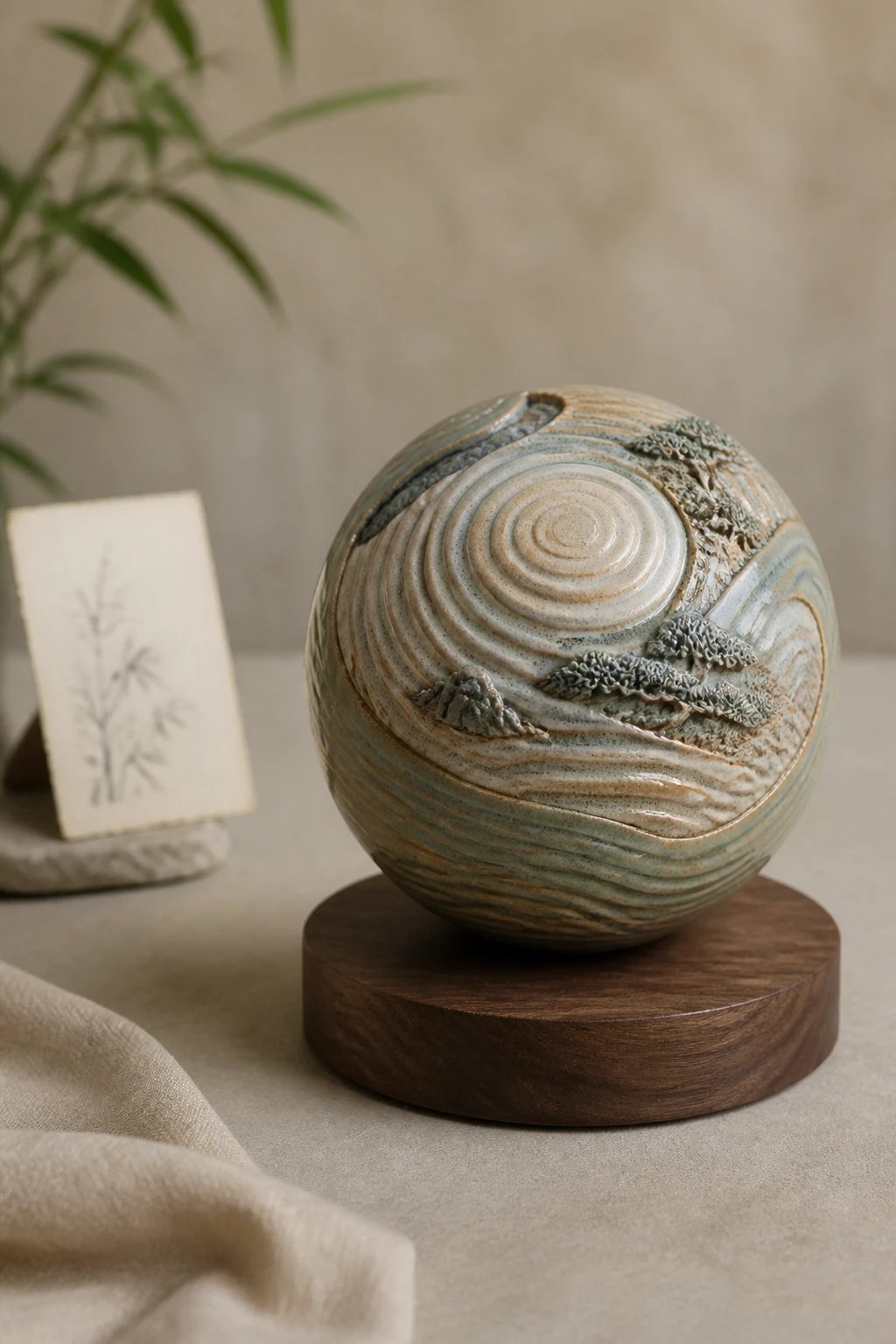
20. Zen Garden Orbs
Small spherical forms with engraved lines and mini-terrain textures create a meditative, elegant piece that feels sophisticated yet accessible.
Tips
- Flatten a dough ball to create a base
- Use a fine tool to carve concentric rings or patterns
Perfect for a quiet display that still showcases technique and patience.
Finishing touches matter, so take time to smooth edges, choose a consistent glaze, and label your pieces with a short artist statement. FYI, the better your glaze control, the more professional your display will look, trust me.
Now that you have twenty creative ideas, you can mix and match techniques, scale projects to fit timelines, and tailor them to your class theme. IMO these ideas are friendly enough for beginners but flexible enough to challenge your most ambitious instincts.
So grab your clay, pick a project, and start shaping. Your future self will thank you for taking the plunge and getting messy in the best possible way.
