
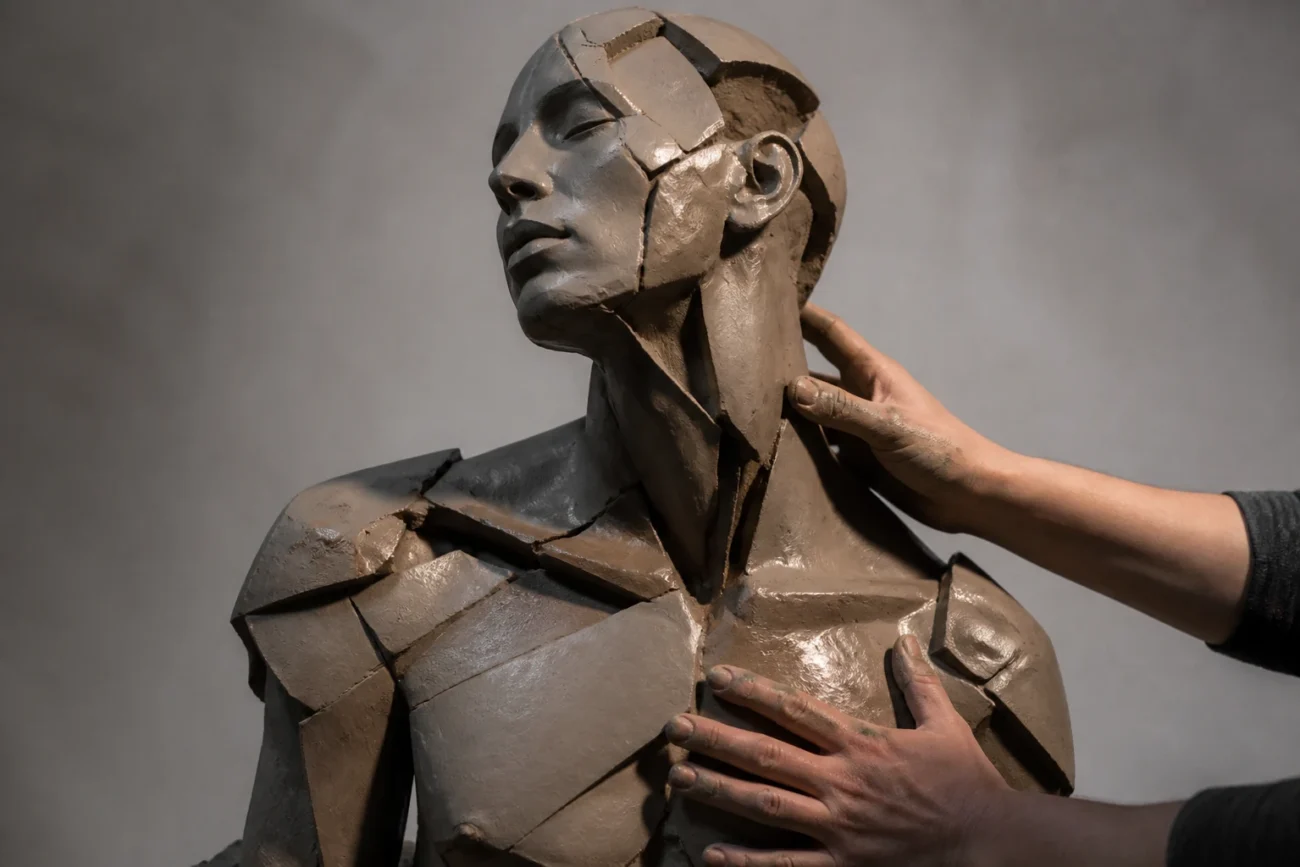
Ready to push clay beyond the usual and spark conversations that stick?
These ideas are your shortcut to bold, museum-grade vibes without needing a full studio setup
Grab some clay, a friend, and your wildest ideas — we’re about to sculpt magic
1. Layer Textures Like a Pro
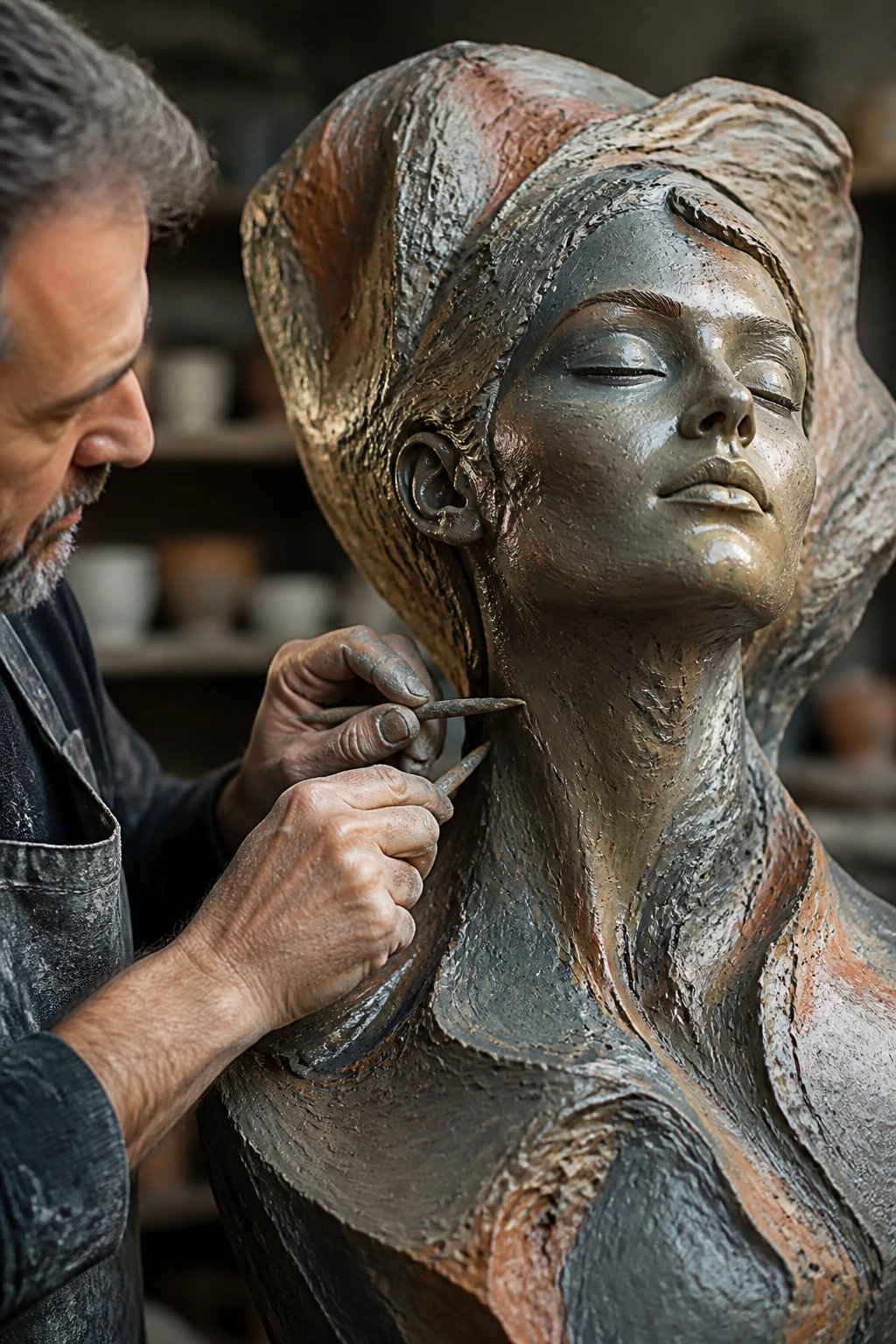
Texture is the secret sauce that turns plain clay into a story. By layering surfaces you catch light in surprising ways and add depth.
Key Points:
- Combine matte and glossy finishes for contrast
- Use tools to carve micro-halos and stipples
- Experiment with powdered pigments for subtle color shifts
This one is all about tactile invitation — your viewer should want to reach out and feel the story.
2. Break the Body Into Fragmented Planes

Split a figure into geometric planes that twist away from reality. It feels modern and deliberately imperfect.
Why it works: fragmentation hints at memory and emotion, not strict anatomy.
Try This:
- Sketch three to five planes before you touch clay
- Use a rib tool to flatten edges and create sharp joints
- Polish high points for a rain-soaked glow
Best for: pieces that tell a story about the self in fragments.
3. Mold Movement: Fluid Poses in Static Clay

Pose capture meets sculpture. Create a figure mid-motion that freezes a single breath or second of grace.
Why it’s compelling: energy feels tangible even in solid material.
Tips:
- Keep the torso elongated and the limbs slightly exaggerated
- Undercut joints to imply continuous motion
- Buzz a tiny fan nearby while you sculpt to simulate air
When to use: dynamic works for gallery walls or performance art synergy.
4. Merge Nature and Humanity in One Form
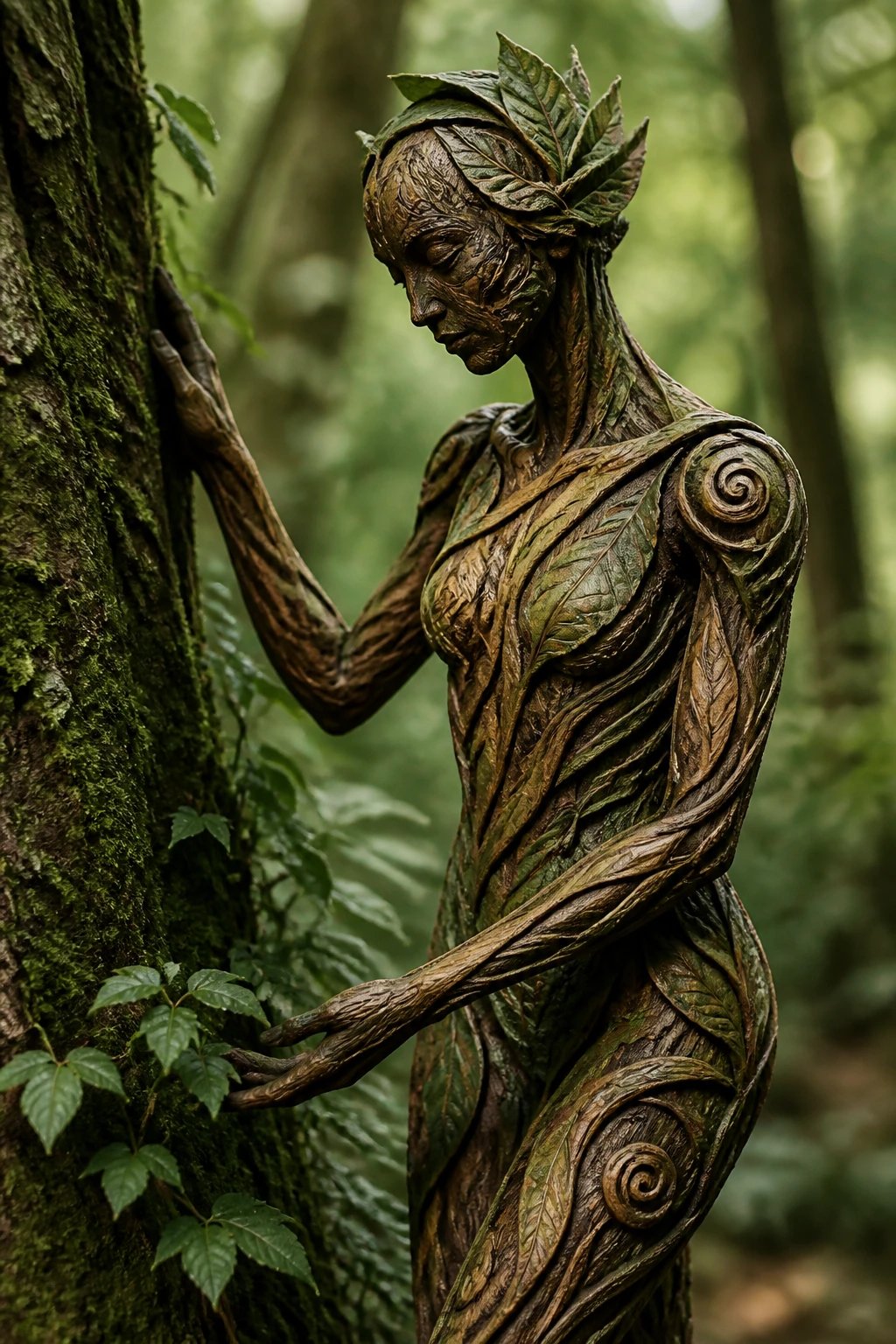
Blend organic shapes with human silhouettes to explore harmony or dissonance with the natural world.
Materials note: add coil textures to mimic bark or veins to mimic leaves.
Elements to Consider:
- Branch-like arms that taper into fingers
- Leaf-vein ridges curving along a spine
- Earth-toned glazes with matte finishes
Benefits: it invites environmental storytelling without shouting it out loud.
5. Create a Silhouette That Speaks Volumes
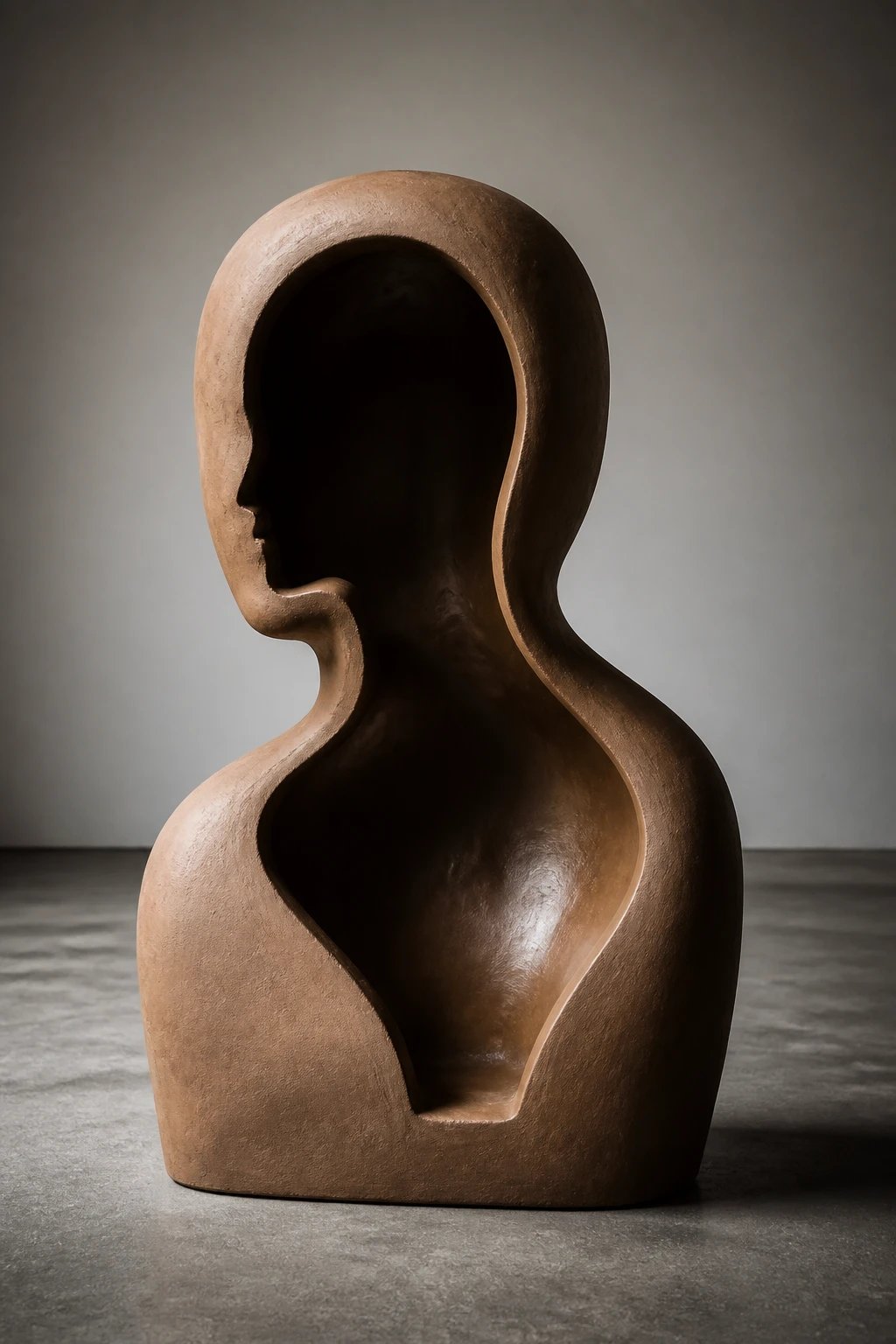
One strong, clean silhouette can carry a world of emotion. Let form do the talking with negative space as a partner.
Pro tip: carve a bold outline, then hollow the center for dramatic shadows.
What to Focus On:
- Solid core with a hollow high-contrast edge
- Silence within the shape — what is missing is part of the art
- Gloss the inner cavity to catch light differently
Application: great for minimalist exhibit cards and bold wall pieces.
6. Whisker Thin Rims and Exaggerated Joints
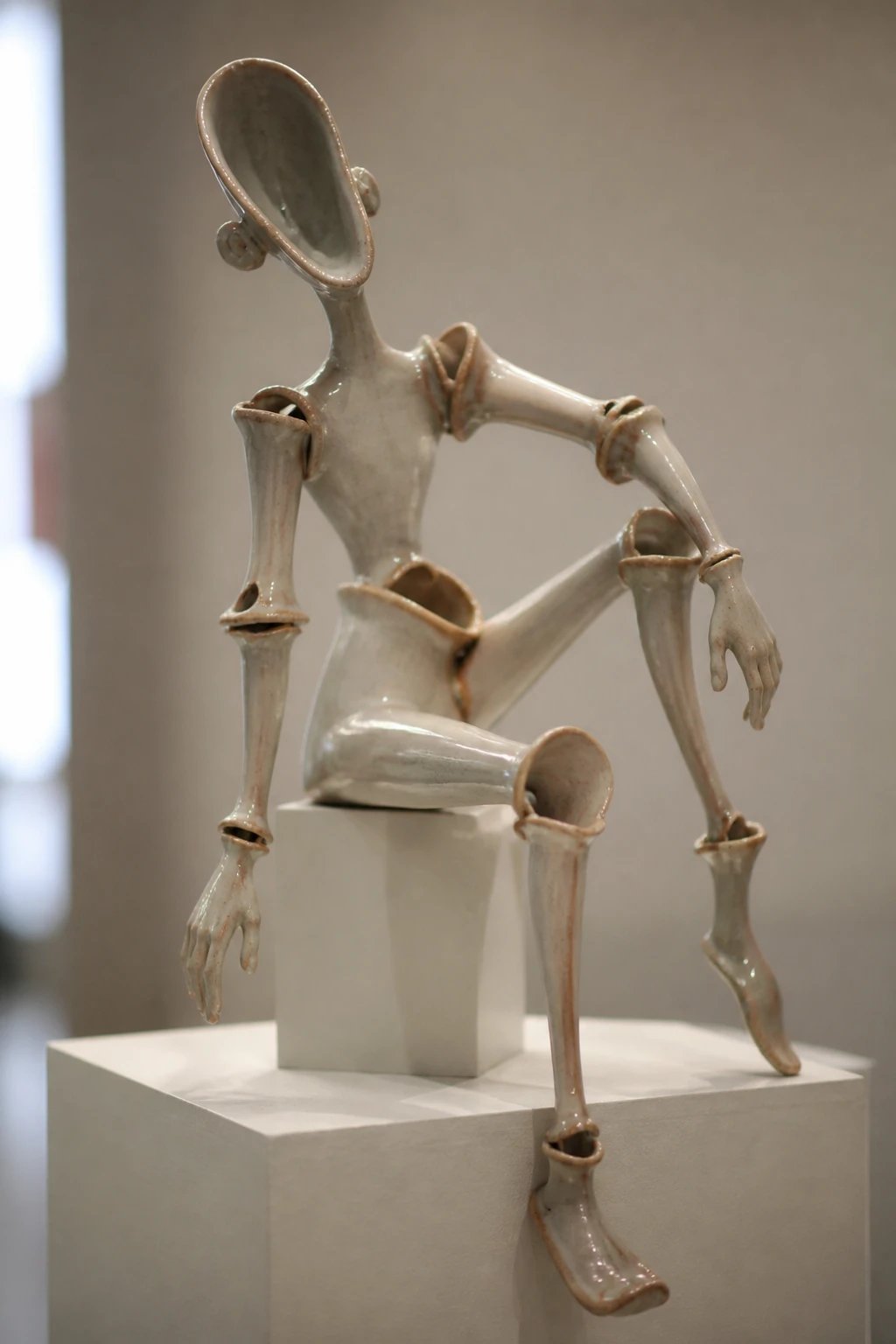
Delicate rims and oversized joints create a quirky, almost caricatured anatomy that still feels meaningful.
Why it stands out: it reads as playful but purposeful curiosity.
How to Achieve It:
- Roll out very thin coils for rims
- Make joints deliberately visible with clean lines
- Use a glaze that pools slightly on the rims for a halo effect
Best used for: pieces aimed at comics-meets-contemporary-art vibes.
7. Polished Faces with Hidden Stories
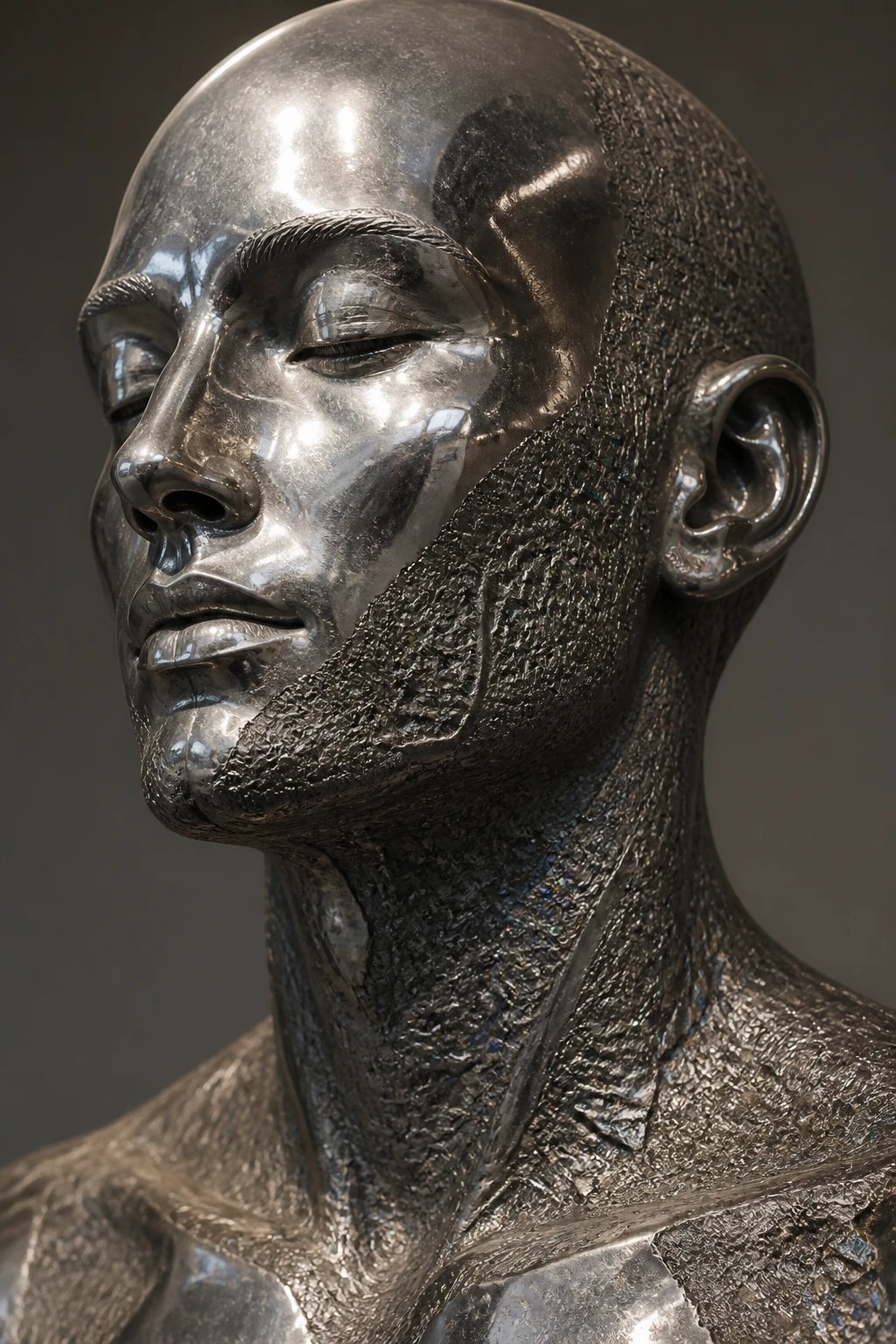
Beauty in a mask. Polish the face to a high sheen while leaving portions rough or carved with secret glyphs.
Why this works: tension between smooth and rough draws the eye like a magnet.
Tips:
- Engrave tiny symbols under the chin or around the jaw
- Use a soft brush to dust mica powder into crevices
Use case: intimate portraits or enigmatic sculptures in group shows.
8. Abstract Anatomy: The Heart as a Coil

Coil a heart shape into abstract anatomy that bleeds into the shoulders or spine. It’s a romance with structure.
Practical note: coil control matters — keep a consistent thickness to avoid cracking.
Key Points:
- Coil technique as a unifying motif
- Subtle color shifts along the contour
- Optional embedded metal leaf for pop
When to show this: galleries that love narrative sculpture with a dash of whimsy.
9. Echoes of the Self: Recursive Portraits
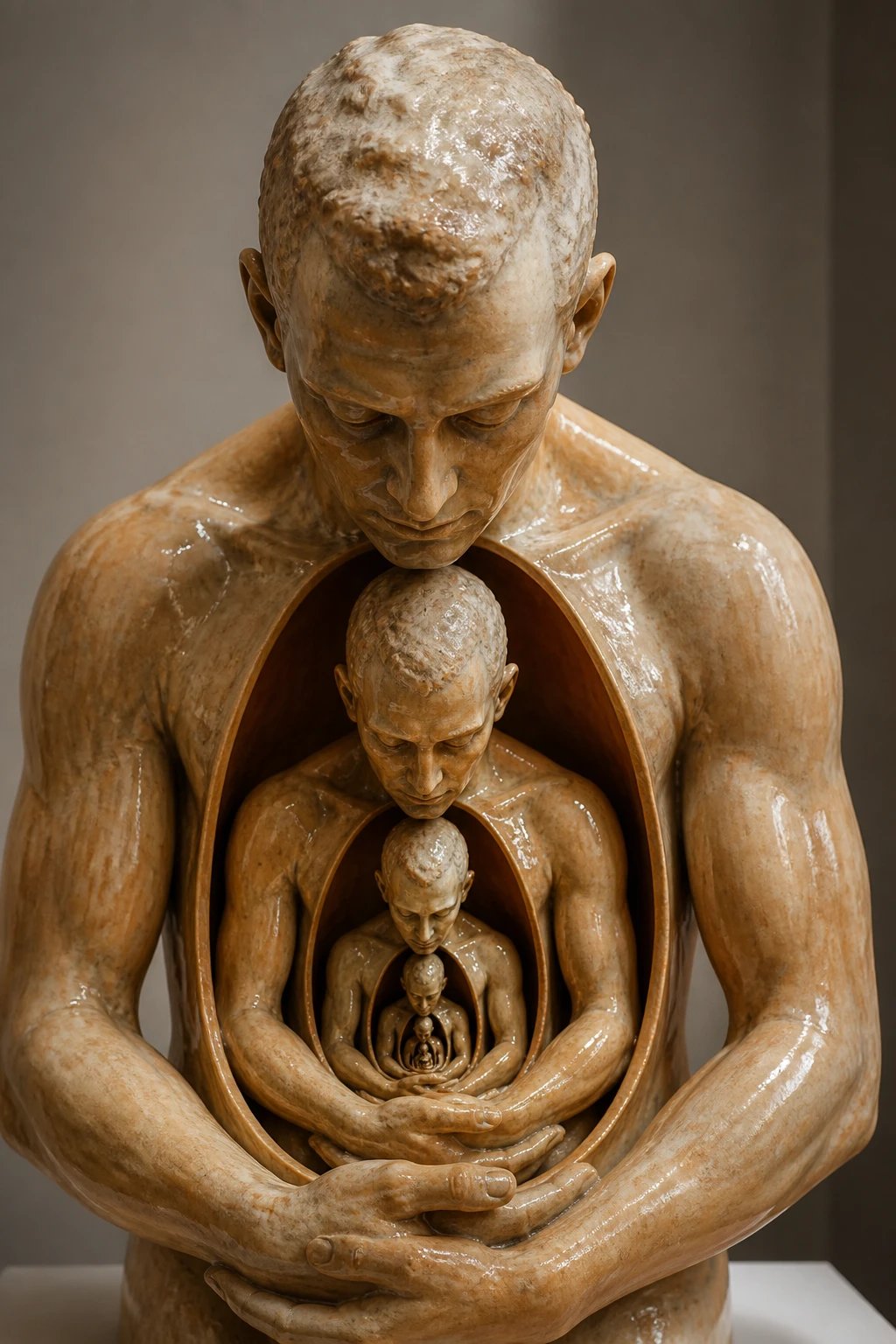
Create a figure holding a smaller version of itself or multiple faces nested within each other. It’s a mind-bender with warmth.
Reason to try: it invites viewers to reflect on identity and hierarchy of self.
Launch Steps:
- Start with a central torso and build outward
- Embed mini portraits in the hollow spaces
- Finish with a glaze that reads as glass in the light
Best for: introspective shows or intimate studio work.
10. The Weight of Time: Weathered Edges

Make the sculpture look like it aged gracefully. Scuffs, raised cracks, and patina evoke a lifetime of stories.
Why it clicks: imperfection signals character and durability.
Techniques:
- Scratch marks with a dull needle tool
- Layered glazes that settle into grooves
- Sand to reveal soft, aged edges
Application: stunning in mixed-media collections or outdoor installations (with proper sealing).
11. Interactive Illusions: A Figure That Enfolds Itself

Design a sculpture that appears to wrap around a viewer if placed at the right angle. Perspective becomes a playful instrument.
Engage curiosity: audience moves around it to see the change.
What to Build:
- Intersecting limbs that align at a single vantage point
- Hidden seams that disappear under gloss
Best timing: gallery openings and social media friendly installations.
12. Armor of Clay: Protective Silhouettes

Create a figure wearing an abstract clay armor shell with carved rivets and plates. It feels ceremonial and powerful.
Why it resonates: protection vs vulnerability is a timeless theme.
Materials:
- Rigid coils for armor plates
- Metallic underglazes to simulate metal
- Textured stamps for rivets
Use case: statement piece in a contemporary collection.
13. Sound and Silence: Sculptural Echoes

Embed subtle sound-making elements like hollow chambers or wind-chime inspires calm when viewers move around the sculpture.
FYI small audiences often lean in to listen; your piece becomes an experience.
Ideas to try:
- Carve hollow pockets that rattle softly on touch
- Attach lightweight metal rings that catch air
When to use: interactive rooms or acoustic-inspired installations.
14. Folded Night Sky: Celestial Motifs

Imprint star patterns or crescent shapes onto a reclining figure for a dreamlike vibe. It fuses the cosmic with the corporeal.
How to achieve it: press tiny stamps after partial drying to preserve crisp edges.
Elements to Include:
- Glow-in-the-dark accents under UV light
- Subtle blue undertone glaze
- Raised constellations along the spine
Ideal for: bedrooms, studios, or dreamy gallery corners.
15. Fragments of Memory: A Broken Whole
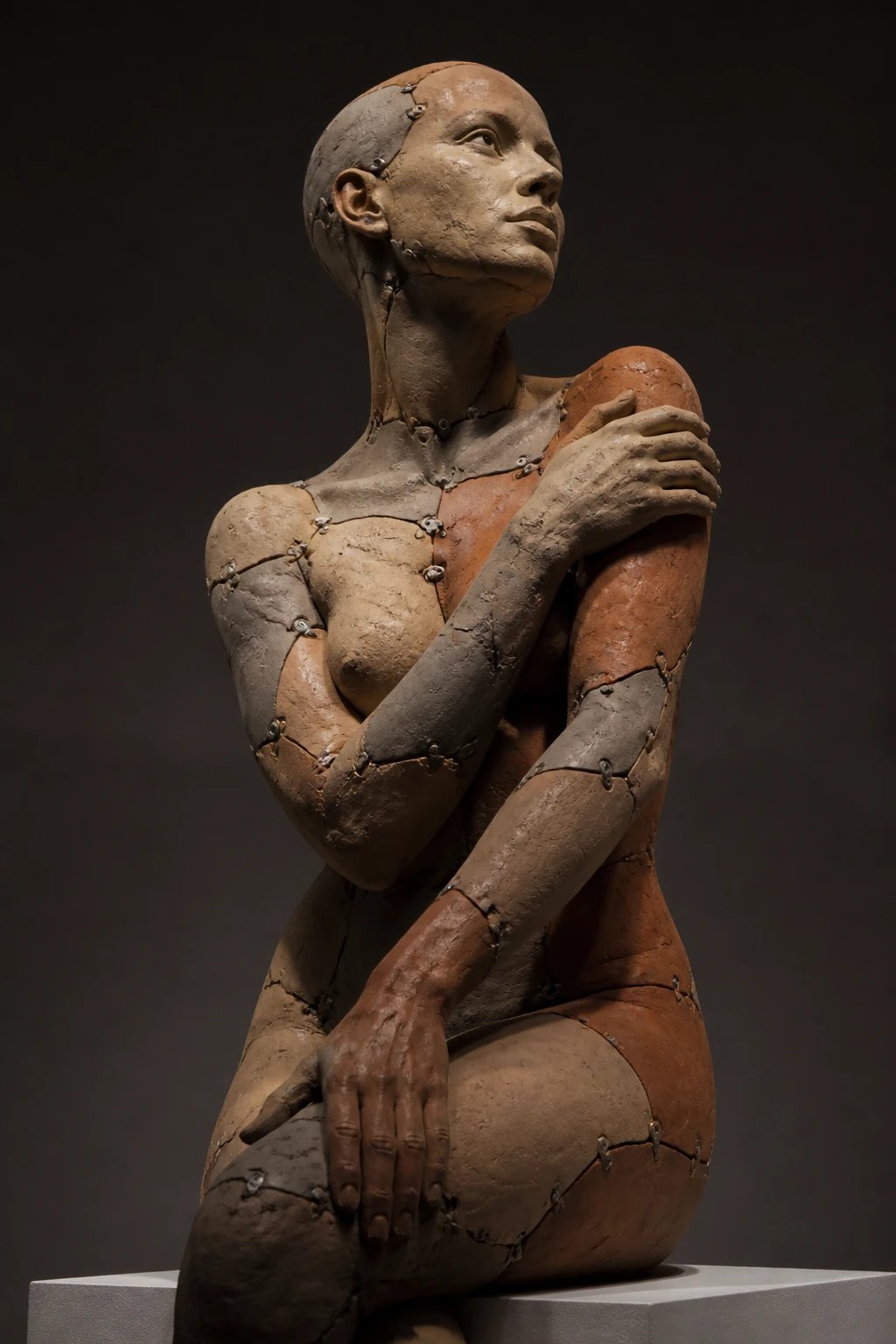
Compose a sculpture that appears to be a whole figure but deliberately features broken segments reassembled with visible seams.
Why it hits: memory, trauma, and resilience are universal themes.
Implementation:
- Assembly with visible bolt-like joints for character
- Different clay shades per fragment for narrative depth
Use: powerful gallery piece with strong storytelling potential.
16. Veiled Totems: Minimal Forms with Hidden Depths
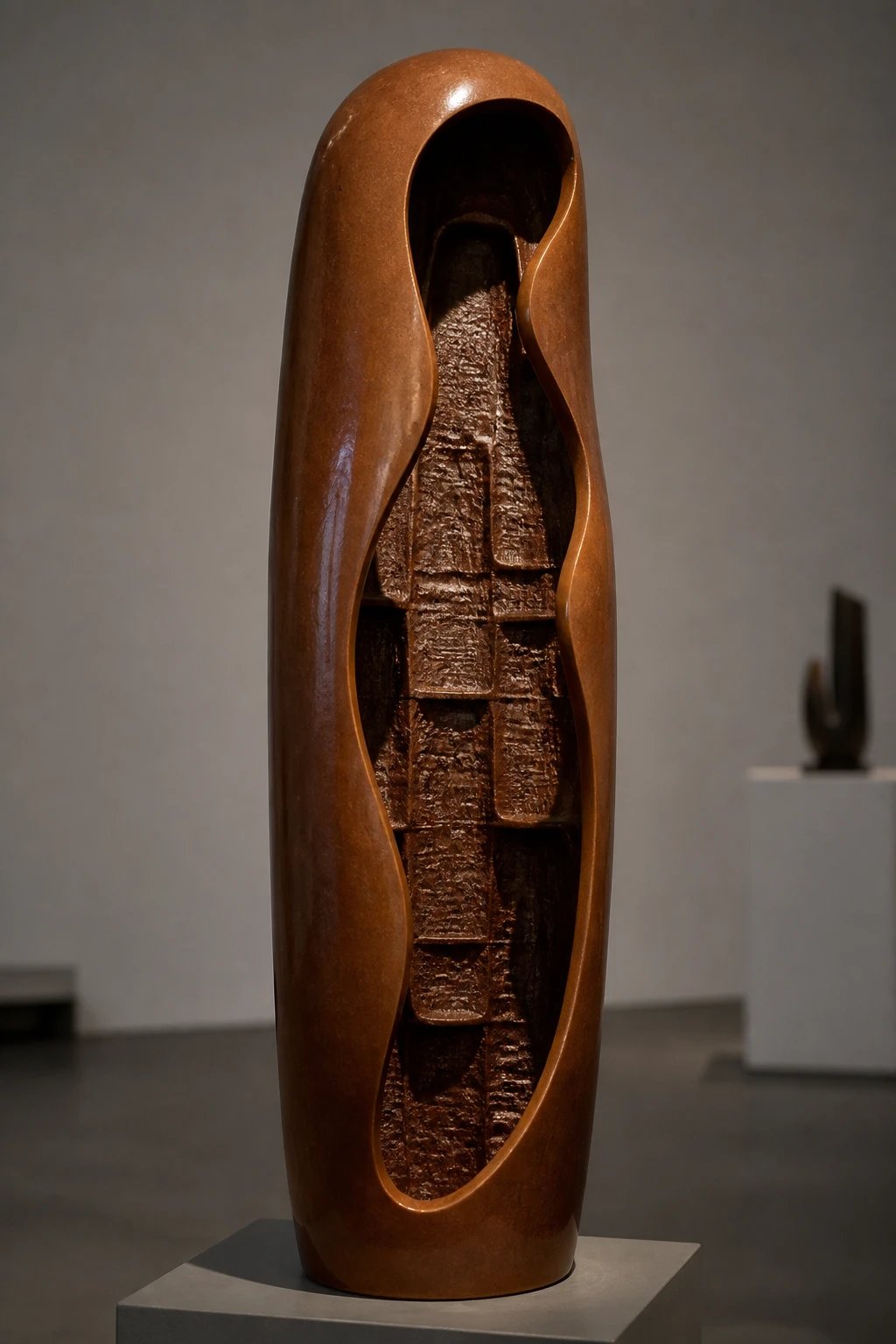
Simplify to a near-abstract silhouette and hide a dense internal texture visible only up close. Mystery sells curiosity.
How to fake depth: sculpt a shallow outer shell and a deeply textured interior shell.
Tips:
- Two-layer approach with negative space
- Gloss on the outer shell, matte on the inner textures for contrast
Best for: contemplative spaces and quiet showcases.
17. The Socketed Pose: Hands Interlaced in Space

Place hands in an unusual interlock that defies typical anatomy. The pose creates an optical puzzle.
Why this works: tension and anticipation draw eyes around the work.
Key Points:
- Exaggerate finger lengths slightly for drama
- Make the wrists appear as if floating by carving shallow pockets
When to use: bold, narrative-driven pieces or solo showpieces.
18. Kaleidoscope of Faces: Multiple Expressions in One

Cast a single portrait with several micro-portraits peeking from behind layers or within hollow sections. It’s a study in emotion.
Tip: vary the glaze to emphasize each expression without overpowering the whole piece.
What to Include:
- Different lip shapes, eye apertures, and brow lines
- Subtle color shifts to separate expressions
Outcome: a crowd-pleasing piece that invites discussion about identity.
19. The Quiet Monument: Monolithic Yet Gentle
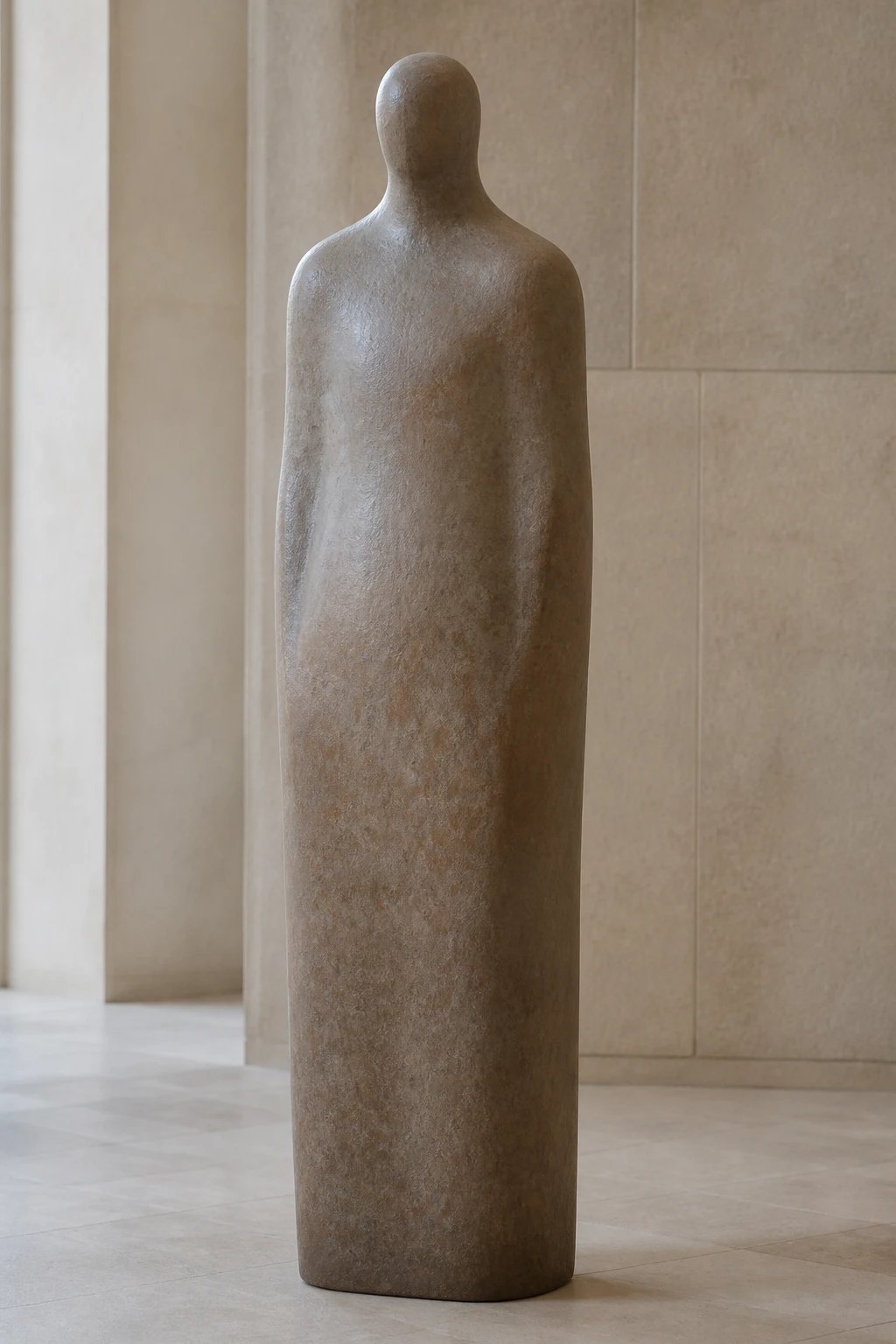
Finish with a tall, single-block sculpture that feels timeless and serene. Simplicity can be monumental.
Why it lands: less is more, especially when the form speaks clearly on its own.
Final Touches:
- Edge-smoothing to create a soft halo
- Low-gloss glaze to keep the surface tactile without glare
Ideal for: public art, foyers, or meditation spaces where calm speaks volumes.
Conclusion: You’ve just built a toolkit of 19 human abstract clay sculpture ideas that blend emotion, form, and a little rebellion. FYI, the real magic happens when you mix and remix these concepts in your studio — so go ahead and experiment. Trust me, your future self will thank you for the bold choices you make today
